




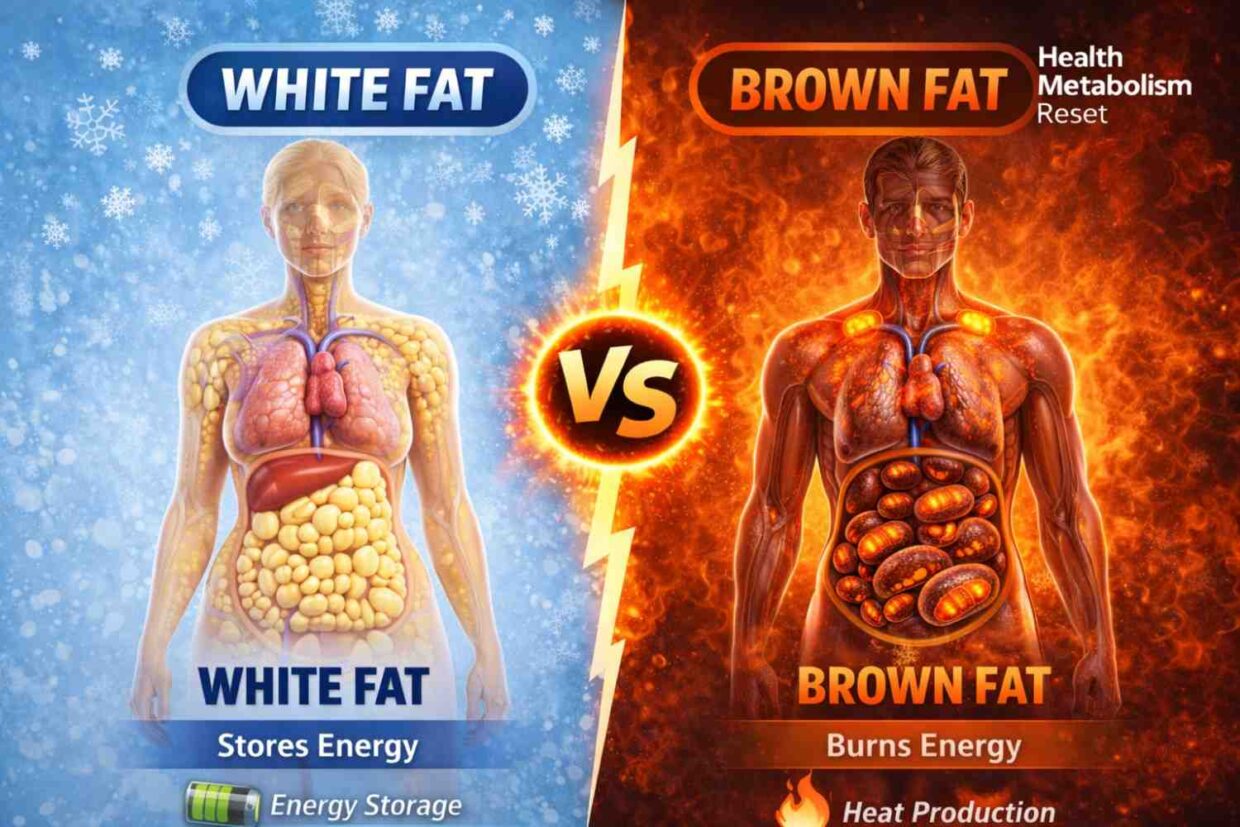
Most people think of body fat as just extra weight stored in the body. But scientifically, not all fat is the same. The human body contains different types of fat, and two of the most important are white fat vs brown fat. These types of fat store energy differently, behave differently, and also affect metabolism in different ways (Harvard Health).
Understanding the difference between white fat and brown fat helps explain why some people gain weight more easily, why some people burn energy faster, and how the body maintains temperature and fuel balance.
How White Fat Works Inside the Body
White fat — also known as white adipose tissue (WAT) — is the primary fat storage system of the body. When we eat more calories than the body needs, excess energy is stored in these white fat cells. These cells expand and shrink depending on how much energy they hold (NIH).
White fat is also biologically active. It releases hormones such as leptin, which helps signal fullness to the brain, and adiponectin, which plays a role in blood sugar and fat metabolism. This means white fat is not just “stored weight,” it is also a functioning endocrine tissue.
White fat is found under the skin (subcutaneous fat) and around internal organs (visceral fat). Visceral fat is the type more strongly linked with health risks when it becomes excessive.
Main Functions of White Fat
- Stores excess energy as calories
- Insulates the body to maintain temperature
- Cushions and protects internal organs
- Releases hormones that influence hunger and metabolism
White fat cells store energy in large fat droplets, which is why excess white fat is associated with weight gain and obesity.
Where White Fat Is Found
- Belly (abdominal fat)
- Thighs
- Hips
- Arms
- Lower back
Too much white fat—especially visceral fat around organs—is linked to insulin resistance, slow metabolism, heart disease, and inflammation.
How Brown Fat Burns Energy
Brown fat — also called brown adipose tissue (BAT) — behaves differently from white fat. Instead of storing energy, it burns energy to generate heat, especially in cold conditions. This heat-producing process is known as non-shivering thermogenesis (Journal of Clinical Investigation).
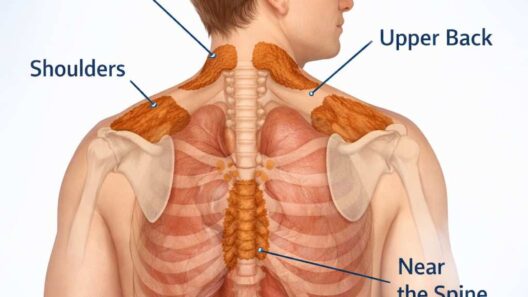
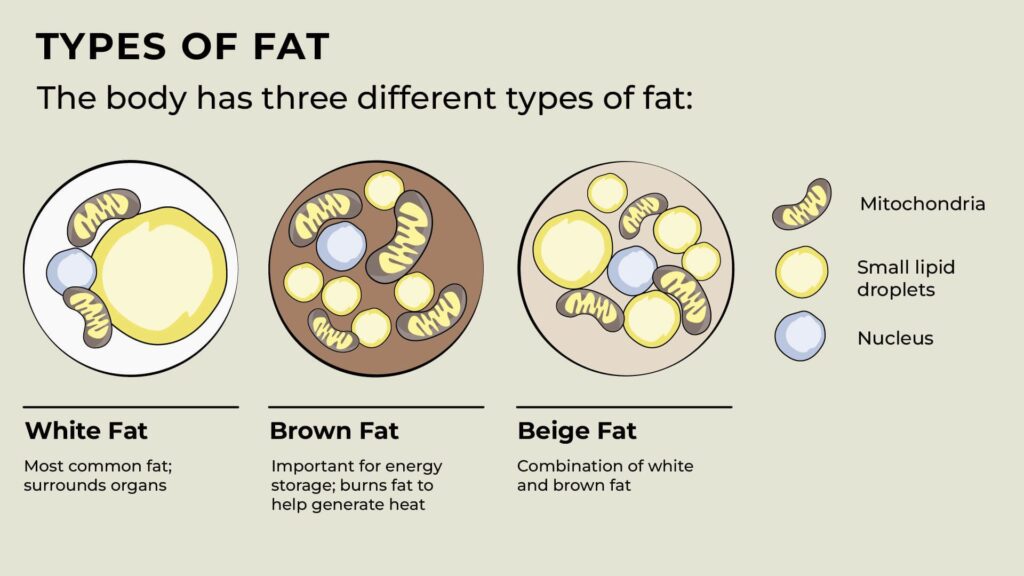
Brown fat cells contain many mitochondria — the “power plants” of cells — which give brown fat its darker color. These mitochondria convert stored energy into heat rather than storing it as body fat. Babies have more brown fat because it helps them stay warm. Adults still retain smaller deposits — mainly in the neck, shoulders and upper back.
Main Functions of Brown Fat
- Burns energy to produce heat (thermogenesis)
- Helps regulate body temperature
- Supports a faster metabolism
- Improves glucose and fat metabolism
Brown fat cells contain many mitochondria, which give them their dark brown color and allow them to burn calories efficiently.
Where Brown Fat Is Found
- Neck
- Upper back
- Shoulders
- Along the spine
Adults have less brown fat than infants, but even small amounts can significantly impact metabolic rate.
Read More: How to activate brown fat naturally
White Fat vs Brown Fat: Key Differences
| Feature | White Fat | Brown Fat |
|---|---|---|
| Primary role | Stores energy | Burns energy |
| Cell structure | One large fat droplet | Many small droplets |
| Mitochondria | Low | Very high |
| Effect on metabolism | Slows metabolism | Speeds up metabolism |
| Associated with obesity | Yes | No |
| Calorie burning | Minimal | High |
Beige Fat — The In-Between Type
Researchers have also identified beige fat, which forms when some white fat cells begin acting more like brown fat cells. This can happen under certain conditions, including regular exposure to mildly cold temperatures or through physical activity (Harvard Health).
Beige fat is interesting because it shows that fat tissue is dynamic — it can adapt and change depending on the body’s needs.
How Brown Fat Influences Metabolism
Because brown fat burns calories to create heat, it contributes to total daily energy expenditure. People with more active brown fat may burn slightly more calories at rest. However, this effect is generally modest and varies from person to person (NIH).
So while brown fat does support metabolism, it is not a guaranteed or dramatic weight-loss factor by itself. Diet, physical activity, sleep, stress and hormones still remain the biggest influences on body weight.
👉 For related signs, read:
Signs of High Metabolism
White Fat vs Brown Fat — Key Differences
The main difference is:
White fat stores energy.
Brown fat burns energy.
White fat acts more like a storage bank. Brown fat acts more like a tiny internal heater. Because brown fat burns calories, researchers are studying ways to safely activate it — but this is still an emerging area of study.
There is also a third type called “beige fat,” which behaves somewhere in between white and brown fat. Under certain conditions — such as exposure to cold — some white fat cells may begin acting more like brown fat cells (Harvard Health).
Learn more about metabolism types here:
Fast vs Slow Metabolism
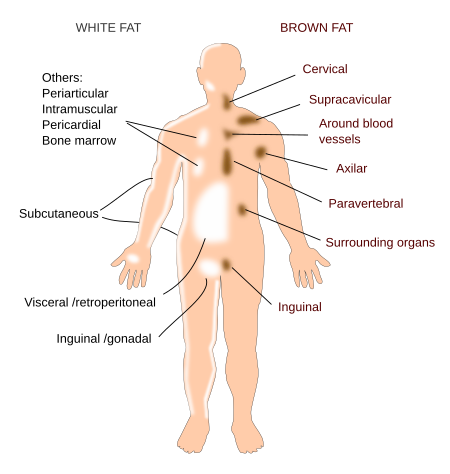
Where White Fat and Brown Fat Are Stored
White fat is widely distributed — in the abdomen, hips, thighs, buttocks and under the skin. It also exists internally around organs. Brown fat is much more limited and is usually found:
• around the neck
• near the collarbone
• along the spine
• in the upper back
These areas are close to important structures where heat production is useful.
Does Age Affect Fat Type?
Yes — brown fat activity tends to decrease with age. Younger people often have slightly more active brown fat compared to older adults (NIH). Body composition, genetics and environment also play roles.
This may be one reason metabolism sometimes slows with age, although the relationship is complex and not the only factor.
White Fat, Brown Fat & Belly Fat
Most belly fat is white fat, which is metabolically inactive and harder to burn.
Excess belly fat is associated with:
- Hormonal imbalance
- Slower metabolism
- Increased inflammation
Improving metabolic health focuses on reducing excess white fat while activating brown fat through lifestyle changes.
Lifestyle Factors and Brown Fat Activity
Research suggests that certain lifestyle habits may support brown fat function. For example, spending time in cooler environments may help activate brown fat, and regular physical activity may support beige fat development. However, extreme cold exposure or risky methods are not recommended without medical guidance.
Balanced nutrition, sleep and stress regulation also support overall metabolic health — which indirectly supports healthy fat function.
Health Risks Linked More to White Fat (When Excessive)
White fat itself is not bad — it is essential for survival. But excess white fat, especially visceral fat, is linked with higher metabolic and cardiovascular risk because it can disrupt hormone balance and inflammation pathways (NIH).
Brown fat, by comparison, is usually considered metabolically protective, although it exists in small amounts.
How to Support Healthy Fat Balance Naturally
You can’t completely control fat type, but you can influence fat activity.
Natural Ways to Support Brown Fat Activity
- Exercise regularly (especially strength training)
- Avoid extreme calorie restriction
- Get quality sleep
- Stay physically active throughout the day
- Manage stress levels
These habits also help improve overall metabolism.
👉 Read the complete guide:
Metabolism Explained
White Fat vs Brown Fat — Simple Summary
If we simplify everything:
White fat = energy storage
Brown fat = energy burning (heat production)
Both are natural and necessary. Problems arise mainly when white fat becomes excessive.
Can You Increase Brown Fat Naturally?
Researchers are still studying this, but some factors that may support brown fat activity include:
• mild cold exposure (like cooler environments)
• regular physical activity
• healthy sleep patterns
However, there is currently no guaranteed or approved method to dramatically increase brown fat safely. Any extreme cold-exposure trends should be discussed with a healthcare professional first.
Can White Fat Turn Into Brown Fat?
Yes—this process is called fat browning or beige fat formation.
Under certain conditions, white fat cells can start behaving like brown fat cells by increasing mitochondrial activity.
Factors That Promote Fat Browning
- Cold exposure
- Regular exercise
- Strength training
- Adequate sleep
- Balanced protein intake
This conversion helps improve metabolic efficiency and supports long-term weight management.
Brown Fat and Weight Loss: Is It Important?
Brown fat does not cause dramatic overnight weight loss, but it plays a supportive role in healthy fat loss.
Benefits include:
- Increased daily calorie burn
- Improved insulin sensitivity
- Better regulation of body temperature
- Enhanced fat oxidation
This is why people with a fast metabolism often struggle less with weight gain.
Final Thoughts
Understanding white fat vs brown fat shows that body fat is much more complex than it appears. Brown fat helps protect the body by producing heat and burning some energy, while white fat stores fuel and supports hormone balance. A healthy lifestyle — including movement, balanced nutrition and good sleep — helps support both fat types in the most beneficial way.
Is brown fat good for weight loss?
Yes. Brown fat helps burn calories and may support metabolism. While it won’t cause major weight loss alone, activating brown fat through cold exposure and activity may slightly increase calorie burn.
Can white fat turn into brown fat?
Some white fat can convert into “beige fat,” which acts like brown fat and burns energy. This may happen with regular exercise, cold exposure, and healthy lifestyle habits.
Where is brown fat found in the body?
Brown fat is mainly located around the neck, shoulders, upper back, and along the spine. Babies have more brown fat, while adults have smaller amounts.
Why does the body need white fat?
White fat stores energy, protects organs, and supports hormones. However, too much white fat, especially around the abdomen, may increase the risk of metabolic diseases.
You May Also Like Reading
Fast Metabolism — Symptoms & Benefits
https://healthmetabolismreset.com/fast-metabolism-symptoms-benefits/
Hormones That Affect Metabolism
https://healthmetabolismreset.com/hormones-that-affect-metabolism/
Is Fast Metabolism Good?
https://healthmetabolismreset.com/is-fast-metabolism-good/
Slow Metabolism Explained
https://healthmetabolismreset.com/slow-metabolism/
Medical Disclaimer
This content is for educational purposes only and should not be used as medical advice. Always consult a healthcare professional for personalized guidance.
Sources
- Harvard Health — Types of Body Fat (White vs Brown Fat Explained) :-https://www.health.harvard.edu/staying-healthy/what-are-the-different-types-of-body-fat
- Harvard Medical School — How Brown Fat Burns Energy:- https://hms.harvard.edu/news/how-brown-fat-burns-energy
- NIH Research — Origins and Role of Brown Fat:- https://www.nih.gov/news-events/nih-research-matters/uncovering-origins-brown-fat
- PubMed / National Library of Medicine — Brown Fat and Thermogenesis:- https://pmc.ncbi.nlm.nih.gov/articles/PMC7330484
- Journal of Clinical Investigation — Cold Exposure Activates Brown Fat and Increases Energy Expenditure:- https://www.jci.org/articles/view/68993

Robert Harisson
ISSA Certified Personal Trainer | Nutrition Specialist (Cornell University)
Robert Harrison is an ISSA-certified personal trainer and a nutrition graduate from Cornell University. With over five years of fitness coaching and two years of health-blog writing, he specializes in metabolism, women’s health, weight management, and natural wellness. Robert creates simple, science-backed content that helps readers make safe and informed decisions. His work reflects strong E-E-A-T principles, combining real-world coaching experience with evidence-based nutrition knowledge.