






As someone who has researched metabolism extensively, I’ve observed that many people misunderstand what a slow metabolism really means. Based on insights and research shared on Health Metabolism Reset, metabolic rate is influenced by a variety of factors that go beyond simple calorie counting.
A slow metabolism is often blamed for weight gain, low energy, and difficulty losing fat, but the reality is more nuanced. Metabolism refers to how the body converts food into energy to support vital functions such as breathing, circulation, and cellular repair (NIH, Mayo Clinic). When this process operates at a lower rate, the body uses fewer calories at rest, which can influence weight management and overall energy levels (Harvard Health).
Understanding what a slow metabolism truly means, why it happens, and how it can be improved safely is essential for long-term health. Rather than being a fixed condition, metabolic rate is influenced by a combination of biological, hormonal, and lifestyle factors that can often be addressed through evidence-based approaches (NIH, Mayo Clinic).
READ MORE: METABOLISM GUIDE
What Is a Slow Metabolism?
A slow metabolism, also called low metabolism, refers to a lower rate at which the body burns energy to maintain basic physiological functions. This rate is commonly measured as resting metabolic rate (RMR) or basal metabolic rate (BMR), which represents the number of calories the body needs at rest to support essential processes. When this rate is lower, fewer calories are burned throughout the day, even without changes in food intake or activity levels.
It is important to clarify that a slow metabolism does not mean the body is malfunctioning. In many cases, it reflects natural variations influenced by body composition, age, and hormonal balance. However, when combined with modern sedentary lifestyles and calorie-dense diets, a low metabolism rate can contribute to gradual weight gain and reduced energy over time.
Symptoms of Slow Metabolism
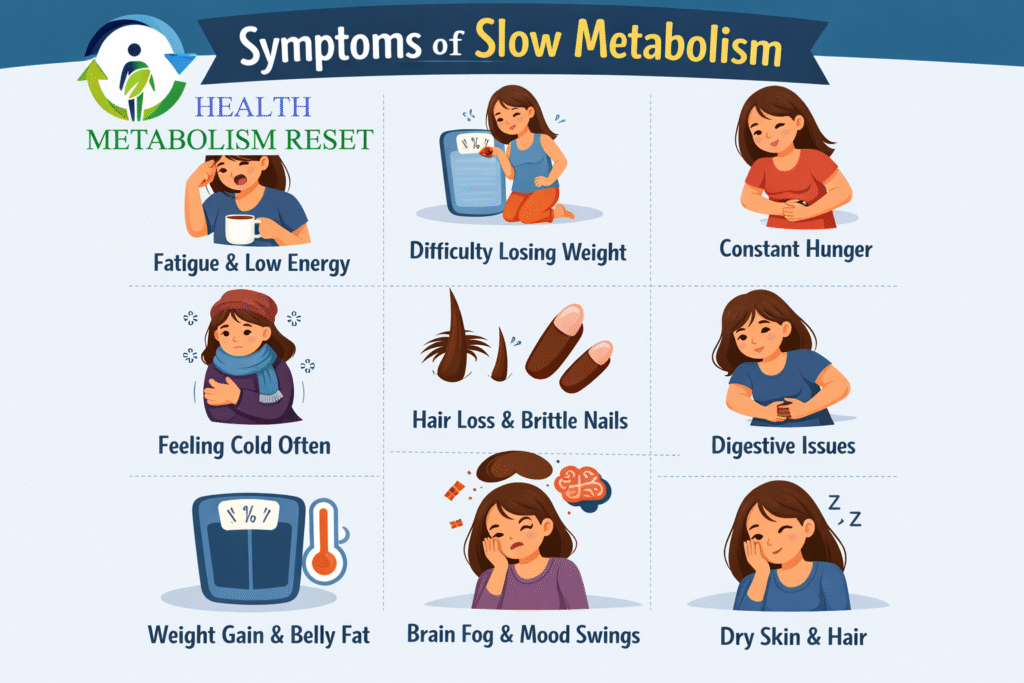
A slow metabolism can manifest in several noticeable ways, often developing gradually over time. Recognizing these symptoms helps differentiate between normal fatigue and metabolic concerns. While these signs are common, they do not replace medical evaluation if persistent or severe.
Fatigue:
Individuals with a slow metabolism often feel tired even after adequate sleep. This happens because the body is producing energy at a slower rate, making daily activities feel more exhausting. Over time, persistent fatigue can affect productivity, motivation, and overall quality of life.
Low Energy Levels:
A lower metabolic rate means the body burns fewer calories to maintain basic functions, leaving less energy available for physical and mental tasks. People may notice difficulty sustaining activity, reduced stamina during exercise, or a general sense of sluggishness throughout the day.
Unexplained Weight Gain:
Slow metabolism can make weight management more challenging. Even when caloric intake is moderate, the body may store more energy as fat, leading to gradual weight gain. This is often most noticeable around the abdomen, hips, and thighs.
Cold Sensitivity:
Reduced metabolic activity can result in decreased heat production. Individuals with low metabolism may feel unusually cold, have cold hands and feet, or experience a preference for warmer environments.
Digestive Sluggishness:
A slower metabolism can affect the digestive system, leading to slower food processing and occasional constipation. This occurs because lower energy use can reduce gut motility and enzymatic activity.
Hair, Skin, and Nail Changes:
Metabolic slowdown, especially when influenced by hormonal or thyroid issues, may result in hair thinning, dry skin, and brittle nails. These changes are subtle but can indicate underlying metabolic concerns.
Difficulty Losing Fat:
People with slow metabolism often notice that fat loss occurs more slowly, even with diet and exercise. This does not mean weight loss is impossible, but a structured approach emphasizing nutrition, resistance training, and lifestyle adjustments is required.
Causes of Slow Metabolism
Slow metabolism can result from a combination of biological, hormonal, and lifestyle factors. Understanding these causes helps identify practical ways to support metabolic health and make informed lifestyle choices (NIH).
Age:
As people age, metabolism naturally slows due to gradual loss of lean muscle mass and reduced physical activity. This decrease in muscle tissue lowers daily energy expenditure, making weight management more challenging over time.
Hormonal Imbalances:
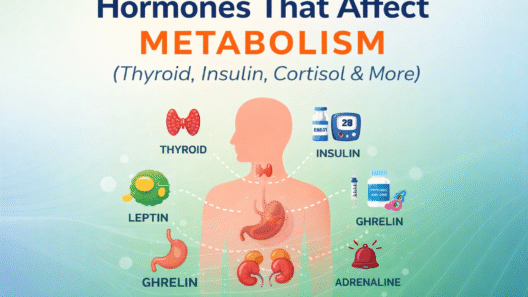
Thyroid hormones are critical for regulating metabolic rate. Conditions such as hypothyroidism or imbalances in insulin, cortisol, or sex hormones can reduce metabolism and affect energy utilization throughout the body.
Genetics:
Individual metabolic rates are partly determined by genetics. Some people naturally burn calories more slowly, while others may have a faster baseline metabolism. Genetic predispositions can influence fat storage, energy expenditure, and how the body responds to diet and exercise.
Low Muscle Mass:
Muscle tissue requires more energy to maintain than fat tissue. Individuals with lower lean body mass often have a slower resting metabolism, which can make weight loss or fat maintenance more difficult.
Sedentary Lifestyle:
Physical inactivity reduces total daily energy expenditure. Extended periods of sitting or minimal movement can slow metabolism over time, even if caloric intake is moderate.
Poor Nutrition:
Consuming very low-calorie diets, skipping meals, or lacking essential nutrients can trigger the body to conserve energy. This adaptive response lowers metabolism, reduces muscle mass, and can make weight management harder.
Chronic Stress:
Elevated cortisol from prolonged stress can interfere with metabolic function. Stress can promote fat storage, reduce energy efficiency, and even affect appetite regulation, contributing to a slower metabolism.
Sleep Deprivation:
Insufficient or poor-quality sleep disrupts hormonal balance and energy regulation. Lack of sleep can reduce resting metabolic rate and impair the body’s ability to process nutrients efficiently.
Slow Metabolism vs Normal Metabolism Rate
| Feature | Slow Metabolism | Normal Metabolism Rate |
|---|---|---|
| Definition | A metabolism that burns fewer calories at rest than average, often influenced by hormonal or metabolic conditions. | A metabolism that efficiently converts food into energy, varying naturally based on body composition, genetics, and lifestyle. |
| Energy Expenditure | Lower resting and daily energy use, making weight management more challenging. | Energy expenditure aligns with body size, activity level, and muscle mass; calories burned match energy needs. |
| Identification | Often detected through clinical testing or if unexplained fatigue, weight gain, or low energy occurs. | Usually inferred from daily activity and body composition; does not require medical evaluation if there are no symptoms. |
| Causes | Can result from age, low muscle mass, hormonal imbalances, genetics, poor nutrition, stress, or lack of sleep. | Natural variations exist due to body composition, genetics, and lifestyle factors. |
| Impact on Health | May lead to gradual weight gain, low energy, and difficulty losing fat if not addressed. | Supports normal weight management, stable energy, and overall metabolic health. |
| Management | Requires targeted strategies: strength training, proper nutrition, sleep, stress management, and sometimes medical intervention. | Maintained with balanced diet, regular activity, adequate sleep, and healthy lifestyle habits. |
Can a Slow Metabolism Be Improved?
Yes, in most cases, slow metabolism can be improved naturally through lifestyle changes. While genetics and age play a role, evidence-based strategies can help increase energy expenditure, support metabolic health, and improve energy levels over time (NIH).
- Strength Training: Building lean muscle mass through resistance exercises is one of the most effective ways to increase resting metabolic rate. Muscle tissue requires more energy to maintain than fat, which supports higher calorie burn even at rest. Over time, consistent strength training can improve fat management, body composition, and overall metabolic efficiency (Harvard Health).
- Balanced Nutrition: Consuming sufficient calories with a focus on protein, healthy fats, and complex carbohydrates supports metabolic function. Extremely low-calorie diets can trigger the body’s energy-conservation response, lowering metabolism. Balanced nutrition helps preserve muscle mass, supports hormonal balance, and ensures energy availability for daily activities (Mayo Clinic).
- Regular Physical Activity: Cardiovascular exercise increases calorie burn during activity, while everyday movement—like walking, stretching, or taking the stairs—supports total energy expenditure. Incorporating both structured workouts and non-exercise activity throughout the day prevents metabolic slowdown and promotes better energy utilization (NIH).
- Adequate Sleep: Quality sleep is crucial for metabolic health because it regulates key hormones, including insulin, cortisol, and growth hormone. Poor sleep can lower resting metabolic rate, impair energy balance, and increase appetite for high-calorie foods. Consistently getting 7–9 hours of restorative sleep supports metabolism, recovery, and overall well-being (Harvard Health).
- Stress Management: Chronic stress elevates cortisol, which can reduce metabolic efficiency and promote fat storage. Techniques such as meditation, deep breathing, yoga, or leisure activities help regulate stress, protect hormonal balance, and support a healthy metabolic rate. Managing stress consistently can prevent long-term metabolic disruption.
- Hydration: Drinking enough water is essential for optimal metabolic function. Even mild dehydration can impair cellular energy production and slow metabolic reactions. Staying hydrated supports digestion, nutrient transport, and overall energy levels throughout the day.
- Consistency Over Quick Fixes: Temporary solutions, extreme diets, or “metabolism-boosting” supplements rarely provide lasting benefits. Sustainable improvement comes from consistent exercise, proper nutrition, adequate sleep, and stress management. Long-term lifestyle habits are far more effective than shortcuts for improving metabolism.
Foods That Support a Healthy Metabolism Rate
Certain foods can support metabolic processes by providing essential nutrients rather than acting as direct “boosters.” Protein-rich foods require more energy to digest and help preserve muscle mass, indirectly supporting metabolism rate. Whole foods such as lean meats, legumes, eggs, and dairy products contribute to this effect.
Micronutrients such as iron, iodine, selenium, and B-vitamins are also important for metabolic function, particularly for thyroid health and energy production. A diet rich in vegetables, fruits, whole grains, and minimally processed foods supports these needs naturally. No single food dramatically increases metabolism, but dietary patterns matter over time.
Exercise and Slow Metabolism
Physical activity is a key factor in managing low metabolism. While cardiovascular exercise increases calorie burn during activity, resistance training has a longer-term impact by increasing lean muscle mass. This combination supports both immediate and sustained energy expenditure.
Consistency matters more than intensity. Regular movement throughout the day, including walking and standing, also contributes to overall energy use. This non-exercise activity thermogenesis plays an important role, especially for individuals with sedentary routines.
Myths About Slow Metabolism
One common misconception is that metabolism cannot be changed after a certain age. While aging does influence metabolic rate, lifestyle interventions remain effective well into later adulthood. Another myth is that supplements can dramatically fix low metabolism. Most products marketed as metabolism enhancers offer minimal benefits compared to diet, exercise, and sleep.
It is also incorrect to assume that a slow metabolism makes weight management impossible. While it may require a more structured approach, sustainable progress is achievable through evidence-based strategies rather than extreme measures.
When to Seek A Doctor
Medical guidance is recommended if symptoms such as unexplained weight gain, persistent fatigue, cold intolerance, or hair thinning occur alongside suspected metabolic issues. Blood tests can assess thyroid function, nutrient status, and other markers that influence metabolism rate.
Early evaluation helps identify treatable conditions and prevents unnecessary frustration from trial-and-error approaches. Professional guidance ensures that interventions are safe, appropriate, and personalized.
Final Thoughts
A slow metabolism is not a personal failure or a permanent limitation. It reflects a complex interaction between biology, lifestyle, and environment. By focusing on muscle preservation, balanced nutrition, quality sleep, and stress management, most individuals can improve metabolic efficiency safely and sustainably.
Rather than chasing quick fixes, supporting metabolic health through consistent habits leads to better energy, improved body composition, and long-term well-being.
Sources
- National Institutes of Health (NIH) – Metabolism and energy balance overview
https://www.nih.gov/news-events/nih-research-matters/metabolism-and-energy-balance - Harvard Health – Understanding metabolism: factors affecting metabolic rate
https://www.health.harvard.edu/staying-healthy/how-to-boost-your-metabolism - Mayo Clinic – Hypothyroidism and metabolic changes
https://www.mayoclinic.org/diseases-conditions/hypothyroidism/symptoms-causes/syc-20350284 - Harvard Health – Strength training and its effect on metabolism
https://www.health.harvard.edu/staying-healthy/strength-training-boosts-metabolism - Mayo Clinic – Healthy diet and metabolism
https://www.mayoclinic.org/healthy-lifestyle/nutrition-and-healthy-eating/in-depth/metabolism/art-20046508 - National Sleep Foundation – Sleep and metabolic health
https://www.sleepfoundation.org/nutrition/sleep-and-metabolism - Harvard Health – Sleep and weight regulation
https://www.health.harvard.edu/staying-healthy/how-sleep-affects-your-metabolism - NIH – Physical Activity Guidelines – Exercise and energy expenditure
https://www.nhlbi.nih.gov/health-topics/physical-activity-and-your-health - Cleveland Clinic – Stress, cortisol, and metabolic impact
https://my.clevelandclinic.org/health/diseases/21220-stress - Harvard Health – Hydration and metabolism
https://www.health.harvard.edu/staying-healthy/the-right-water-intake-for-you - NIH – Genetics and metabolism – How genetics influence metabolic rate
https://www.genome.gov/news/news-release/Genetics-Play-Key-Role-in-Metabolism - Mayo Clinic – Aging and metabolic changes
https://www.mayoclinic.org/healthy-lifestyle/nutrition-and-healthy-eating/expert-answers/metabolism/faq-20058535
Medical Disclaimer
The content provided on this website, including this article on slow metabolism, is for informational and educational purposes only. It is not a substitute for professional medical advice, diagnosis, or treatment. Always consult a qualified healthcare provider if you have concerns about your metabolism, energy levels, weight management, or any medical condition.
Please don’t ignore professional medical advice or delay seeking care based on information found on this website. Results may vary depending on individual health conditions, lifestyle, and genetics. Health Metabolism Reset and its authors cannot be held responsible for any actions taken based on the information provided.

Robert Harisson
ISSA Certified Personal Trainer | Nutrition Specialist (Cornell University)
Robert Harrison is an ISSA-certified personal trainer and a nutrition graduate from Cornell University. With over five years of fitness coaching and two years of health-blog writing, he specializes in metabolism, women’s health, weight management, and natural wellness. Robert creates simple, science-backed content that helps readers make safe and informed decisions. His work reflects strong E-E-A-T principles, combining real-world coaching experience with evidence-based nutrition knowledge.
Leave feedback about this