




Anabolism vs Catabolism
Metabolism is not a single, uniform process that works the same way for everyone. As explained in our main Metabolism guide, metabolic function refers to how the body converts food into energy and uses that energy to sustain life. However, within this broader process, metabolism is commonly categorized into different types based on how energy is processed, stored, and utilized.
Understanding the types of metabolism helps explain why people respond differently to the same diet or exercise routine. It also clarifies why some individuals experience faster energy use, while others conserve energy more efficiently. These differences are largely influenced by physiology, hormones, muscle mass, and lifestyle factors rather than effort or willpower alone (NIH, Mayo Clinic).
READ MORE: Metabolism Guide
Anabolism Vs Catabolism- Two Primary Types
From a scientific perspective, metabolism is divided into two core biological processes. These processes occur continuously in the body and work together to maintain balance, growth, and repair.
Metabolism, Anabolism, and Catabolism – Definitions
Metabolism is the sum of all chemical reactions in the body that keep you alive and functioning. It includes processes that convert food into energy, build and repair tissues, and regulate essential functions like breathing, digestion, and temperature control.
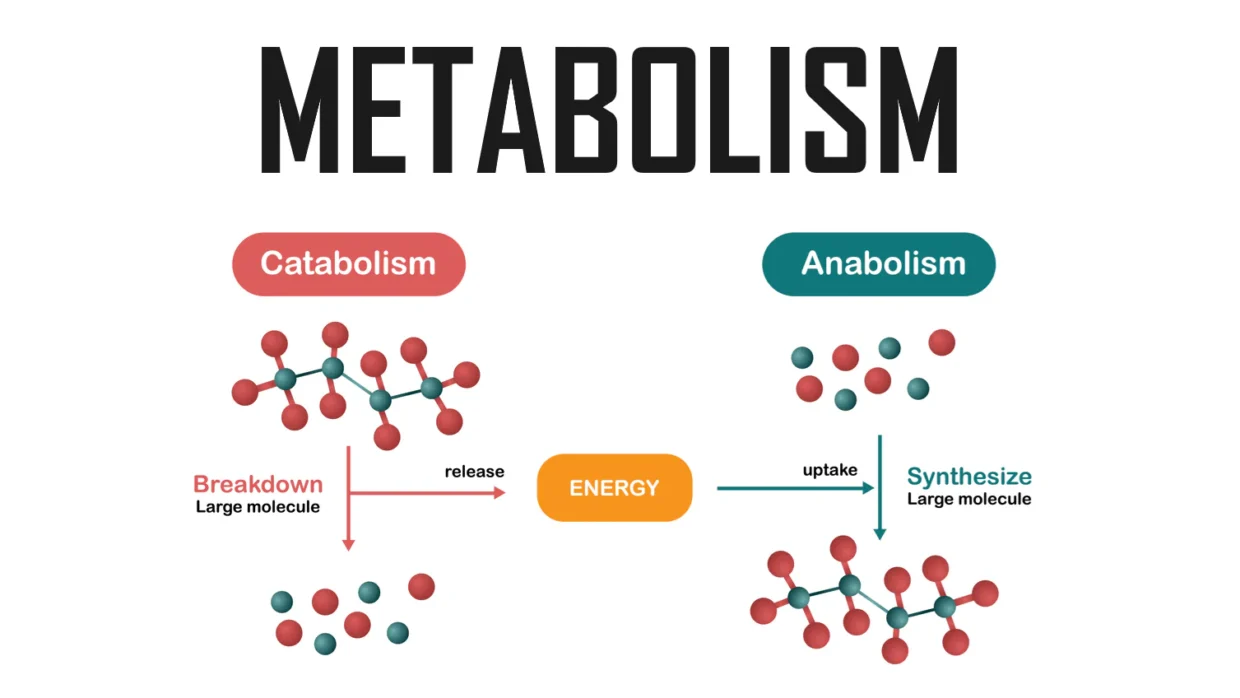
Anabolism is the metabolic process in which the body builds complex molecules from simpler ones. It uses energy to support growth, repair tissues, build muscle, and store nutrients. Examples of anabolic processes include muscle growth and the formation of glycogen from glucose.
Catabolism is the metabolic process in which the body breaks down complex molecules into simpler ones. This process releases energy that the body uses for daily activities, movement, and basic functions. Examples of catabolic processes include the breakdown of carbohydrates into glucose and fats into fatty acids.
Together, anabolism and catabolism make up metabolism, working in balance to maintain energy levels, body structure, and overall health.
What is Catabolism
Catabolism: Energy Breakdown Process
Catabolism is the set of metabolic reactions responsible for breaking down large, energy-rich molecules into smaller components that the body can use immediately. These reactions release energy stored in chemical bonds, making it available for essential processes such as muscle contraction, nerve signaling, temperature regulation, and cellular maintenance. Without catabolism, the body would not be able to access energy from food or stored reserves, regardless of how much nutrition is consumed (Cleveland Clinic).
At the cellular level, catabolic pathways include processes such as glycolysis, beta-oxidation of fatty acids, and protein degradation. Glycolysis breaks down glucose into smaller molecules to generate quick energy, while fat catabolism releases fatty acids during periods of fasting or prolonged activity. Protein breakdown occurs more selectively, often during energy shortages or stress, and provides amino acids that can be converted into glucose or used for essential repairs (NIH).
Catabolism becomes more active during specific physiological states. During exercise, especially endurance or high-intensity activity, the body relies heavily on catabolic reactions to meet rising energy demands. During fasting or calorie restriction, catabolism allows the body to shift from using dietary energy to stored fat and glycogen. In illness or injury, catabolism supports immune function and tissue repair, although prolonged illness can lead to excessive muscle breakdown if nutritional needs are not met (Harvard Health).
Hormonal regulation plays a central role in controlling catabolic activity. Hormones such as cortisol, glucagon, and adrenaline signal the body to release stored energy when blood glucose levels drop or stress levels rise. These hormones ensure survival during short-term challenges but can contribute to muscle loss and metabolic imbalance when chronically elevated due to poor sleep, emotional stress, or extreme dieting (Mayo Clinic).
From a health perspective, catabolism is necessary but must remain balanced with anabolic processes, which build and repair tissues. When catabolism consistently outweighs anabolism, individuals may experience symptoms such as fatigue, loss of muscle mass, slower recovery, and reduced immune resilience. This imbalance is commonly seen in overtraining, prolonged calorie deficits, and chronic stress environments rather than in normal daily activity (NIH).
Read More: 10 best drinks for a fast metabolism
Nutrition and lifestyle choices strongly influence how catabolism affects the body. Adequate protein intake provides the amino acids needed to limit muscle breakdown and support tissue repair. Strength training sends signals that encourage the body to preserve lean mass even during fat loss. Proper sleep and stress management help regulate cortisol levels, reducing unnecessary catabolic strain on the body’s systems (Harvard Health).
It is important to clarify that catabolism is not synonymous with weight loss or muscle loss. Fat loss occurs when catabolic fat pathways are activated while muscle tissue is preserved through adequate nutrition and training. Misunderstanding catabolism often leads to unhealthy practices aimed at suppressing it entirely, which is neither possible nor desirable. The goal is balance, not elimination (Cleveland Clinic).
What Is Anabolism
Anabolism: Energy Building Process
Anabolism is the metabolic process responsible for building complex molecules from simpler ones, allowing the body to grow, repair, and maintain tissues. While catabolism releases energy by breaking substances down, anabolism uses that energy to construct essential components such as muscle fibers, bone tissue, hormones, and enzymes. These building processes are fundamental for growth, recovery, immune function, and overall metabolic health (Cleveland Clinic).
At the cellular level, anabolic pathways involve the synthesis of proteins, glycogen, and fatty acids. Protein synthesis allows muscles and organs to repair and strengthen after physical activity or injury. Glycogen synthesis stores glucose in muscles and the liver for future energy use, while lipid synthesis supports hormone production and cellular structure. These reactions require adequate energy, nutrients, and hormonal signals to function efficiently (NIH).
Anabolism becomes especially active during periods of recovery, growth, and nourishment. After meals, particularly those containing protein and carbohydrates, insulin helps drive nutrients into cells to support tissue building and energy storage. During sleep, anabolic hormones such as growth hormone increase, supporting muscle repair, bone health, and cellular regeneration. This is why rest and nutrition are critical components of any health or fitness program (Harvard Health).
Hormones play a central role in regulating anabolic activity. Insulin, growth hormone, insulin-like growth factor 1 (IGF-1), estrogen, and testosterone all promote tissue-building processes. Balanced hormonal function ensures that nutrients are directed toward repair rather than excessive energy storage. Disruptions in these hormonal systems—due to poor sleep, chronic stress, or inadequate nutrition—can impair anabolic efficiency (Mayo Clinic).
From a health and fitness perspective, anabolism supports muscle maintenance, bone density, and metabolic stability. Resistance training is a powerful anabolic stimulus because it signals the body to strengthen muscle tissue in response to mechanical stress. Adequate protein intake supplies the amino acids required for muscle repair, while sufficient calories ensure that anabolic processes are not limited by energy shortages (NIH).
Anabolic processes also contribute to long-term metabolic health. Lean muscle mass increases resting energy needs, supports glucose regulation, and improves insulin sensitivity. This means that individuals with healthy anabolic activity often experience better energy balance and resilience against metabolic disorders. Anabolism, therefore, is not only about muscle growth but also about maintaining efficient energy utilization throughout the body (Harvard Health).
It is important to distinguish natural anabolism from artificial enhancement. The body’s anabolic processes are designed to respond to proper nutrition, exercise, and recovery. Attempts to artificially accelerate these processes through unsafe substances can disrupt hormonal balance and carry serious health risks. Sustainable anabolism relies on consistency, not shortcuts (Cleveland Clinic).
Catabolism vs Anabolism: Quick Comparison Table
| Aspect | Catabolism | Anabolism |
|---|---|---|
| Primary Role | Catabolism focuses on breaking down stored nutrients into smaller molecules to release energy needed for immediate bodily functions. This process supports survival, movement, and vital organ activity. | Anabolism is responsible for building complex molecules from simpler ones, supporting growth, repair, and maintenance of tissues throughout the body. |
| Energy Use | Energy is released during catabolic reactions, making it available for processes such as muscle contraction, brain activity, and temperature regulation. | Energy is consumed during anabolic reactions to create muscle tissue, bone, enzymes, and stored energy compounds. |
| When It Dominates | Catabolism becomes more active during exercise, fasting, illness, stress, or calorie restriction when the body needs quick energy. | Anabolism is more active after meals, during rest, recovery, and sleep when nutrients and energy are available. |
| Main Nutrients Involved | Carbohydrates, fats, and sometimes proteins are broken down to provide usable energy units. | Amino acids, glucose, and fatty acids are used as building blocks for tissues and energy storage. |
| Key Hormones | Cortisol, glucagon, and adrenaline stimulate catabolic pathways to release stored energy during demand. | Insulin, growth hormone, IGF-1, estrogen, and testosterone promote anabolic building and repair processes. |
| Impact on Muscle | Prolonged catabolic dominance may contribute to muscle breakdown if nutrition and recovery are inadequate. | Anabolism supports muscle repair, growth, and preservation when combined with proper training and nutrition. |
| Health Perspective | Essential for energy availability but harmful only when chronically elevated without balance. | Essential for recovery and long-term metabolic health when supported naturally through lifestyle habits. |
| Overall Goal | Provide immediate energy to meet short-term physiological needs. | Build and restore tissues to support long-term strength and metabolic stability. |
Functional Types of Metabolism in Everyday Terms
Beyond biological definitions, metabolism is often described functionally based on how quickly or efficiently the body uses energy. These terms are commonly used in fitness and health discussions and help explain individual differences.

Fast Metabolism
A fast metabolism generally refers to higher energy expenditure at rest and during activity. Individuals with this metabolic pattern tend to burn calories more quickly, even without high levels of physical activity. Factors such as genetics, thyroid hormone levels, and lean muscle mass often contribute to this metabolic type (Mayo Clinic).
While a fast metabolism can make weight gain more challenging, it does not guarantee optimal health. Some individuals may struggle with maintaining energy balance, nutrient adequacy, or muscle mass if dietary intake does not meet metabolic demands.
Read: Fast Metabolism Symptoms
Slow Metabolism
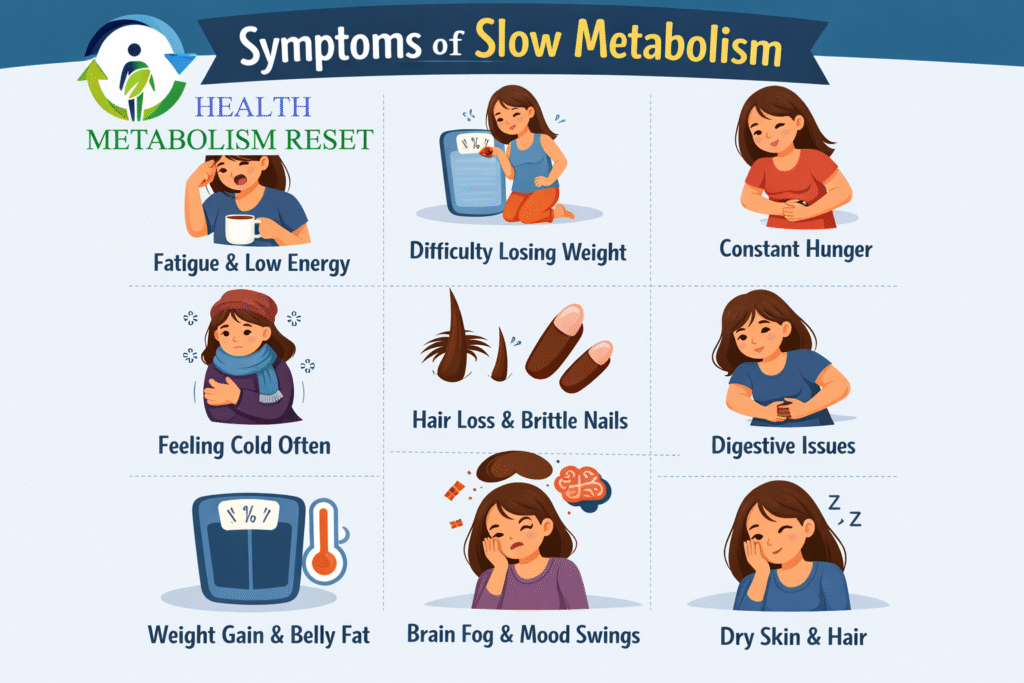
A slow metabolism is characterized by lower resting energy expenditure, meaning the body conserves energy more efficiently. People with this metabolic pattern may gain weight more easily if calorie intake exceeds daily energy needs. Age-related muscle loss, sedentary behavior, and hormonal changes can contribute to this metabolic state (NIH).
A slower metabolic rate does not indicate poor health or dysfunction. With proper nutrition, strength training, and lifestyle adjustments, metabolic efficiency can often be improved without extreme measures.
Learn More: Slow Metabolism Guide
High Metabolism vs Fast Metabolism: Are They the Same?
Although the terms are often used interchangeably, high metabolism and fast metabolism are not always identical. A high metabolism generally refers to greater overall energy demand, often due to higher muscle mass or increased physical activity. Fast metabolism, on the other hand, may specifically describe the speed at which the body processes and utilizes nutrients.
Both concepts relate to energy utilization but arise from different physiological factors. Understanding this distinction helps avoid common misconceptions discussed in our Metabolism Myths section of the pillar post (Cleveland Clinic).
Hormonal Influence on Metabolism Types
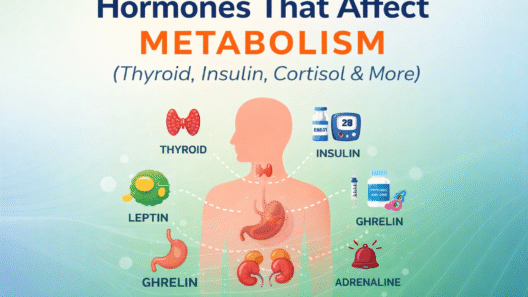
Hormones play a central role in determining metabolic patterns. Thyroid hormones regulate basal metabolic rate, while insulin influences how glucose is stored or used. Cortisol affects energy availability during stress, and sex hormones impact muscle mass and fat distribution (PubMed).
Imbalances in these hormones can shift metabolic function toward slower or less efficient energy use. This is why persistent symptoms such as fatigue, unexplained weight changes, or temperature sensitivity should be medically evaluated rather than attributed solely to “metabolism type.”
Learn: How Hormones Affect Metabolism
Can Your Metabolism Type Change?
Metabolism is not fixed. While genetics establish a baseline, lifestyle choices significantly influence metabolic behavior over time. Strength training increases muscle mass, which raises resting energy expenditure. Adequate sleep supports hormonal regulation, while chronic stress can suppress metabolic efficiency (Harvard Health).
Diet quality, hydration, and regular physical activity all contribute to metabolic adaptability. These strategies are discussed in greater detail in the How to Increase Metabolism Naturally section of the pillar post, reinforcing how cluster content supports the broader topic.
Why Understanding Metabolism Types Matters
Recognizing different metabolic types encourages realistic expectations and healthier goal-setting. It helps individuals focus on sustainable habits rather than comparing progress with others. Most importantly, it reinforces that metabolic health is influenced by multiple systems working together, not a single trait or shortcut.
Frequently Asked Questions
Which type of tissue is more metabolically active?
Muscle tissue is more metabolically active than fat tissue. This means the muscle requires more energy to maintain, even when the body is at rest. Due to this higher energy demand, individuals with greater lean muscle mass typically have a higher resting metabolic rate. This is one reason resistance training is commonly recommended to support metabolic health
What type of metabolism do I have?
There is no single test that defines a person’s metabolism as one fixed type. Metabolic characteristics are influenced by factors such as genetics, age, muscle mass, hormones, physical activity, and diet. Healthcare professionals often assess metabolic rate indirectly through body composition, energy levels, and clinical markers. Rather than focusing on labels, improving lifestyle habits is more impactful for metabolic function
Which type of metabolic diversity contains most pathogens?
In microbiology, environments with high metabolic diversity—such as soil or the human gut—can support a wide range of microorganisms, including some pathogens. Metabolic diversity refers to the variety of biochemical pathways organisms use to obtain energy. However, the presence of diverse metabolic activity does not automatically indicate disease. In fact, balanced microbial diversity is often associated with better overall health (NIH).
Which type of metabolic fuel requires more oxygen to burn?
Fat requires more oxygen to be metabolized compared to carbohydrates. This is because fat molecules are more complex and require additional biochemical steps for energy release. During lower-intensity activities, the body often relies more on fat oxidation, while higher-intensity activity shifts energy use toward carbohydrates. Oxygen availability plays a key role in determining which fuel source is used
Sources
National Center for Biotechnology Information (NCBI) – Overview of Metabolism (Anabolism & Catabolism):
https://www.ncbi.nlm.nih.gov/books/NBK546690/
National Institutes of Health (NIH) – Metabolic Processes and Energy Balance:
https://www.ncbi.nlm.nih.gov/books/NBK499909/
Cleveland Clinic – Metabolism Explained (Types & Energy Use):
https://my.clevelandclinic.org/health/body/21893-metabolism
Harvard Health Publishing – How Metabolism Works in the Body:
https://www.health.harvard.edu/nutrition/can-you-increase-your-metabolism
Mayo Clinic – Metabolism and Weight Regulation:
https://www.mayoclinic.org/healthy-lifestyle/weight-loss/in-depth/metabolism/art-20046508
NIH – Muscle vs Fat Metabolic Activity:
https://www.ncbi.nlm.nih.gov/pmc/articles/PMC6019055/
PubMed – Thyroid Hormones and Metabolic Rate Regulation:
https://pubmed.ncbi.nlm.nih.gov/18279014/
NIH – Aerobic vs Anaerobic Metabolic Pathways:
https://www.ncbi.nlm.nih.gov/books/NBK279396/
Cleveland Clinic – Hypermetabolism and Energy Use:
https://my.clevelandclinic.org/health/diseases/23980-hypermetabolism
Medical News Today – Fat vs Carbohydrate Oxidation and Oxygen Use:
https://www.medicalnewstoday.com/articles/318651
Disclaimer
The information provided on this website is intended for general educational and informational purposes only. It is not intended to serve as medical advice, diagnosis, treatment, or a substitute for professional healthcare guidance.
Content related to metabolism, anabolism, catabolism, nutrition, weight management, and lifestyle factors is based on publicly available research, clinical references, and authoritative health sources. However, individual health conditions, metabolic responses, and medical needs can vary significantly from person to person.
Readers should not rely solely on this information to make decisions about their health. Always consult a qualified healthcare professional, physician, or registered dietitian before making changes to your diet, exercise routine, supplements, or lifestyle, especially if you have a medical condition or are taking medication.
This website does not claim to diagnose, treat, cure, or prevent any disease. Any action taken based on the information presented here is done at the reader’s own discretion and risk.
If you experience persistent symptoms, unexplained weight changes, fatigue, or other health concerns, seek medical advice promptly from a licensed healthcare provider.
Blog History
Posted On:
Last Upadted:

Robert Harisson
ISSA Certified Personal Trainer | Nutrition Specialist (Cornell University)
Robert Harrison is an ISSA-certified personal trainer and a nutrition graduate from Cornell University. With over five years of fitness coaching and two years of health-blog writing, he specializes in metabolism, women’s health, weight management, and natural wellness. Robert creates simple, science-backed content that helps readers make safe and informed decisions. His work reflects strong E-E-A-T principles, combining real-world coaching experience with evidence-based nutrition knowledge.