





Every woman deals with breast changes at some point. But the question most women are actually asking is not whether sagging will happen — it is whether anything can be done to slow it down, prevent it from getting worse, or reverse what has already started.
The honest answer is yes — but only if you know what actually works and what is a waste of time and money.
This guide covers how to prevent boobs from sagging through exercise, lifestyle changes, proper support, and skin care — and what realistic expectations look like at every age and stage.
If you are already dealing with sagging after weight loss and want to understand why it happened and what your fix options are, read our detailed guide on why boobs sag after weight loss.
When Do Boobs Start Sagging — And Why It Matters
Before getting into prevention, it helps to understand when do boobs start sagging and why — because prevention strategies work very differently depending on where you are in the process.
Breast sagging typically begins in the mid to late twenties for most women — earlier for women with larger breasts, women who smoke, or women who go through significant weight fluctuations. By the mid thirties, most women notice some change in breast position and firmness regardless of lifestyle.
When do boobs start sagging faster than normal? Several factors accelerate the timeline — rapid weight loss, pregnancy and breastfeeding, lack of proper bra support during exercise, smoking, and poor collagen nutrition. Understanding which of these apply to you tells you exactly where to focus your prevention efforts.
The earlier you start these habits, the more effective they are. But starting at any age produces real results — it is never too late to slow the process down.
“For a complete guide on weight management specific to women’s bodies, our women’s weight loss guide covers everything from hormones to exercise to diet.”
How To Keep Boobs From Sagging — The Foundation
The foundation of how to keep boobs from sagging comes down to three things working together — supporting the structures that hold breast tissue up, building the muscles underneath, and maintaining the skin quality that gives breasts their shape.
None of these alone is enough. All three together produce the best results.
Wear The Right Bra — The Most Underrated Prevention Tool
This is the single most consistently reported and practically impactful thing you can do to keep boobs from sagging over time.
Cooper’s ligaments — the internal structures that hold breast tissue up — stretch gradually under the repeated pull of gravity and movement. A properly fitted bra takes that load off the ligaments during daily activity. Without adequate support, those ligaments are under constant stress every single day, and they do not recover from that stretching.
Most women are wearing the wrong bra size. Studies suggest the majority of women are in a band that is too loose or a cup that is too small — meaning they are getting far less support than they think. Getting properly measured using a professional bra calculator changes this immediately.
The best bras for sagging boobs combine a firm supportive band — which does most of the actual supporting work — with an appropriate cup size that fully encases the breast tissue. A loose band, regardless of cup size, provides almost no real support.
For exercise specifically — a proper sports bra is not optional if you want to know how to prevent boobs from sagging long term. Repeated unsupported movement during running, jumping, or any high impact exercise puts enormous strain on Cooper’s ligaments. One good sports bra worn consistently during every workout is one of the most protective things you can do for long term breast shape.
The best bras for sagging boobs during everyday wear are full coverage styles with wide straps and firm bands. Underwire provides additional lift and shape. For women with larger breasts especially, minimizer bras with strong support structures make a significant difference in daily ligament stress.
Exercises To Prevent Sagging Boobs — Build What Holds Everything Up
Exercise cannot change the ligaments themselves — but building the pectoral muscles underneath the breast tissue creates a physical foundation that pushes everything forward and upward. Exercises to prevent sagging boobs work by increasing the muscle mass directly beneath the breast, which improves the overall position and appearance significantly.
The most effective exercises to prevent sagging boobs:
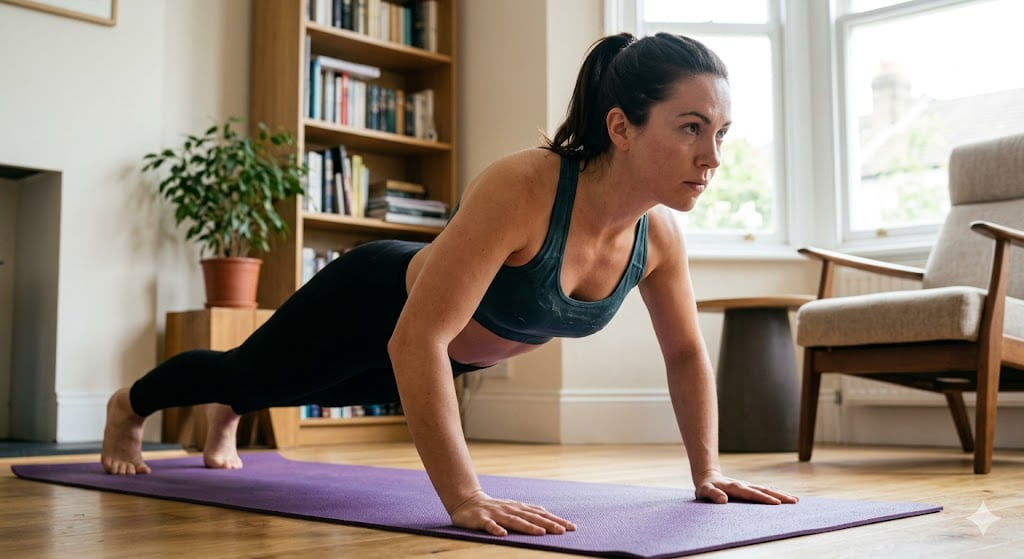
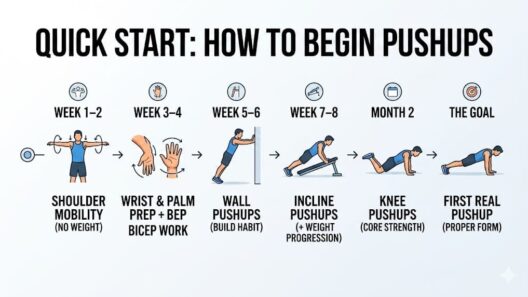
Push-ups. The most accessible and consistently effective chest exercise available. Regular push-ups build the entire pectoral muscle group and over time create a visibly firmer and more lifted chest appearance. Women who incorporated consistent upper body training reported noticeably more lift compared to women who only did cardio. Start with whatever variation you can manage — wall push-ups, knee push-ups, full push-ups — and progress over time.
Chest press. Dumbbell or barbell chest press builds the pectoral muscles more directly than push-ups and allows for progressive overload — meaning you can consistently increase the challenge over time. This is one of the best exercises to prevent sagging boobs for women who are already in the gym regularly.
Dumbbell flyes. Flyes target the outer chest and help build the full width of the pectoral muscle — creating a broader, more supported base for breast tissue to sit against.
Rowing machine. One of the most underrated exercises for how to keep your boobs from sagging. Rowing works the entire upper body — chest, back, and shoulders simultaneously. Better posture from a strong back directly improves how breasts sit and appear. Women who added regular rowing to their routine consistently reported visible improvement in breast position and firmness over time.
If you want to combine chest work with overall fat loss, our guide on best exercises to lose belly fat covers the most effective full-body approach.”
Incline push-ups and incline chest press. The incline angle targets the upper chest specifically — which is where the most visible lifting effect comes from. Including some incline work alongside flat chest exercises gives the most complete result.
Consistency matters more than intensity here. Two to three chest-focused sessions per week over several months produces real visible change. Do not expect results in two weeks — expect them in three to six months of consistent training.
How To Keep Your Boobs From Sagging — Lifestyle Habits That Matter
Beyond exercise and bras, several lifestyle habits have a meaningful impact on how to keep your boobs from sagging over the long term.
Maintain a stable, healthy weight. Significant weight fluctuations — gaining and losing repeatedly — stretch breast skin and ligaments further with each cycle. Losing weight gradually and maintaining it afterward is one of the most protective things you can do for long-term breast shape. If you are currently on a weight loss journey, our guide on how to lose 50 pounds in a few months for females covers how to do it at a pace that minimizes body changes like sagging.
“If you are just starting, our weight loss plan for beginners gives you a structured starting point that avoids the rapid weight loss mistakes that cause sagging.”
Do not smoke. Smoking breaks down collagen and elastin throughout the entire body — including breast skin. Women who smoke consistently experience more pronounced sagging earlier than non-smokers. If preventing sagging is a priority, quitting smoking is one of the highest impact decisions you can make for your skin and breast tissue long term.
Sleep position. Side sleeping puts consistent pressure on breast tissue and can contribute to gradual shape changes over time. Sleeping on your back reduces this pressure. This is a small habit with a cumulative effect over years — not a dramatic fix but worth knowing.
Posture. Poor posture — rounded shoulders and forward head position — causes breast tissue to pull forward and downward with gravity more aggressively. Improving posture through back strengthening exercises and conscious daily habits directly reduces the gravitational load on breast ligaments.
How To Prevent Boobs From Sagging With Skin Care and Collagen
Skin quality is a significant part of breast firmness and shape. The same collagen-focused approach that helps with loose skin anywhere on the body applies directly to breast skin. This is covered in detail in our guide on how to tighten loose skin after weight loss — and the same principles apply here.
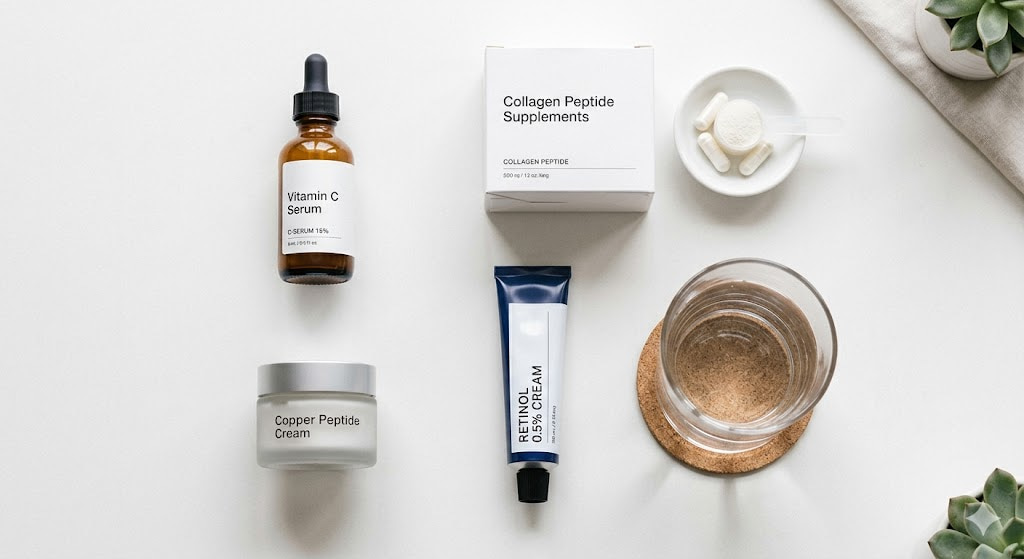
Collagen supplements. Collagen peptides taken daily support skin elasticity throughout the body including breast skin. Hydrolyzed collagen is the most bioavailable form. Combined with adequate protein intake, consistent supplementation over months builds a meaningful difference in skin quality and firmness.
Vitamin C. Vitamin C is essential for collagen synthesis. Both topical vitamin C serum applied to the chest area and adequate dietary vitamin C support the skin’s ability to maintain elasticity and resist sagging over time.
Retinol. Retinol applied topically accelerates cell turnover and stimulates collagen production in the skin. Used consistently at night on the chest and breast area, retinol is one of the most evidence-backed topical approaches to maintaining skin firmness. Start with a low concentration and build up gradually to avoid irritation.
Copper peptide cream. Used during the day alongside retinol at night, copper peptide creams support skin repair and collagen production. This combination — retinol at night, copper peptides during the day — is one of the most practically effective topical routines for skin elasticity.
Moisturizing daily. Well hydrated skin maintains elasticity better than dehydrated skin. Daily moisturizing of the chest and breast area is a basic but genuinely useful habit for how to prevent boobs from sagging over time. It will not reverse significant sagging but it supports overall skin health.
How To Keep Boobs From Sagging During Pregnancy and Breastfeeding
Pregnancy and breastfeeding cause some of the most significant breast changes a woman’s body goes through. Prevention during this period is different from general prevention — complete prevention is not realistic, but minimizing the impact is.
Wearing a well-fitted supportive maternity bra throughout pregnancy and a good nursing bra during breastfeeding significantly reduces the ligament stress from size changes. Keeping weight gain within healthy recommended ranges during pregnancy reduces the extent of breast skin stretching. Maintaining collagen nutrition throughout — protein, vitamin C, collagen supplements — supports skin elasticity during rapid size changes.
Gradual weaning rather than abrupt stopping gives breast skin more time to adapt as volume reduces. These steps do not guarantee zero sagging after breastfeeding but they make a meaningful difference in how much change occurs.
What Does Not Work — Save Your Money
A lot of products are marketed specifically at women who want to know how to keep boobs from sagging — and most of them are not worth buying.
Firming creams marketed specifically for breast lifting do not penetrate deeply enough to affect the Cooper’s ligaments or the deeper collagen layers where actual support comes from. Basic moisturizers are worthwhile for skin hydration. Retinol and copper peptides have real evidence behind them. But expensive “breast firming” creams with proprietary formulas are largely marketing over substance.
Breast firming masks, suction devices, and massage tools marketed for lifting have no meaningful evidence behind them for long term results. They are not harmful — they are just not effective enough to justify the cost.
The approaches that work are the ones already covered — proper bra support, chest exercises, collagen nutrition, retinol, and lifestyle habits. These are less exciting than a cream that promises results in two weeks but they are the ones that actually produce change over time.
How To Prevent Boobs From Sagging — Realistic Summary
How to prevent boobs from sagging is not one thing — it is a combination of habits maintained consistently over time.
Wear properly fitted supportive bras every day and a good sports bra during every workout. Do chest exercises — push-ups, chest press, rowing — two to three times per week consistently. Maintain a stable healthy weight and avoid rapid weight fluctuations. Do not smoke. Support your skin with collagen supplements, vitamin C, retinol, and daily moisturizing. Improve your posture through back strengthening work.
None of these produces dramatic overnight results. All of them together produce real, visible, long term results — and they start working from the day you begin.
How to keep your boobs from sagging long term is about building habits that protect the structures and skin involved — and starting those habits as early as possible, even if some sagging has already begun.
To understand why sagging happens and what fix options exist if it has already happened, read our guide on why boobs sag.
For your complete weight loss and body transformation foundation, visit our Complete Weight Loss Guide. And if motivation is what you need to keep going through all of it, our guide on why motivation fails for weight loss is worth reading too.
Frequently Asked Questions
Q1. How to prevent boobs from sagging during weight loss?
Lose weight slowly at 1 to 2 pounds per week to give breast skin time to adapt. Wear a properly fitted supportive bra throughout the process. Do chest exercises consistently to build the pectoral muscles underneath. Take collagen supplements and maintain high protein intake to support skin elasticity during fat loss.
Q2. How to keep boobs from sagging as you age?
Consistent chest training, proper daily bra support, collagen supplementation, retinol use, not smoking, and maintaining a stable healthy weight are the most effective long term habits. How to keep boobs from sagging with age is about consistent protective habits rather than any single fix — start as early as possible and maintain them.
Q3. When do boobs start sagging and can it be prevented?
Sagging typically begins in the mid to late twenties for most women — earlier for smokers, women with larger breasts, or women who go through rapid weight changes. When do boobs start sagging can be delayed and slowed significantly with the right habits but cannot be prevented entirely — it is a natural part of aging that can be meaningfully managed.
Q4. What are the best bras for sagging boobs?
The best bras for sagging boobs combine a firm supportive band with an appropriate cup size that fully encases the breast tissue. Full coverage styles with wide straps and underwire provide the most support. For exercise, a structured sports bra with minimal bounce is essential. Getting professionally measured using a bra calculator gives you the right starting point.
Q5. Do exercises to prevent sagging boobs actually work?
Yes — building pectoral muscles through exercises to prevent sagging boobs pushes breast tissue forward and upward, creating a visibly firmer and more lifted appearance. Push-ups, chest press, flyes, and rowing are the most effective options. Results take 3 to 6 months of consistent training to become clearly visible.
Q6. How to keep your boobs from sagging after breastfeeding?
Wear a well-fitted nursing bra throughout breastfeeding. Keep collagen nutrition high — protein, vitamin C, collagen peptides. Wean gradually rather than abruptly to give skin time to adapt. Start chest exercises after medical clearance postpartum. How to keep your boobs from sagging after breastfeeding is about supporting skin and structure throughout the process rather than after.
Q7. Does sleeping position affect breast sagging?
Yes — side sleeping puts consistent pressure on breast tissue and contributes to gradual shape changes over time. Sleeping on your back reduces this pressure and is the most breast-shape-friendly sleeping position long term.
Sources
- Rinker, B. et al. (2010) — Breast ptosis and contributing factors including bra support. Aesthetic Surgery Journal. https://doi.org/10.1177/1090820X10375557
- Greenbaum, A.R. et al. (2003) — Cooper’s ligaments structure and breast support mechanics. British Journal of Plastic Surgery. https://doi.org/10.1016/S0007-1226(03)00215-2
- Proksch, E. et al. (2014) — Oral collagen peptides improve skin elasticity and firmness. Skin Pharmacology and Physiology. https://doi.org/10.1159/000351376
- Morita, A. (2007) — Smoking and skin collagen breakdown — premature aging. Journal of Dermatological Science. https://doi.org/10.1016/j.jdermsci.2007.05.015
- McGhee, D.E. et al. (2013) — Sports bra design and breast support during exercise. Journal of Sports Sciences. https://doi.org/10.1080/02640414.2013.771143
Disclaimer:
The information in this article is for educational purposes only and does not constitute medical advice. Consult a qualified healthcare professional before starting any new exercise routine, supplement, or skincare treatment.

ISSA Certified Personal Trainer | Nutrition Specialist (Boston University)
Naithen Matthews is an ISSA-certified personal trainer and a nutrition graduate from Cornell University, with advanced graduate study (MS and PhD level work) in Nutrition & Metabolism focusing on nutrient metabolism, energy balance, chronic disease mechanisms, and obesity.
With over five years of experience in fitness coaching and more than two years of writing in the health and wellness space, Naithen specializes in metabolism, women’s health, weight management, and natural wellness. He is passionate about turning complex science into clear, practical guidance that anyone can understand.
Naithen’s work reflects strong E-E-A-T principles, combining real-world coaching experience with evidence-based nutrition knowledge to help readers make safe, informed, and confident health decisions.