



Weight loss is often discussed in terms of speed—how quickly pounds can be lost and how fast results can appear. However, from a medical and long-term health perspective, the more important question is not how fast weight can be lost, but how safely it can be lost.
If you’ve ever wondered what a safe weight loss per week looks like, you’re not alone. Many people are unsure whether their progress is healthy or whether losing weight too quickly could cause problems. Understanding what experts consider safe can help you make informed decisions and avoid unnecessary risks.
What “Safe Weight Loss” Really Means
Safe weight loss refers to a rate of weight reduction that minimizes health risks while preserving muscle mass, metabolic health, and nutritional balance. Medical organizations generally agree that gradual weight loss is more sustainable and less likely to lead to complications (Mayo Clinic).
Losing weight safely does not mean progress will always be slow or linear. Early changes may happen more quickly due to water weight loss, but long-term fat loss follows a steadier pace (Harvard Health Publishing).
How Much Weight Loss Per Week Is Considered Safe?
Many people ask how much weight loss per week is safe, especially when starting a new diet or exercise routine. While results vary between individuals, medical guidelines generally focus on protecting long-term health rather than achieving rapid changes on the scale.
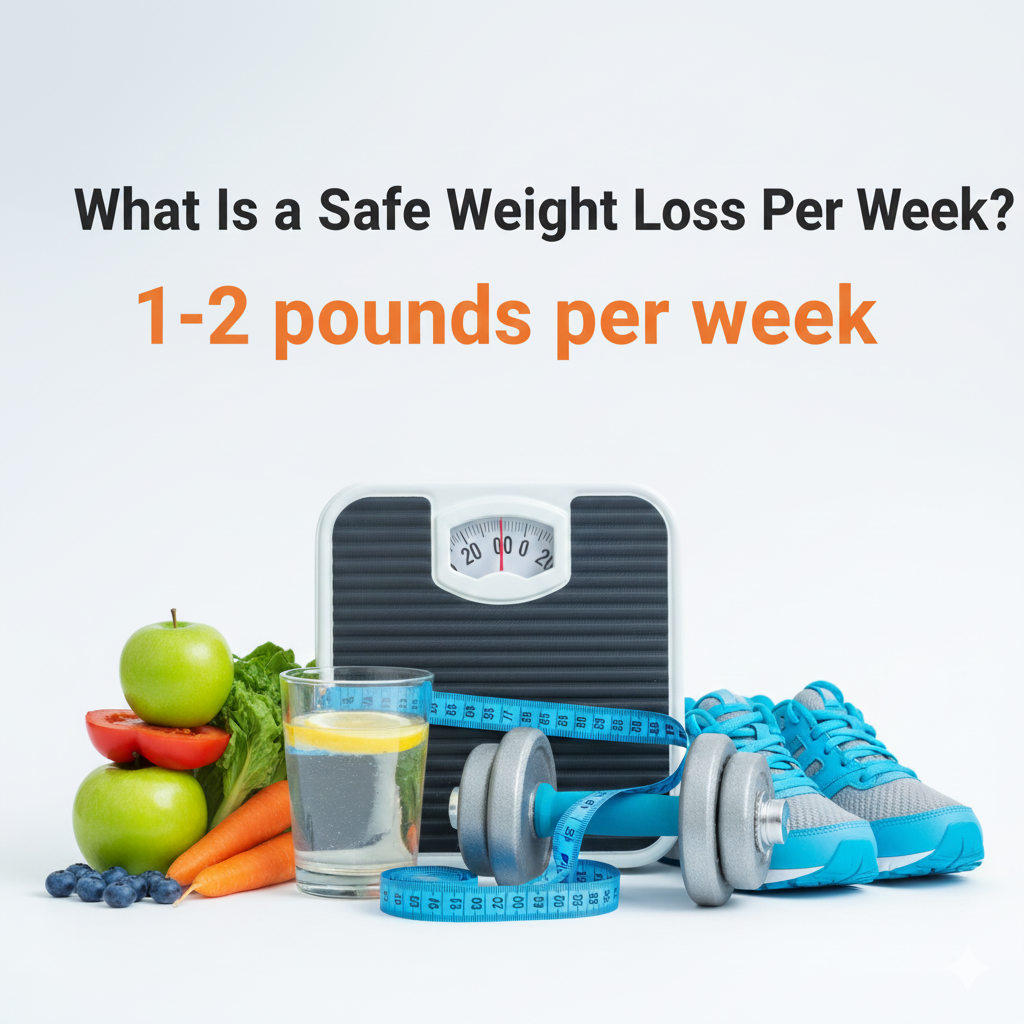
Most healthcare professionals recommend aiming for about 1 to 2 pounds per week as a safe and sustainable rate for most adults (CDC). This range allows the body to adapt without triggering excessive muscle loss, hormonal disruption, or metabolic slowdown.
A weekly loss within this range is usually achieved through a moderate calorie deficit combined with balanced nutrition and regular physical activity. It reflects actual fat loss rather than temporary water shifts (National Institutes of Health).
Why Faster Weight Loss Often Happens at First
Many people lose weight more quickly during the first one to two weeks of a new plan. This is often due to water weight rather than fat loss. Reduced carbohydrate intake, lower sodium consumption, and improved hydration can cause the body to release stored fluid (Cleveland Clinic).
This early drop can be motivating, but it should not be mistaken for ongoing fat loss. As the body adapts, the rate of weight loss typically slows to a more sustainable level.
Is Losing More Than 2 Pounds Per Week Unsafe?
Losing more than 2 pounds per week is not always dangerous, but it may raise concerns depending on the context. In people with higher starting body weight, slightly faster loss may occur initially without immediate harm (Harvard Health Publishing).
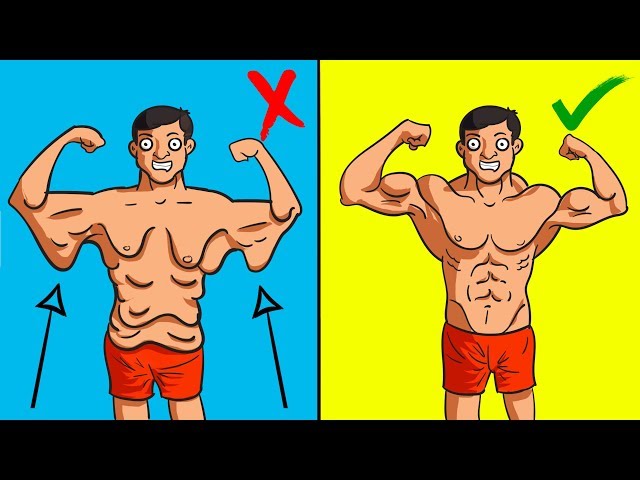
However, consistently losing weight at a much faster rate may increase the risk of muscle loss, fatigue, nutrient deficiencies, and hormonal changes. Rapid weight loss can also increase the likelihood of weight regain later (Mayo Clinic).
According to widely accepted weekly weight loss recommendations, losing about one to two pounds per week is considered both safe and sustainable for most adults. This range helps ensure that weight loss primarily comes from fat rather than water or muscle tissue.
Fat Loss vs Water Weight vs Muscle Loss
Not all weight loss is the same. Understanding what the scale reflects is essential when evaluating safety.
Water weight changes happen quickly and are influenced by hydration, sodium intake, hormones, and digestion. Fat loss occurs gradually when the body uses stored fat for energy. Muscle loss may occur when calorie intake is too low or protein intake is insufficient (NIH).
Safe weight loss focuses on preserving muscle while gradually reducing fat mass.
Read About: Water Weight Loss
Why Losing Weight Too Fast Can Be Harmful
Understanding rapid weight loss risks is important before attempting aggressive dieting. Losing weight too quickly may increase the likelihood of muscle loss, fatigue, electrolyte imbalances, and hormonal disruption. In some cases, rapid weight loss has also been linked to gallstones and difficulty maintaining results over time.
Rapid weight loss can place stress on the body. Severe calorie restriction may disrupt hormones that regulate hunger, metabolism, and stress. This can lead to fatigue, irritability, hair thinning, and menstrual irregularities in some individuals (Johns Hopkins Medicine).
In extreme cases, rapid weight loss has been associated with gallstones, electrolyte imbalances, and cardiovascular strain (Mayo Clinic).
Individual Factors That Affect Safe Weight Loss
Safe weight loss per week is not identical for everyone. Age, sex, starting weight, medical conditions, medications, and lifestyle all play a role (CDC).
For example, someone with a higher body weight may safely lose slightly more weight initially, while someone closer to their goal weight may need to lose more slowly. Hormonal factors and stress levels also influence how the body responds to weight loss efforts (Cleveland Clinic).
More: Lose 10lbs In a Month
When Faster Weight Loss May Be Medically Supervised
In certain situations, faster weight loss may be recommended under medical supervision. This may include individuals preparing for surgery, managing obesity-related conditions, or participating in structured clinical programs (NIH).
These cases involve close monitoring to ensure nutritional needs are met and health markers remain stable. Attempting similar rates without supervision is not recommended.
How to Track Progress Safely
Rather than focusing on daily scale numbers, many experts recommend tracking weekly trends. Weight naturally fluctuates due to water retention, digestion, and hormonal changes (Harvard Health Publishing).
Other indicators of healthy progress include improved energy levels, better sleep, reduced bloating, and gradual changes in body composition.
Warning Signs That Weight Loss May Be Too Fast
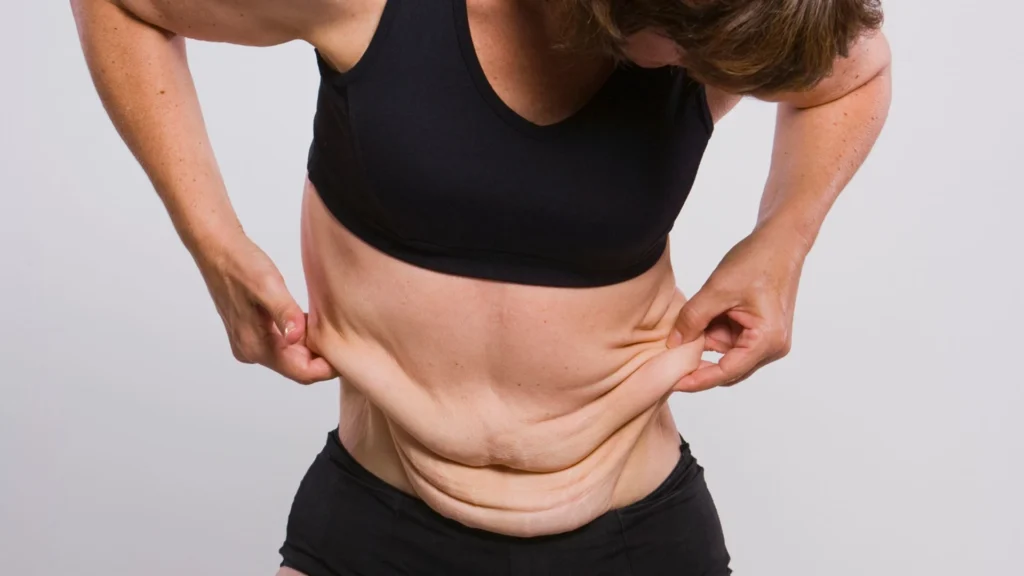
Certain symptoms may indicate that weight loss is occurring too rapidly. These include persistent fatigue, dizziness, hair loss, missed menstrual cycles, mood changes, or difficulty concentrating (Mayo Clinic).
If these symptoms appear, slowing the pace and consulting a healthcare professional is advised.
Why Sustainable Weight Loss Matters
Focusing on sustainable weight loss rather than speed helps protect physical and mental health. A gradual approach encourages habits that can be maintained long term, reducing the risk of weight regain and supporting overall well-being.
Weight lost too quickly is more likely to return. Research consistently shows that gradual weight loss improves long-term maintenance and metabolic health (National Institutes of Health).
A steady approach supports healthier habits and reduces the risk of cycling between extreme dieting and regain.
When to Talk to a Doctor
If you have underlying health conditions, take medications, or experience unusual symptoms during weight loss, medical guidance is important. A healthcare professional can help determine a safe pace based on individual needs (CDC).
More: Best exercises for weight loss
Conclusion
A safe weight loss per week is not about chasing the fastest result but supporting the body in a way that protects health and promotes long-term success. For most people, losing 1 to 2 pounds per week is considered both safe and sustainable.
Understanding the difference between water weight, fat loss, and muscle loss helps set realistic expectations and prevents unnecessary risk. Sustainable progress may take time, but it is far more likely to last.
More: Complete weight loss guide
Sources
Johns Hopkins Medicine – https://www.hopkinsmedicine.org
Harvard Health Publishing – https://www.health.harvard.edu
Mayo Clinic – https://www.mayoclinic.org
Centers for Disease Control and Prevention (CDC) – https://www.cdc.gov
National Institutes of Health (NIH) – https://www.nih.gov
Cleveland Clinic – https://my.clevelandclinic.org
Dismclaimer
The information provided on this website is for educational and informational purposes only. It is not intended as a substitute for professional medical advice, diagnosis, or treatment. Always seek the advice of your physician or other qualified health provider with any questions you may have regarding a medical condition. Never disregard professional medical advice or delay in seeking it because of something you have read on this website.
The content, including text, graphics, and images, is designed to support, not replace, the relationship that exists between you and your healthcare provider. Reliance on any information provided by this website is solely at your own

Robert Harisson
ISSA Certified Personal Trainer | Nutrition Specialist (Cornell University)
Robert Harrison is an ISSA-certified personal trainer and a nutrition graduate from Cornell University. With over five years of fitness coaching and two years of health-blog writing, he specializes in metabolism, women’s health, weight management, and natural wellness. Robert creates simple, science-backed content that helps readers make safe and informed decisions. His work reflects strong E-E-A-T principles, combining real-world coaching experience with evidence-based nutrition knowledge.