




Many people experience sudden changes on the scale that seem confusing or even alarming. You may go to bed feeling bloated, only to wake up several pounds lighter the next morning.
Can You Lose 4 Pounds of Water Weight Overnight?
This often leads to the question: Is it really possible to lose 4 pounds of water weight overnight?
Losing water weight overnight is possible, but it’s important to understand that this is temporary weight loss, not fat loss. Water weight usually comes from excess sodium, carbohydrates, hormonal changes, or inflammation that cause the body to retain fluids.
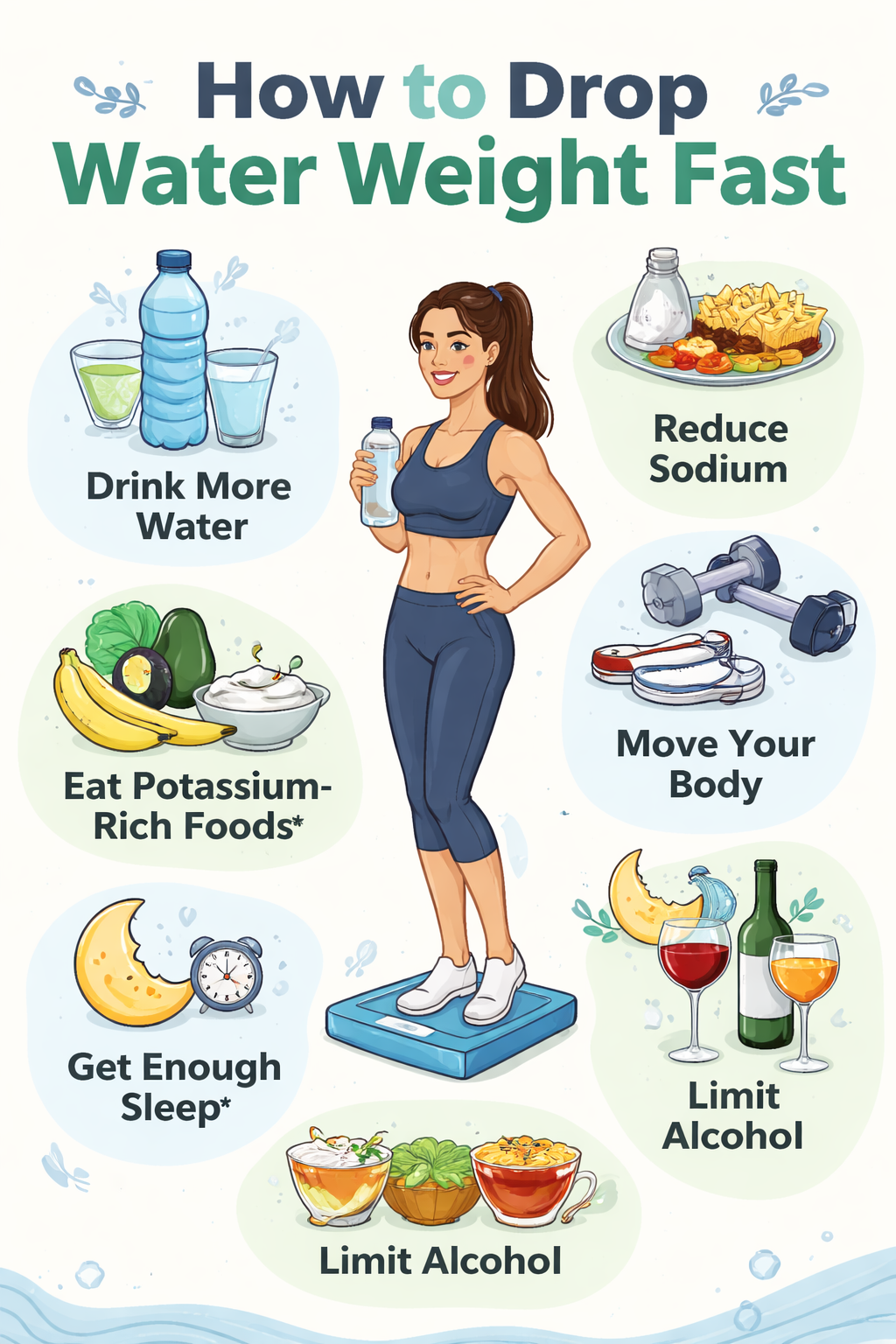
One of the most effective ways to reduce water retention overnight is to lower sodium intake in the evening. Salty and processed foods cause the body to hold onto water, so choosing simple, low-sodium meals can help release excess fluids.
Staying well hydrated may sound counterintuitive, but drinking enough water actually signals your body to stop retaining fluids. When the body is dehydrated, it holds onto water as a defense mechanism.
Light physical activity, such as walking or gentle stretching, can also help by improving circulation and encouraging fluid movement. Sweating slightly through mild activity may reduce temporary water retention, but extreme sweating methods should be avoided.
Eating foods rich in potassium—such as bananas, spinach, or avocados—can help balance sodium levels and support fluid regulation. Additionally, getting adequate sleep is important, as poor sleep can disrupt hormones that control water balance.
It’s important to avoid extreme methods like dehydration, excessive sweating, or laxatives. While you may see a small drop on the scale overnight, water weight often returns once normal eating and hydration resume.
For lasting results, focus on long-term habits rather than quick fixes.
Safer focus:
- Reduce sodium and ultra-processed foods
- Stay well hydrated
- Do light movement (walking/stretching)
- Prioritize sleep
- Keep expectations realistic
If rapid or unexplained fluid changes happen frequently, it’s best to consult a healthcare professional.
Read More: How to drop water weight fast
What Water Weight Means for the Body
Water weight refers to temporary fluid stored in the body’s tissues, bloodstream, and digestive system. The human body is mostly water, and it continuously adjusts fluid levels to maintain balance. These adjustments can happen quickly, sometimes within hours.(Mayo Clinic).
When the body senses changes in sodium intake, hydration, hormones, inflammation, or stress, it may retain or release water accordingly. This is why water weight can increase suddenly after travel, salty meals, hormonal shifts, or poor sleep, and then disappear just as quickly when conditions normalize.
Unlike fat, water weight does not represent stored energy. It is simply fluid that the body is holding or releasing to protect itself.
Why Overnight Weight Changes Are Common
Overnight is a time when many processes that influence fluid balance naturally occur. While you sleep, your body continues to regulate hormones, digest food, and manage electrolytes. These processes can result in noticeable changes on the scale by morning.
One reason morning weight is often lower is fluid loss through breathing and light sweating during sleep. You also stop consuming food and drinks overnight, which allows digestion to progress and reduces the amount of material in the gastrointestinal tract.
Additionally, lying down for several hours improves circulation and reduces gravitational fluid pooling in the legs and abdomen. This alone can make the body feel less puffy in the morning.
The Role of Sodium and Carbohydrates
Sodium plays a major role in water retention. When sodium intake is high, the body holds onto extra water to maintain electrolyte balance. If sodium intake drops, the kidneys begin to excrete excess sodium, and water follows.
Carbohydrates also influence water weight. The body stores carbohydrates as glycogen in the muscles and liver, and glycogen binds water. When glycogen levels decrease even slightly, such as overnight or after lighter eating, the associated water is released.
This combination of sodium reduction, glycogen changes, and fluid loss explains why some people see large overnight drops on the scale without any fat loss.
What Helps the Body Release Water Naturally
The safest way to reduce water weight is to support the body’s normal fluid-regulating systems.
Adequate hydration is essential. When the body is well hydrated, it does not need to conserve water, allowing the kidneys to flush excess sodium and fluid (CDC). Consistent water intake throughout the day is more effective than sudden restriction.
Reducing sodium intake, especially later in the day, can also make a noticeable difference by morning. This does not mean eliminating salt entirely, but avoiding heavily processed or restaurant foods can reduce overnight bloating.
Light physical activity during the day supports circulation and lymphatic flow, helping fluid move out of tissues. Gentle movement is often more effective than intense exercise, which can temporarily increase inflammation and water retention. Verywell Health)
Sleep quality also plays a critical role. Poor sleep increases stress hormones like cortisol, which can cause the body to retain water. Even one night of restful sleep can reduce morning puffiness.
More: Weight Loss Supplement
Why Extreme Methods Often Backfire
When people try to force overnight water loss through dehydration, excessive sweating, or unregulated diuretics, the body often responds defensively. Dehydration signals the body to conserve water, increasing retention once fluids are reintroduced.
Extreme heat exposure, such as prolonged sauna use, can temporarily reduce scale weight but also increases stress hormones. This often leads to rebound water retention the following day.
Similarly, skipping fluids or meals can disrupt electrolyte balance and digestion, making bloating worse over time rather than better.
Why Overnight Water Loss Is Temporary
Even when several pounds drop overnight, the effect is usually short-lived. If the behaviors that caused water retention return, such as high sodium intake or poor hydration, the body will likely retain fluid again.
This is why focusing only on overnight results can be misleading. Water balance is dynamic and responds to daily habits rather than one-time actions.
A more stable approach focuses on consistency, which helps maintain comfort and reduces dramatic fluctuations.
For a deeper look at sustainable strategies, see our complete guide on how to drop water weight fast safely and naturally.
Who Is More Likely to Experience Large Fluctuations
Some people are naturally more sensitive to fluid changes. Hormonal cycles, stress levels, dietary patterns, and genetics all influence how easily the body retains or releases water.
People who notice frequent overnight changes often assume something is wrong, but in most cases, it simply means the body is responsive to environmental and dietary cues.
Tracking trends over time rather than daily numbers can provide a clearer picture of progress.
How to Tell Water Weight from Fat Loss
Water weight changes happen quickly and are often accompanied by visible reductions in bloating, facial puffiness, or tightness in clothing. Fat loss occurs slowly and does not fluctuate dramatically from one day to the next.
If weight changes reverse after a salty meal or travel, it is almost certainly water weight rather than fat.
Understanding this difference helps prevent unnecessary restriction or frustration.
A Healthier Perspective on Overnight Changes
Seeing the scale drop overnight can feel encouraging, but it is best viewed as a sign of restored fluid balance rather than progress toward fat loss.
Long-term comfort, metabolic health, and body composition depend on habits that support hydration, stress management, sleep, and balanced nutrition.
When water balance is supported consistently, dramatic fluctuations become less common.
Final Thoughts
Losing several pounds overnight can happen, but it reflects fluid shifts rather than true weight loss. Supporting your body’s natural systems is safer and more effective than trying to force rapid changes.
By understanding how water weight works, you can reduce bloating without stressing your body or chasing temporary numbers on the scale.
For a complete, sustainable approach, explore our full guide on how to drop water weight fast and keep results stable over time.
FAQ’s
Can you really lose 4 pounds of water weight overnight?
Yes, in some cases it is possible, but the weight lost is almost always water, not body fat. Overnight changes usually reflect fluid shifts caused by sodium intake, carbohydrate storage, hydration levels, digestion, and hormonal changes rather than true fat loss.
Is overnight water weight loss unhealthy?
Natural overnight water weight changes are normal and not harmful. However, trying to force water loss through dehydration, excessive sweating, or unprescribed diuretics can be unsafe and may lead to electrolyte imbalances or rebound water retention.
Why do I weigh less in the morning than at night?
Morning weight is typically lower because fluid is lost through breathing and sweating during sleep, digestion continues overnight, and circulation improves while lying down. These factors reduce temporary water retention by morning.
Does losing water weight mean you are losing fat?
No. Water weight loss and fat loss are different processes. Fat loss requires a sustained calorie deficit over time, while water weight can change within hours due to fluid balance and electrolyte shifts.
How to Lose Water Weight Overnight
You can reduce water weight overnight by lowering sodium intake, staying properly hydrated, doing light physical activity, and getting good sleep. Eating potassium-rich foods and avoiding processed or salty foods in the evening may help your body release excess fluid. Any overnight water weight loss is temporary and usually returns once normal eating and hydration resume.
Sources
- Harvard Health Publishing – https://www.health.harvard.edu
- Mayo Clinic – https://www.mayoclinic.org
- Cleveland Clinic – https://my.clevelandclinic.org
- Johns Hopkins Medicine – https://www.hopkinsmedicine.org
- National Institutes of Health – https://www.nih.gov
- American Heart Association – https://www.heart.org
- CDC – https://www.cdc.gov
- Sleep Foundation – https://www.sleepfoundation.org
- Verywell Health – https://www.verywellhealth.com
Disclaimer
Important Medical Disclaimer
The information provided on this website is for educational and informational purposes only. It is not intended as a substitute for professional medical advice, diagnosis, or treatment. Always seek the advice of your physician or other qualified health provider with any questions you may have regarding a medical condition. Never disregard professional medical advice or delay in seeking it because of something you have read on this website.
The content, including text, graphics, and images, is designed to support, not replace, the relationship that exists between you and your healthcare provider. Reliance on any information provided by this website is solely at your own risk.
Blog History
Posted On:
Last Upadted:

Robert Harisson
ISSA Certified Personal Trainer | Nutrition Specialist (Cornell University)
Robert Harrison is an ISSA-certified personal trainer and a nutrition graduate from Cornell University. With over five years of fitness coaching and two years of health-blog writing, he specializes in metabolism, women’s health, weight management, and natural wellness. Robert creates simple, science-backed content that helps readers make safe and informed decisions. His work reflects strong E-E-A-T principles, combining real-world coaching experience with evidence-based nutrition knowledge.

Leave feedback about this