



If you feel bloated, puffy, or suddenly heavier on the scale, the cause is often temporary fluid retention rather than fat gain. Learning how to drop water weight fast can help you feel lighter, more comfortable, and less swollen within a few days. Water weight responds quickly to small lifestyle changes, especially hydration, sodium balance, and gentle movement (Harvard Health).
Unlike fat loss, water weight loss does not require extreme dieting or intense workouts. In most cases, it simply means helping your body restore its natural fluid balance in a healthy, sustainable way.
Table of Contents
ToggleWhat Is Water Weight and Why Does It Happen?
Water weight occurs when the body holds extra fluid in tissues. This can happen due to high sodium intake, dehydration, hormonal changes, carbohydrate-heavy meals, poor sleep, stress, or long periods of inactivity (Cleveland Clinic). The result is bloating, tight clothing, and sudden scale fluctuations.
For women, water retention is especially common around the menstrual cycle due to estrogen and progesterone shifts (Johns Hopkins Medicine). Men may notice water weight after salty foods, alcohol, or intense training sessions.
Your body is mostly water, and its levels are carefully balanced. When you hold onto too much fluid, it’s usually due to a few key triggers:
High Sodium Intake
Eating very salty foods is the most common reason for sudden bloating. Sodium pulls water into your tissues, and your body holds onto it to maintain balance. A single restaurant meal or processed snack can trigger this.
Hormonal Changes
Shifts in estrogen and progesterone, especially in the days before your period, are a major cause of monthly bloating for many. This is a natural, cyclical form of fluid retention.
Carbohydrate Consumption
When you eat carbs, your body stores them as glycogen in your muscles and liver. Glycogen holds onto water—about three grams of water for every gram of glycogen.
Inactivity
Sitting or standing still for long periods allows fluid to pool in your legs, ankles, and feet due to gravity and poor circulation.
Dehydration
It sounds backward, but not drinking enough can make your body cling to every drop of water it has, thinking a shortage is coming.
More: Reduce Belly Fat
How Quickly Can You Lose Water Weight?
Most people can lose water weight quickly—often within 24 to 72 hours—once the underlying cause is addressed. Reducing sodium, drinking enough fluids, and moving the body gently allows excess fluid to be released naturally (Mayo Clinic).
It’s important to approach this calmly. Rapid scale drops from water loss are temporary and should not be confused with long-term fat reduction.
How to Drop Water Weight Fast by Improving Hydration
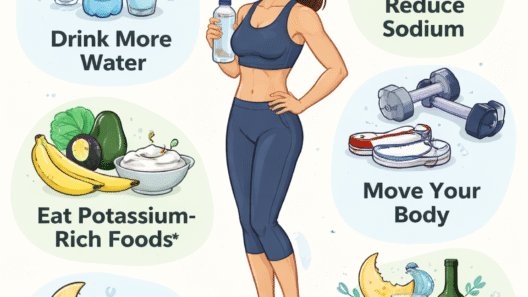
Drinking more water is one of the simplest and safest ways to reduce water retention. When the body senses dehydration, it holds onto fluid as a protective response (Harvard Health). Proper hydration signals the kidneys to flush excess sodium and stored water.
Sip water steadily throughout the day rather than drinking large amounts at once. This gentle approach supports water weight loss without stressing the body (CDC).
Lower Sodium Intake to Reduce Bloating
High sodium is one of the most common reasons people experience bloating and water weight. Salt causes the body to retain fluid in order to maintain electrolyte balance (American Heart Association).
Cutting back on processed foods, packaged snacks, restaurant meals, and sauces for even a short period can noticeably reduce puffiness. Choosing fresh, whole foods allows the body to rebalance fluids naturally.
Balance Carbohydrates Instead of Eliminating Them
Carbohydrates are stored in the body as glycogen, and glycogen binds water. This means carb-heavy meals can temporarily increase water weight (National Institutes of Health).
Rather than cutting carbs entirely, focus on reducing refined carbohydrates and choosing whole sources like vegetables, fruits, and whole grains. This approach helps lose water weight quickly while keeping energy levels stable.
Move Gently to Release Stored Fluid
Light physical activity helps move excess fluid from tissues back into circulation so it can be eliminated (Verywell Health). Walking, stretching, yoga, or light cardio can significantly reduce swelling and tightness.
Sweating also helps remove excess sodium, but hydration should always be maintained to avoid rebound water retention later.
Increase Potassium Through Food
Potassium helps balance sodium and supports proper fluid regulation (NIH). Low potassium levels may worsen water retention and bloating.
Foods like bananas, avocados, spinach, beans, and sweet potatoes naturally support water weight loss when eaten regularly.
Sleep and Stress Matter More Than You Think
Poor sleep disrupts hormones that control fluid balance, including cortisol and aldosterone (Sleep Foundation). Chronic stress can also cause the body to hold onto both fat and water (Cleveland Clinic).
Getting enough sleep and managing stress through gentle activities like walking, breathing exercises, or relaxation helps reduce unnecessary fluid retention.
Limit Alcohol and Sugary Drinks
Alcohol initially dehydrates the body but often leads to rebound water retention as the body tries to restore balance (Healthline). Sugary drinks can also increase insulin levels, which encourages sodium retention.
Reducing alcohol and choosing water or unsweetened beverages can help drop water weight within a few days.
Natural Diuretics Can Help—Gently
Certain foods and beverages have mild diuretic effects and may support fluid release. Green tea, coffee in moderation, cucumber, and asparagus can assist without causing dehydration (NIH).
Avoid harsh diuretics or extreme methods, as they can disturb electrolyte balance and worsen water retention over time.
How to Tell If Weight Gain Is Water or Fat
Water weight appears suddenly and fluctuates quickly. Signs include bloating, puffiness in the face, tight rings or shoes, and scale changes within a day or two (Harvard Health).
Fat gain happens gradually and does not fluctuate overnight. Understanding this difference can reduce unnecessary worry and prevent extreme dieting.
When to See a Doctor About Water Retention
While occasional water weight is normal, persistent or severe swelling should not be ignored. You should speak with a healthcare provider if water retention is accompanied by shortness of breath, chest pain, severe leg swelling, or does not improve with lifestyle changes (Mayo Clinic).
Ongoing fluid retention may be linked to heart, kidney, liver, or hormonal conditions, and professional guidance is important in those cases.
A Sample Day to Shed Water Weight
Here’s what a simple, effective day focused on reducing puffiness might look like:
Morning: Start with a large glass of lemon water. For breakfast, have a bowl of plain Greek yogurt with sliced banana and a sprinkle of chia seeds.
Mid-Morning: Snack on a handful of cucumber slices or celery sticks.
Lunch: Enjoy a large salad with grilled chicken, plenty of leafy greens, avocado, and a lemon-tahini dressing (easy on the salt).
Afternoon: Sip on dandelion root tea or plain water. Go for a 20-minute walk.
Dinner: Eat baked salmon with a side of steamed asparagus and a small sweet potato.
Evening: Wind down with a cup of chamomile tea and aim to get to bed early.
Conclusion
Understanding how to drop water weight fast comes down to gentle, supportive habits rather than extreme measures. Staying hydrated, reducing sodium, moving your body, sleeping well, and managing stress can help your body release excess fluid naturally. Water weight is temporary, and with a calm, balanced approach, most people feel lighter and more comfortable within days.
More: Lose 10lbs in 2 months
FAQS
What is the fastest way to drop water weight safely?
How long does water weight usually last?
Can drinking more water really help reduce water retention?
Is water weight the same as fat gain?
Disclaimer
Important Medical Disclaimer
The information provided on this website is for educational and informational purposes only. It is not intended as a substitute for professional medical advice, diagnosis, or treatment. Always seek the advice of your physician or other qualified health provider with any questions you may have regarding a medical condition. Never disregard professional medical advice or delay in seeking it because of something you have read on this website.
The content, including text, graphics, and images, is designed to support, not replace, the relationship that exists between you and your healthcare provider. Reliance on any information provided by this website is solely at your own risk.
Sources
-
Harvard Health Publishing – https://www.health.harvard.edu
-
Mayo Clinic – https://www.mayoclinic.org
-
Cleveland Clinic – https://my.clevelandclinic.org
-
Johns Hopkins Medicine – https://www.hopkinsmedicine.org
-
National Institutes of Health – https://www.nih.gov
-
CDC – https://www.cdc.gov
-
American Heart Association – https://www.heart.org
-
Sleep Foundation – https://www.sleepfoundation.org
-
Healthline – https://www.healthline.com
-
Verywell Health – https://www.verywellhealth.com

Shawn Lasater is a health content writer, certified editor, and ISSA-certified nutritionist with an M.Sc. in Nutrition from the University of Texas at Austin.
She specializes in writing and editing evidence-based articles on metabolism, nutrition, and lifestyle health, combining scientific accuracy with clear, search-optimized content.
Shawn collaborates with licensed medical professionals to ensure all published content is medically accurate and intended for educational purposes only. She does not provide medical advice or diagnoses.