




Weight Loss Plan for Beginners-Full Guide
Starting a weight loss journey can feel exciting but also a little scary. With so much confusing information online, it’s hard to know what is safe and what really works. You might be asking yourself: “Where do I even begin?” or “Will I be able to stick with it?”
The good news is that you don’t need a perfect or complex plan to see real results. The best plan is one that you can understand and follow consistently. This 7-day beginner’s routine is designed to be your first, safe step. It focuses on building healthy habits through simple movements and better food choices, all while prioritizing your well-being. Remember, the goal is progress, not perfection. Let’s walk through this first week together on your path to a healthier you.
More: Weight Loss Foods
The Two Keys to Healthy Weight Loss
To lose weight in a healthy way that lasts, you need to create a “calorie deficit.” This simply means that your body uses more energy (calories) than you take in from food and drink. Think of it like a budget for your body.
This plan helps you create this deficit in two gentle, sustainable ways:
- Exercise: Moving your body burns calories for energy and helps build lean muscle. Having more muscle helps your body burn more calories, even when you are resting.
- Diet: Eating the right kinds of foods in the right amounts helps you consume fewer calories without feeling hungry or starved. It’s about nourishment, not deprivation.
The most powerful part of this plan is not the seven days themselves, but the healthy habits you will start to build. A study published in the American Journal of Clinical Nutrition has shown that a focus on sustainable habits and adequate protein is far more effective for long-term weight loss than drastic, quick fixes [6].

Part 1: The 7-Day Beginner Exercise Plan
This workout plan is designed to be safe, effective, and something you can do at home. It mixes strength training, cardio, and rest to work your body in a balanced way and prevent injury or burnout.
What You’ll Need:
- A pair of comfortable shoes with good support.
- A water bottle to stay hydrated.
- A mat or towel for floor exercises.
- For strength exercises, you can use light dumbbells (3-5 lbs to start), or simple household items like full water bottles, cans of soup, or milk jugs.
Workout Structure (for Strength Days):
- Warm-up (5 minutes): This prepares your muscles and heart for activity, reducing the risk of injury.
- Workout (20-30 minutes): The main set of exercises.
- Cool-down (5 minutes): This helps your heart rate return to normal and aids muscle recovery.
Day 1: Full Body Strength Introduction
Warm-up (5 minutes):
- March in place for 60 seconds.
- Arm circles (forward and backward) for 30 seconds each way.
- Leg swings (forward and side-to-side) for 30 seconds each leg.
- Torso twists (gentle twists from side to side) for 60 seconds.
Workout (20-25 minutes):
Do each exercise for 30 seconds, followed by 30 seconds of rest. Focus on doing the movement correctly, not quickly. Complete the entire circuit 2-3 times, resting for 60 seconds between circuits
Cool-down (5 minutes):
Hold each stretch for 20-30 seconds. Do not bounce.
Quad Stretch (standing, pulling your heel towards your glute).
Hamstring Stretch (sitting, reaching for your toes).
Chest Stretch (clasping hands behind your back).
Day 2: Low-Impact Cardio
Cardio is great for your heart health and is excellent for burning calories. “Low-impact” means it’s gentle on your joints, making it perfect for beginners.
Activity: Choose one activity and do it for 20-30 minutes.
Brisk walking (outside or on a treadmill)
Slow jogging
Cycling (on a stationary bike or a regular bicycle)
Swimming or water aerobics
Focus: Maintain a “conversational pace.” This means you should be able to talk in short sentences while exercising. If you are too breathless to speak, slow down. The goal is consistency, not intensity.
Day 3: Full Body Strength (Lower Body & Core Focus)
Warm-up (5 minutes): Same as Day 1.
Workout (20-25 minutes):
Use the same 30 seconds on, 30 seconds off format. Complete the circuit 2-3 times.
Reverse Lunges:
How to do it: Stand tall. Step backward with your right leg and lower your hips until both knees are bent at a 90-degree angle. Your front (left) knee should be directly above your ankle, and your back (right) knee should hover just above the ground. Push through your front heel to return to the start. You can alternate legs or do all reps on one side before switching.
Form Tip: Keep your upper body straight and your core engaged to maintain balance.
Plank:
How to do it: Lie on your stomach and prop yourself up on your forearms and toes. Your elbows should be directly under your shoulders. Keep your body in a perfectly straight line from your head to your heels. Engage your core and glutes to prevent your hips from sagging.
Form Tip: If a full plank is too difficult, start on your knees. Holding a correct 20-second plank is better than a shaky 60-second one.
Dumbbell Shoulder Press:
How to do it: Sit on a chair or stand tall with your core tight. Hold the weights at shoulder height with your palms facing forward. Push the weights straight up above your head until your arms are fully extended but not locked. Lower them back down to shoulder height with control.
Form Tip: Don’t arch your back to push the weight up. If you need to, use a chair with back support.
Bird-Dog:
How to do it: Start on your hands and knees in a “tabletop” position. Your hands should be under your shoulders and your knees under your hips. Slowly extend your right arm straight forward and your left leg straight back at the same time. Keep your back flat and your hips level. Hold for a moment, then return to the start and switch sides.
Form Tip: Move slowly. The challenge is in maintaining your balance and keeping your core stable.
Cool-down (5 minutes):
Stretch your quadriceps, hamstrings, shoulders, and triceps.
Day 4: Active Rest
Rest days are not lazy days; they are a crucial part of getting stronger. Your muscles repair and rebuild themselves on these days. “Active” rest means gentle movement to promote blood flow and recovery without stress.
Choose one or two activities for 20-30 minutes total:
- A leisurely walk in your neighborhood.
- A full-body stretching session.
- Light gardening or housework.
- A gentle yoga video for beginners.
Day 5: Full Body Strength (Upper Body & Core Focus)
Warm-up (5 minutes): Same as Day 1.
Workout (25-30 minutes):
Use the same 30 seconds on, 30 seconds off format. Aim for 3 circuits this time as your strength builds.
Incline Push-ups:
How to do it: Place your hands on a sturdy table, countertop, or bench. Walk your feet back until your body is at an angle. Perform a push-up, lowering your chest towards the surface. This is easier than a floor push-up and allows you to build strength safely.
Form Tip: The higher the surface, the easier it is. Start high and you can gradually move to lower surfaces as you get stronger.
Chair Dips:
How to do it: Sit on the edge of a sturdy, non-rolling chair. Place your hands next to your hips, gripping the edge. Slide your bottom off the chair, supporting your weight with your hands and heels. Lower your body by bending your elbows until they are at about a 90-degree angle, then push back up.
Form Tip: Keep your shoulders down and away from your ears. Only lower as far as you can without feeling shoulder pain.
Bodyweight Squats:
How to do it: Repeat from Day 1. Practice makes perfect! Focus on improving your form and feeling the muscles working.
Leg Raises:
How to do it: Lie on your back with your legs straight. Place your hands under your lower back for slight support. Slowly raise your legs towards the ceiling until they are perpendicular to the floor (or as high as you can comfortably go). Even more slowly, lower them back down without letting your heels touch the ground.
Form Tip: Press your lower back into the floor to engage your deep core muscles and protect your spine.
Cool-down (5 minutes):
Stretch your chest, triceps, and abdominal muscles.
Day 6: Fun Cardio
Making cardio enjoyable is the secret to sticking with it long-term. This day is about finding movement that you love.
Activity: Choose one activity and do it for 25-35 minutes.
Dancing to your favorite playlist around the house.
Following a beginner’s dance or aerobics video on YouTube.
Hiking on a gentle, scenic trail.
Playing an active game with your kids or friends.
Day 7: Full Rest
Your body has worked hard this week. Today is for complete recovery. Listen to your body. You might feel like going for a gentle stroll, or you might feel like doing nothing at all. Both are perfectly okay. Trust that this day of rest is making you stronger and preparing you for the week ahead.

Part 2: The 7-Day Beginner Nutrition Guide
What you eat is the foundation of your weight loss journey. You cannot out-exercise a poor diet. This section is not a rigid, one-size-fits-all diet, but a flexible guide to help you make better, more informed choices that fuel your body and support your new activity level.
Key Principles for Healthy Eating:
Focus on Whole Foods: Build your meals around foods that are as close to their natural state as possible—like vegetables, fruits, lean meats, and whole grains. These foods are more filling and nutrient-dense than processed foods.
Prioritize Protein: Protein is essential for building and repairing muscle, especially when you’re exercising. It also helps you feel full and satisfied for longer. According to resources from the Academy of Nutrition and Dietetics, including a source of protein in each meal is a powerful strategy for weight management.
Don’t Fear Healthy Fats: Fats are not the enemy. Healthy fats from sources like avocados, nuts, seeds, and olive oil are crucial for hormone function and help you absorb vitamins. They also add flavor and satiety to your meals.
Control Portions: Even healthy foods have calories. Being mindful of how much you eat is key. Using simple visual guides can help (see below).
Stay Hydrated: Drink water consistently throughout the day. Often, our bodies mistake thirst for hunger. Aim for 8-10 glasses a day, and drink extra on days you exercise.
A Simple Guide to Balanced Portions
You don’t need to count every calorie. Use this simple “handy” portion guide from Precision Nutrition:
- Your Palm = Protein Serving (e.g., chicken, fish, tofu)
- Your Fist = Vegetable Serving (e.g., broccoli, salad, carrots)
- Your Cupped Hand = Carb Serving (e.g., brown rice, quinoa, oats)
- Your Thumb = Fat Serving (e.g., nuts, olive oil, avocado)
Sample Day of Meals (A Flexible Template)
This sample day provides a balanced intake of approximately 1500-1700 calories, which is a good starting point for many beginners looking to lose weight. However, your needs may vary. The most important thing is the pattern of eating.
Breakfast (around 7-8 AM):
Option 1: 2 scrambled eggs with a handful of spinach and one slice of whole-wheat toast with a thin layer of avocado.
Option 2: 1 cup of plain Greek yogurt with a half-cup of mixed berries and a tablespoon of chopped walnuts.
Why it works: This combination of protein and healthy fats provides steady energy and keeps you full, preventing unhealthy mid-morning snacking.
Lunch (around 12-1 PM):
Option 1: A large salad with mixed greens, a palm-sized portion of grilled chicken breast, cherry tomatoes, cucumber, bell peppers, and a light vinaigrette made with olive oil and lemon juice.
Option 2: A whole-wheat wrap with a palm-sized portion of turkey, a tablespoon of hummus, and lots of vegetables like lettuce, spinach, and shredded carrots.
Why it works: This meal is packed with fiber from the vegetables and protein from the meat, which work together to keep you energized and satisfied throughout the afternoon.
Dinner (around 6-7 PM):
Option 1: A palm-sized baked salmon fillet, two fist-sized portions of steamed broccoli and asparagus, and a cupped hand of quinoa.
Option 2: Lean ground turkey sautéed with peppers and onions (use a thumb of olive oil), served with a small baked sweet potato.
Why it works: A balanced meal with protein, complex carbs, and vegetables supports muscle repair overnight and provides lasting energy.
Snacks (1-2 per day):
An apple with a tablespoon of peanut butter.
A small handful of almonds and a piece of fruit.
Carrot and cucumber sticks with a quarter-cup of hummus.
A hard-boiled egg.
Why it works: These snacks prevent you from getting too hungry between meals, which helps you avoid making poor food choices later.
A Note on Calories: Extremely low-calorie diets (often below 1200-1500 calories) can be harmful, slowing down your metabolism and leading to muscle loss and nutrient deficiencies. The goal is to fuel your body for your new active lifestyle, not to starve it. If you are consistently hungry on this plan, try adding an extra serving of vegetables or a bit more protein.

The Right Mindset for Lasting Success
Your mental approach is just as important as the physical plan. Weight loss is a journey with ups and downs.
Be Your Own Best Friend: Pay attention to your self-talk. If you miss a workout or have an off-day with food, don’t berate yourself. Speak to yourself with the same kindness you would offer a friend. Simply acknowledge it and get back on track with your next meal or workout.
Look Beyond the Scale: The number on the scale is just one data point. It can fluctuate daily based on water retention, hormones, and other factors. Pay attention to non-scale victories (NSVs), which are often better indicators of progress:
Your clothes feel looser.
You have more energy throughout the day.
You slept more soundly.
You completed a workout you previously found difficult.
Your mood has improved.
Embrace Consistency Over Perfection: You do not need to be perfect. You need to be consistent. Doing 80% of the plan well is far better than doing 100% perfectly for one week and then burning out. This is a marathon, not a sprint.
Putting It All Together: Your 7-Day Schedule
| Day | Exercise | Mindset & Nutrition Focus |
|---|---|---|
| Day 1 | Full Body Strength | Focus: Eat a protein-rich breakfast to fuel your workout. Mindset: Today is about starting, not being an expert. |
| Day 2 | Low-Impact Cardio | Focus: Drink an extra glass of water before and after your walk. Mindset: Gentle movement is still progress. |
| Day 3 | Full Body Strength | Focus: Prepare your lunch the night before to avoid unhealthy choices. Mindset: I am getting stronger with each rep. |
| Day 4 | Active Rest | Focus: Eat a vegetable with every single meal today. Mindset: Rest is a productive part of my journey. |
| Day 5 | Full Body Strength | Focus: Have a healthy snack, like an apple with peanut butter, about an hour before you exercise. Mindset: I can do one more round than I did on Day 1. |
| Day 6 | Fun Cardio | Focus: Stay hydrated during your longer cardio session. Mindset: Finding joy in movement is a gift to myself. |
| Day 7 | Full Rest | Focus: Reflect on the week—what healthy habit are you most proud of? Mindset: I trusted the process for one full week. I am capable. |
Staying Motivated Beyond Day 7
This 7-day plan is a kickstart. The real goal is to make these habits a permanent part of your life.
- What’s Next? You can repeat this same plan for another week, trying to improve your form or complete an extra repetition in each set. After 2-3 weeks, you might slowly increase the weight you’re using or the time you spend on cardio.
- Find a Buddy: Doing this with a friend or family member can make it more fun and keep you accountable. You can check in with each other daily.
- Track Your Feelings: Instead of just tracking your weight, write down one positive thing you noticed each day—how you felt after a workout, a healthy meal you enjoyed, etc.
Remember, every expert was once a beginner. By focusing on consistent, small changes, you are building a healthier lifestyle that leads to lasting results. You have taken the first and most important step by seeking out a safe and sensible plan. You can do this.
My Personal Weight Loss Journey: From 130kg to a New Life
I want to share my own story with you because I understand the struggle firsthand. This isn’t just theoretical for me; I’ve lived it.
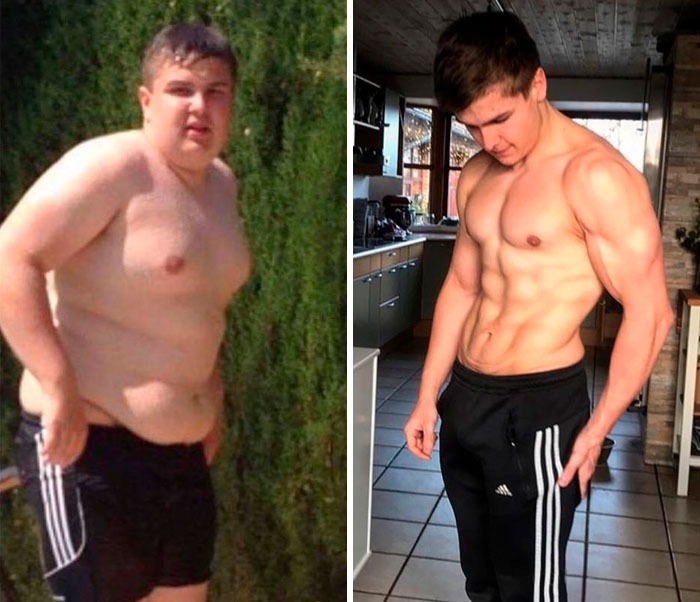
By the age of 22, my weight had reached 130 kg. I wasn’t a bodybuilder or a weightlifter where that mass could be considered muscle; it was pure, unhealthy weight. For an average person, a healthy weight is around 70-80 kg, so I was carrying a significant extra burden.
My life became incredibly difficult. Simple, everyday tasks felt like huge challenges. Things like taking a bath, getting dressed, or even just standing up and sitting down became exhausting chores. The worst part was the health issues that started to pop up because of my weight. I felt trapped in my own body.
I knew I had to make a change, so I started my weight loss journey. The beginning was the hardest phase of my life. It was a constant battle, but I made a promise to myself to continue, no matter what.
After a few months of relentless effort, I got my first big dose of motivation. My mother looked at me and said, “You look thinner than before.” Those words made me feel incredible and gave me the strength to keep going.
I became fully committed. I started using proven supplements, followed a strict but sensible diet, and never skipped my exercises. I was also studying and researching weight loss at the time, so I was able to train myself and understand the science behind it all quite quickly.
However, I soon noticed a big problem when searching online for advice. There are thousands of weight loss results, diets, and workout plans out there. The crucial thing I learned is that no single diet or exercise works the same for everyone. What gives amazing results for one person might do nothing for another.
This realization led me to the solution. I decided to stop following generic plans. Instead, I used my knowledge and research to create my own personalized plan, tailored specifically to my body and my lifestyle. And the results were faster and better than ever before.
In total, over one year, I lost 40-50 kg.
I’m not saying that the plan I will share in this blog is a perfect, one-size-fits-all solution. What I am offering is the very best of what I learned—from my personal experience and my extensive research. My goal is to make things simple and effective for you, based on what truly worked for me.
If I miss anything in this blog, I will do my best to cover it in a future one. My promise to you is to always break down complex topics into simple, actionable steps you can actually follow.
In short: Follow a proper diet, do regular exercises, and get good sleep.
FAQ’S
1. I’m very out of shape. Is this plan safe for me?
Yes, this plan was specifically designed for absolute beginners. The exercises are simple, the intensity is low, and modifications are provided. The most important rule is to listen to your body. If something causes sharp pain (which is different from muscle fatigue), stop immediately. It is always better to do fewer repetitions with correct form than to push too hard and risk injury.
2. How much weight can I realistically lose in a week?
A safe and sustainable rate of weight loss, as recommended by the Centers for Disease Control and Prevention (CDC), is 1 to 2 pounds per week. In your first week, you might lose a bit more due to a reduction in water weight, but 1-2 pounds is a healthy and realistic goal to aim for. Losing weight slowly gives your skin and metabolism time to adjust, making it much more likely that you will keep the weight off.
3. Do I need to go to a gym or buy expensive equipment?
No, you do not. All the strength exercises in this plan can be done at home with your own bodyweight or simple household items. For cardio, walking or jogging outside is free and highly effective. The only “equipment” you truly need is a pair of supportive shoes.
4. I feel hungry on this diet. What should I do?
First, ensure you are drinking enough water throughout the day, as thirst is often confused with hunger. Second, load up on non-starchy vegetables like broccoli, spinach, carrots, and salad greens. They are high in fiber and volume but low in calories, which helps fill you up. Finally, double-check that each of your meals contains a good source of protein (like chicken, eggs, fish, or beans) and a serving of healthy fat (like avocado, nuts, or olive oil), as these are key for satiety.
5. What if I miss a day or have a bad food day?
It’s okay! Life happens. One missed workout or one indulgent meal will not ruin your progress. The biggest mistake you can make is letting one off-day turn into an off-week. Practice self-compassion. Acknowledge it, then simply return to your plan with your very next meal or your next scheduled workout. Consistency over the long term is what creates change.
6. Is it better to do cardio or strength training for weight loss?
Both are important and work together. Strength training builds lean muscle mass. The more muscle you have, the more calories your body burns at rest, boosting your metabolism. Cardio burns more calories during the activity itself and is excellent for heart health. This plan includes both because the combination is the most effective strategy for losing fat and improving overall fitness.
Sources and Further Reading:
- National Academy of Sports Medicine (NASM). “Beginner Workout Tips.”
- Centers for Disease Control and Prevention (CDC). “Losing Weight.” CDC.gov
- Academy of Nutrition and Dietetics. “Healthy Weight Loss.” EatRight.org
- Harvard T.H. Chan School of Public Health. “The Nutrition Source: Healthy Eating Plate.” Harvard.edu
- Nutrisense. “Weight Loss for Beginners: A Comprehensive Guide.” Nutrisense
- PMC/National Institutes of Health. “The Role of Protein in Weight Loss and Maintenance.” PMC article PMC8017325
Author Bio
About the Author
Hi, I’m Harsh — a normal person who enjoys learning about metabolism, weight management, and simple everyday health habits. I’m not a doctor or a certified expert. I read scientific articles, follow trusted medical sources, and study the latest research to understand health topics in a clear and practical way.
I created this blog to break down complex information into simple language so anyone can understand it without confusion. Everything I share comes from my own study, personal observations, and the reliable research I explore every day. My goal is to provide helpful, easy-to-read content that supports better lifestyle choices — not medical advice.
History:
History
This article was created and published on Nov 24, 2025. Future updates will be added as new evidence or guidelines become available.
Current Version
Nov 24, 2025
DISCLAIMER
“This content is for educational purposes only and not medical advice. Please consult a doctor for any personal health concerns.”

ISSA Certified Personal Trainer | Nutrition Specialist (Boston University)
Naithen Matthews is an ISSA-certified personal trainer and a nutrition graduate from Cornell University, with advanced graduate study (MS and PhD level work) in Nutrition & Metabolism focusing on nutrient metabolism, energy balance, chronic disease mechanisms, and obesity.
With over five years of experience in fitness coaching and more than two years of writing in the health and wellness space, Naithen specializes in metabolism, women’s health, weight management, and natural wellness. He is passionate about turning complex science into clear, practical guidance that anyone can understand.
Naithen’s work reflects strong E-E-A-T principles, combining real-world coaching experience with evidence-based nutrition knowledge to help readers make safe, informed, and confident health decisions.