




Metabolism is one of the most talked-about topics in health and fitness, yet it is also one of the most misunderstood. Many people blame metabolism for weight gain, slow fat loss, low energy, or difficulty maintaining a healthy body composition. Others believe a fast metabolism is the secret to staying lean and energetic.
In reality, metabolism is much more than just calorie burning. It affects how your body produces energy, processes nutrients, regulates hormones, and supports vital functions every second of the day. Understanding how metabolism works can help you make better lifestyle decisions and support long-term health naturally.
This pillar guide explains what metabolism is, how metabolic rate works, the difference between fast and slow metabolism, and safe, natural ways to support and improve metabolism.
What Is Metabolism?
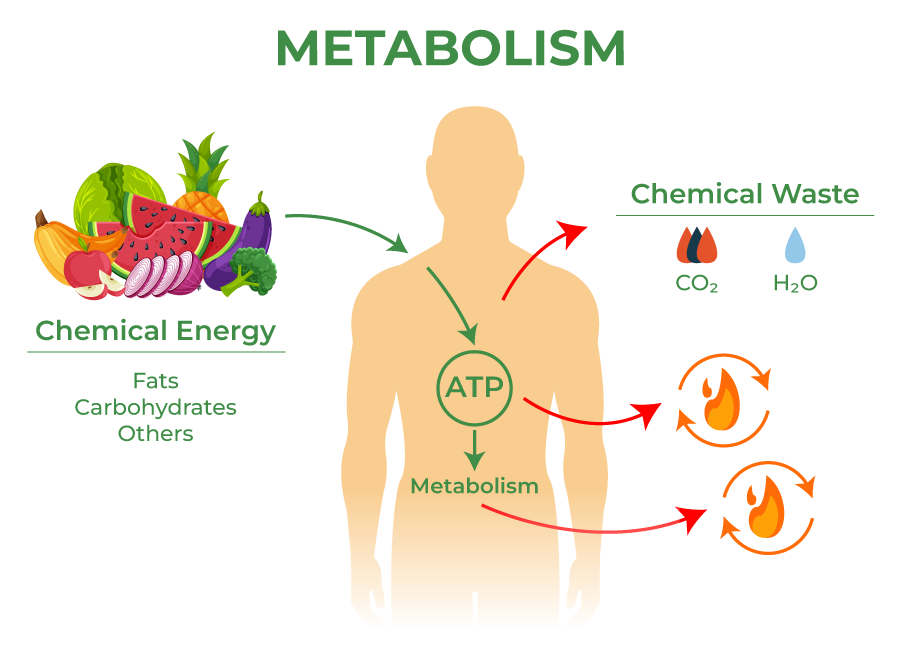
Metabolism is the complex set of chemical processes that the body uses to convert the food and beverages we consume into energy. This energy powers everything the body does, from basic life-sustaining functions like breathing, circulating blood, and maintaining body temperature, to voluntary activities such as walking, exercising, or thinking. Often referred to as energy this system ensures that every cell has the fuel it needs to perform its essential tasks efficiently (NIH).
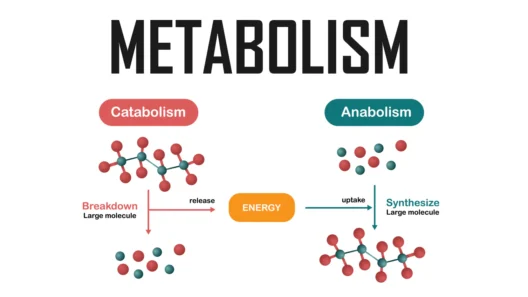
At its core, metabolic function involves two main processes: breaking down nutrients to generate energy and using that energy to build and repair body tissues. Carbohydrates, fats, and proteins are broken down into glucose, fatty acids, and amino acids, which are then transported through the bloodstream to cells. Within the cells, these nutrients undergo chemical reactions that release energy in the form of adenosine triphosphate (ATP), which is the body’s primary energy currency (Harvard Health). Without this conversion, even the simplest cellular activities could not occur.
It is not a fixed process; it continuously adapts based on an individual’s activity level, age, hormonal status, and nutritional intake. For instance, when you are physically active, your energy metabolism increases to supply more fuel to muscles. Conversely, during rest or sleep, the body still consumes energy to maintain vital functions, although at a slower pace (Mayo Clinic). This adaptability is what allows humans to survive and thrive under varying environmental conditions and lifestyle demands.
Understanding metabolic function is essential for overall health, as it affects weight management, energy levels, and even susceptibility to certain diseases. Individuals with a naturally high metabolism may burn calories more efficiently, while those with a slower metabolism may need to adjust their diet and lifestyle to maintain energy balance. Importantly, metabolism is influenced not only by genetics but also by habits such as physical activity, dietary choices, sleep quality, and stress management. Learning how metabolism works can help people make informed decisions about nutrition, exercise, and daily routines to support long-term health and well-being.
How Metabolism Works in the Body
Energy Conversion from Food: After eating, the digestive system breaks down carbohydrates, fats, and proteins into glucose, fatty acids, and amino acids. These nutrients enter the bloodstream and are delivered to cells, where they are converted into adenosine triphosphate (ATP), the body’s primary energy currency. This energy fuels vital processes including muscle contraction, nerve signaling, and hormone production (NIH).
Basal Metabolic Rate (BMR): BMR represents the calories the body burns at rest to sustain essential functions such as breathing, circulation, and cellular repair. It accounts for the majority of daily energy expenditure and is influenced by factors like age, sex, body composition, and genetics. Individuals with higher muscle mass tend to have a higher BMR because muscle tissue requires more energy to maintain than fat tissue (Mayo Clinic).
Thermogenesis: Thermogenesis is the production of heat during food digestion, nutrient absorption, and physical activity. The thermic effect of food is the energy expended specifically to digest and process nutrients, while exercise-induced thermogenesis increases calorie use in muscles and other tissues. Together, these processes complement BMR to determine overall energy expenditure (Harvard Health).
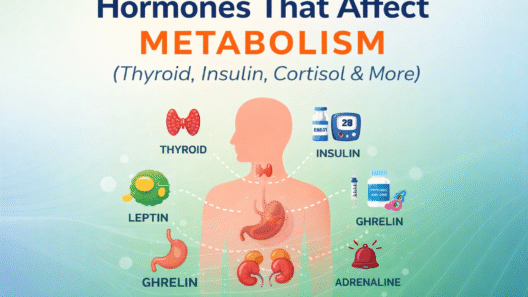
Overall Metabolism Rate: The MR reflects how efficiently the body converts fuel into energy. It is influenced by BMR, thermogenesis, daily activity, and lifestyle factors such as diet quality, sleep, and stress. Hormones, including thyroid hormones, insulin, and cortisol, regulate energy storage and expenditure, ensuring that energy is available when needed and conserved when appropriate (NIH).
Adaptability: It is not static; it adjusts based on environment and lifestyle. Calorie restriction can slow the metabolism rate as the body conserves energy, while regular exercise and adequate protein intake can enhance metabolic efficiency. Understanding these mechanisms helps individuals make informed choices to support energy balance and overall health.
Metabolism Rate Explained
Metabolism rate refers to the speed at which the body converts food into energy to fuel vital processes and daily activities. It determines how many calories are burned during rest, daily movement, and exercise. Understanding It helps explain why some people naturally burn calories faster, while others gain weight more easily despite similar diets and activity levels (NIH).
Components of Energy Use: Total daily energy expenditure is composed of several parts. The largest portion is resting energy expenditure, also known as basal metabolic rate (BMR): the energy required to sustain essential life functions such as breathing, circulating blood, maintaining body temperature, and supporting organ function while at rest. Even without physical activity, the body continuously burns calories to maintain these processes (Mayo Clinic). Energy is also expended during physical activity, which varies with intensity and duration, and through the thermic effect of food, the energy used to digest, absorb, and metabolize nutrients. Together, these components define the body’s total energy requirements (Harvard Health).
Fast vs Slow Metabolism: Individuals with a fast metabolism burn calories more efficiently both at rest and during activity. They often feel hungrier, require more frequent meals, and may maintain a leaner body composition more easily. In contrast, those with a slow metabolism expend energy at a lower rate, meaning fewer calories are burned for the same activities. People with slow metabolism may gain weight more easily or feel fatigued if their diet and activity levels are not aligned with their energy needs (NIH).
Factors Influencing Rate: Several elements affect how quickly the body burns energy. Genetics sets a baseline for individual metabolic efficiency, while muscle mass plays a critical role because lean tissue consumes more energy than fat, even at rest. Hormonal regulation, including thyroid activity, insulin sensitivity, and cortisol levels, influences how efficiently nutrients are converted to energy. Lifestyle factors such as diet quality, exercise habits, sleep patterns, and stress management also have a significant impact on the rate (Harvard Health).
Two Types of Metabolism
That can be broadly categorized into two main types: anabolism and catabolism. These processes work together to manage the body’s energy needs, support growth, and maintain cellular function. Understanding these two types of metabolism helps explain how the body uses and stores energy and why metabolic efficiency varies between individuals (NIH).
Anabolism
Anabolism is the process by which the body builds and stores energy. During anabolic metabolism, small molecules like amino acids, glucose, and fatty acids are combined to form larger, more complex molecules such as proteins, glycogen, and fat. This process is essential for tissue growth, muscle repair, hormone production, and overall cellular function. Anabolism requires energy input, meaning calories from food are stored temporarily to be used later for physical activity, growth, and maintenance (Harvard Health). Individuals with efficient anabolic may experience faster recovery after exercise, better muscle development, and improved tissue repair.
Catabolism
Catabolism is the opposite process, where the body breaks down complex molecules into smaller components to release energy. During catabolic metabolism, proteins, carbohydrates, and fats are converted into glucose, fatty acids, and other molecules that can be used immediately to fuel cellular activity and support vital functions. Catabolism ensures that energy is available when needed, whether for resting functions like breathing or for high-intensity exercise (Mayo Clinic). People with a more active catabolic may burn calories more efficiently, contributing to a naturally higher metabolic rate.
Balance Between Anabolism and Catabolism
Both anabolic and catabolic processes are necessary for overall health. Anabolism supports growth, repair, and nutrient storage, while catabolism ensures a constant supply of energy for daily activities and vital functions. Imbalances between these two types of metabolism can affect weight management, energy levels, and overall metabolic function. For example, excessive catabolism without adequate nutrition can lead to muscle loss, whereas excessive anabolism without energy expenditure may contribute to fat accumulation.
Recognizing the two types —anabolism and catabolism—provides a deeper understanding of how the body converts food into energy, builds tissues, and sustains life. By supporting both processes through balanced nutrition, regular exercise, and healthy lifestyle habits, individuals can optimize metabolic function, energy utilization, and long-term health.
High Metabolism vs Slow Metabolism
Metabolism varies between individuals, resulting in differences in energy utilization. High metabolism refers to a faster-than-average rate of calorie burning, even at rest, while slow metabolism indicates lower energy expenditure for the same activities and basic bodily functions (NIH). Genetics, muscle mass, hormone levels, and lifestyle all contribute to these differences. Understanding these traits allows for more effective health, nutrition, and fitness strategies.
High Metabolism
Individuals with high metabolism often burn calories quickly, experience frequent hunger, and may maintain a leaner body composition without strict dietary control. They generally have higher energy levels, better endurance, and naturally elevated body temperature. Hormonal factors such as optimal thyroid function and balanced cortisol levels typically support these traits (Harvard Health).
Pros:
- Easier maintenance of body weight due to faster calorie burning.
- Higher daily energy levels and improved endurance.
- Greater flexibility in diet, allowing for moderate indulgences without significant weight gain.
Cons:
- May require careful planning to ensure sufficient nutrient intake.
- Rapid calorie burning can lead to nutrient deficiencies if diet is inadequate.
- Extremely fast metabolism may make gaining muscle mass challenging despite training (NIH).
Slow Metabolism
People with slow metabolism burn fewer calories at rest and during activity, which can make weight management more difficult. Common characteristics include reduced energy levels, slower digestion, and a tendency to store more fat even with moderate calorie intake. Hormonal imbalances, such as lower thyroid activity or elevated stress hormones, may further slow energy utilization (Mayo Clinic).
Pros:
- Energy conservation can be advantageous during periods of limited food intake.
- Slower energy use may help sustain calorie stores for prolonged activities.
Cons:
- Greater likelihood of weight gain without careful diet management.
- Reduced stamina and energy levels.
- Requires structured nutrition and consistent physical activity to maintain healthy body composition (Harvard Health).
By recognizing whether one has a high or slow metabolism, individuals can tailor their diet, exercise, and daily habits to support energy balance, maintain a healthy weight, and improve long-term well-being.

High Metabolism vs Fast Metabolism:
Definition: Although often used interchangeably, high metabolism and fast metabolism describe related but distinct concepts of energy utilization in the body. High metabolism refers to the overall efficiency of how the body uses calories to sustain vital functions and daily activities. Fast metabolism, on the other hand, emphasizes the speed at which calories are burned, both at rest and during physical activity. Understanding the difference helps clarify why some individuals maintain a lean physique effortlessly, while others burn calories more rapidly and experience higher energy demands (NIH).
Characteristics of High Metabolism: Individuals with high metabolism efficiently convert nutrients into energy and maintain steady energy levels throughout the day. Their bodies tend to store and use energy effectively, supporting long-term health and weight management. High metabolism is influenced by muscle mass, genetics, hormone balance, and lifestyle habits. It does not necessarily mean extremely rapid calorie burning, but it does result in consistent energy utilization over time (Harvard Health).
Characteristics of Fast Metabolism: Fast metabolism refers to a more accelerated rate of energy expenditure, which can be temporary or extreme. People with fast metabolism burn calories quickly, often feel hungrier, and may require more frequent meals to maintain energy balance. Factors contributing to fast metabolism include higher muscle mass, thyroid hormone activity, and elevated physical activity. Fast metabolism is noticeable because of rapid calorie turnover and visible effects on weight and energy levels (Mayo Clinic).
Read More: Fast Metabolism Guide
Key Differences:
- High metabolism emphasizes long-term efficiency and stable energy use.
- Fast metabolism emphasizes the rate of calorie burning, which can be extreme in some individuals.
- High metabolism may allow for moderate flexibility in diet and activity, whereas fast metabolism often requires careful nutritional planning to meet elevated energy needs.
Overlap and Considerations: Both high and fast metabolism are influenced by genetics, hormones, muscle mass, and lifestyle factors. Someone with high metabolism may also experience fast metabolism under certain conditions, but not everyone with high metabolism burns calories at an extremely rapid rate. Understanding this distinction helps individuals make informed choices about diet, exercise, and lifestyle to optimize energy balance, support muscle mass, and maintain healthy body weight.
Fast Metabolism: Meaning & Effects
Fast metabolism refers to a higher-than-average rate of energy expenditure, where the body converts calories from food into energy more quickly than typical. It is closely related to high metabolism but can vary in intensity. In some cases, individuals may experience extremely fast metabolism, where even at rest, energy is burned rapidly. This naturally influences how the body maintains weight, responds to diet, and manages energy levels throughout the day (NIH).
Benefits of Fast Metabolism
- Efficient calorie burning: Individuals tend to burn more calories at rest and during activity, making it easier to maintain or achieve a lean physique.
- Higher energy levels: Faster energy turnover often leads to greater stamina and alertness, supporting physical performance and daily activity.
- Enhanced nutrient utilization: Promotes quicker digestion and absorption of nutrients, helping the body use food more effectively to support cellular and muscular functions (Harvard Health).
Challenges of Fast Metabolism
- Difficulty gaining weight or muscle: Rapid energy expenditure may make it challenging to increase body mass or build significant muscle without careful nutrition and training.
- Increased nutrient requirements: Faster metabolism can lead to higher caloric and protein needs to prevent fatigue, deficiencies, or loss of lean tissue.
- Frequent hunger and dietary planning: Individuals may feel hungry more often, requiring consistent meal timing and balanced nutrition to meet energy demands (Mayo Clinic).
Real vs Perceived Effects
- Real effects: The physical reality of fast metabolism includes higher energy levels, efficient calorie use, and leaner body composition in many cases. Hormonal balance, thyroid activity, and muscle mass contribute significantly to these outcomes.
- Perceived effects: Some misconceptions suggest that fast metabolism automatically prevents weight gain or guarantees optimal health. While it can make weight management easier, diet, activity, and lifestyle remain critical. Relying solely on fast metabolism without healthy habits may still lead to deficiencies or fatigue (NIH).
What Affects Metabolism (Age, Muscle, Hormones)
Metabolism, or the body’s energy-converting process, is influenced by multiple factors that determine metabolic function and metabolic rate. While genetics set the baseline, lifestyle choices and physiological changes throughout life can significantly modify how efficiently the body burns calories and uses nutrients (NIH).
Genetics
Your genetic makeup plays a key role in determining your baseline metabolism. Some people inherit traits that predispose them to a faster or slower metabolism. Genetic factors influence how efficiently cells convert food into energy, hormone sensitivity, and even appetite regulation. While you cannot change your genes, understanding their influence helps tailor diet and activity strategies to optimize energy balance (Harvard Health).
Age
It naturally changes with age. In general, metabolic rate declines as people get older, partly due to muscle loss and hormonal shifts. Older adults often require fewer calories but may also need more protein and nutrients to maintain muscle mass and metabolic efficiency. Staying active and engaging in resistance training can counteract some of these age-related declines (Mayo Clinic).
Muscle Mass
Muscle tissue is metabolically active, meaning it burns more calories than fat even at rest. Individuals with higher lean body mass have a naturally higher metabolism, which supports energy expenditure and overall metabolic function. Strength training and regular exercise help maintain or increase muscle mass, positively affecting metabolic rate regardless of age (Harvard Health).
Hormonal Factors
Several hormones directly influence metabolism:
- Thyroid hormones regulate how quickly cells burn calories and produce energy. Hyperthyroidism can accelerate metabolism, while hypothyroidism can slow it down.
- Insulin affects how nutrients are stored and used for energy. Insulin resistance can disrupt normal metabolic function.
- Cortisol, the stress hormone, influences energy storage, appetite, and fat distribution. Chronic stress may negatively impact it.
- Sex hormones such as estrogen and testosterone affect muscle mass, fat distribution, and basal metabolic rate (NIH).
Lifestyle Factors
Daily habits significantly shape metabolism. Adequate sleep, regular physical activity, balanced nutrition, and stress management support optimal metabolic function. Conversely, sedentary behavior, poor diet, and chronic stress can slow metabolism, reduce energy expenditure, and affect long-term health (Harvard Health).
Understanding the factors that influence metabolism—including genetics, age, muscle mass, hormones, and lifestyle—empowers individuals to make informed choices. By addressing controllable elements such as exercise, nutrition, and stress, it is possible to optimize metabolic rate and overall metabolic function, supporting energy balance, weight management, and long-term well-being.
More: Weight Loss Foods
Can You Increase Metabolism Naturally?:
While genetic factors play a significant role in determining your baseline metabolic rate, there are safe and effective ways to increase metabolism through lifestyle adjustments. Rather than relying on shortcuts or unverified supplements, evidence-based strategies—sometimes referred to as natural metabolism boosters—can optimize energy utilization and support overall health (NIH).
Exercise: Regular physical activity is one of the most effective ways to enhance metabolic rate. Strength training builds lean muscle mass, which burns more calories at rest compared to fat tissue. Cardiovascular exercise, such as running, swimming, or cycling, increases energy expenditure during activity and improves heart and lung efficiency. Combining resistance and aerobic training creates a synergistic effect, helping to boost sustainably (Harvard Health).
Nutrition: Diet directly affects metabolism. Consuming adequate protein increases the thermic effect of food, meaning more energy is required to digest, absorb, and process nutrients. Balanced meals with complex carbohydrates, healthy fats, and micronutrients also help maintain steady energy levels. Avoiding extreme calorie restriction is important, as very low-calorie diets can reduce metabolic rate and energy expenditure over time. Eating regular, nutrient-rich meals supports metabolic function and helps the body use energy efficiently (Mayo Clinic).
Hydration: Proper water intake supports cellular metabolism and energy production. Even mild dehydration can slow metabolism and impair physical and cognitive performance. Drinking water before meals may also slightly increase calorie burning, further supporting metabolism boosting efforts (NIH).
Sleep: Quality sleep is essential for regulating hormones that affect metabolism, including cortisol, insulin, and thyroid hormones. Insufficient sleep can lead to hormonal imbalances that reduce energy expenditure, increase appetite, and promote weight gain. Maintaining a consistent sleep schedule enhances metabolic efficiency and overall well-being (Harvard Health).
Stress Management: Chronic stress can elevate cortisol levels, which may disrupt energy utilization and fat storage. Incorporating stress-reduction techniques such as meditation, yoga, deep breathing, or mindful activities supports healthy metabolism enhancement and maintains energy balance (Mayo Clinic).
Although genetics influences baseline metabolic rate, individuals can take actionable steps to naturally improve metabolism. A combination of regular exercise, balanced nutrition, proper hydration, adequate sleep, and stress management acts as a powerful metabolism booster, enhancing energy utilization and supporting long-term health. By integrating these strategies, people can optimize metabolic function safely and effectively.
Foods & Lifestyle That Support Metabolism
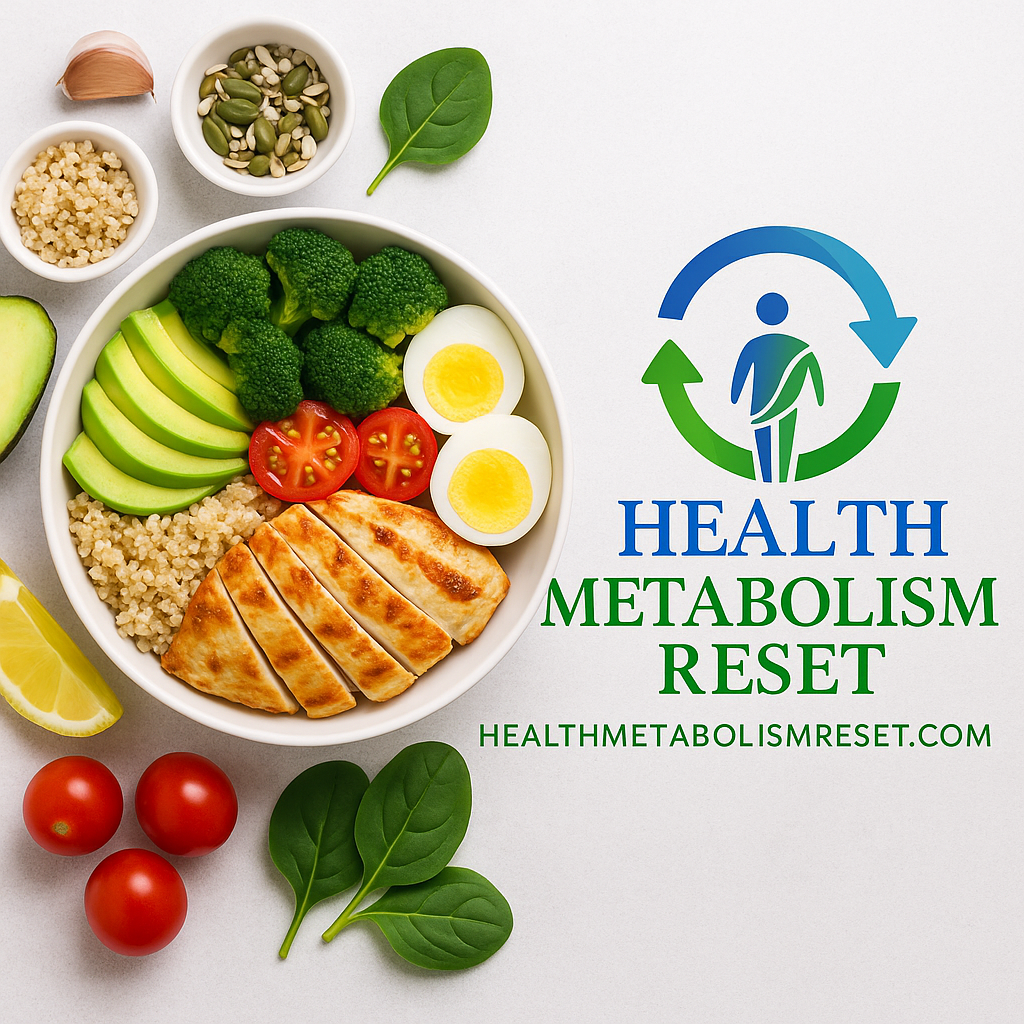
Supporting your metabolism effectively requires a combination of nutritious foods and healthy lifestyle habits. Metabolism Boosting foods are those that help the body convert nutrients into energy efficiently while supporting muscle maintenance, hormone balance, and overall health. Including a variety of nutrient-dense options in your diet ensures that energy metabolism operates optimally (Harvard Health).
| Category | Details & Examples |
|---|---|
| Protein | Protein-rich foods such as lean meats, fish, eggs, dairy, and legumes require more energy to digest, which slightly increases calorie expenditure after meals. They also support muscle preservation, which is vital because muscle tissue burns more calories at rest. |
| Fiber | Fiber-rich foods like whole grains, fruits, vegetables, and legumes improve digestive health and regulate blood sugar levels. They help stabilize energy throughout the day and promote satiety, supporting weight management. |
| Healthy Fats | Foods containing healthy fats, such as avocados, nuts, seeds, and fatty fish, support hormone production. Proper hormone levels are essential for efficient energy metabolism and overall metabolic function. |
| Hydration | Adequate water intake is essential for nearly all metabolic processes, including nutrient transport, chemical reactions, and temperature regulation. Even mild dehydration can reduce metabolic efficiency. |
| Physical Activity | Regular exercise, including resistance training and cardio, increases total daily energy expenditure, promotes muscle growth, and improves circulation. Active individuals naturally maintain a higher metabolism rate. |
| Sleep & Stress Management | Quality sleep and stress control help regulate hormones like cortisol, which directly affect energy metabolism. Chronic sleep deprivation or stress can slow metabolism and disrupt energy balance. |
| Metabolism-Stimulating Foods | Some foods li,ke green tea, chili peppers, and coffee, may slightly increase calorie burning temporarily. While effects are modest, they complement a nutrient-rich diet and active lifestyle. |
Additionally, some foods that fasten metabolism or foods that stimulate metabolism—such as green tea, chili peppers, and coffee—may offer a mild temporary boost in calorie burning. While these effects are modest, combining them with a nutrient-rich diet and active lifestyle can contribute to overall metabolic health.
Myths About Metabolism:
Metabolism is often misunderstood, leading to widespread myths that can influence diet, exercise, and lifestyle choices. Misconceptions about how fast or slow metabolism works may result in unrealistic expectations or unhealthy behaviors. Understanding the truth behind these myths is crucial for making informed decisions about energy balance, weight management, and overall health (Harvard Health).
Fast Metabolism Myths: A common myth is that individuals with a naturally high metabolic rate can eat unlimited amounts of food without gaining weight. While fast metabolism can help burn calories more efficiently, it does not negate the importance of balanced nutrition and physical activity. Another misconception is that fast metabolism automatically guarantees excellent health or high energy at all times. (NIH).
Slow Metabolism Misconceptions: Many people believe that a slow metabolism makes weight gain inevitable or that it cannot be changed. In reality, lifestyle factors such as diet, strength training, and physical activity significantly influence metabolic function. Slow metabolism does not indicate a “broken” body; rather, it requires tailored approaches to optimize energy utilization and support healthy weight management (Mayo Clinic).
Supplements and “Quick Fixes”: Another common myth is that supplements or “fat-burning” products can dramatically increase metabolism. While some products claim to act as boosters or enhancers, most have minimal scientific backing and can pose health risks if used improperly. Evidence-based lifestyle changes remain the most reliable and safe way to support metabolic function (Harvard Health).
Calorie Burning Misconceptions: Many people overestimate the role of metabolism in calorie burning. Metabolic rate contributes to energy expenditure, but total calories burned also depend on activity levels, the thermic effect of food, and lifestyle habits. Believing that metabolism alone determines weight can lead to poor nutrition and exercise practices.
Separating fact from fiction in metabolic health is essential. By understanding myths, including misconceptions about fast and slow metabolism, supplements, and calorie burning, individuals can make informed choices that promote safe, sustainable energy balance and overall well-being.
FAQ’s
What is metabolism
Metabolism is the body’s process of converting food and nutrients into energy to fuel all life-sustaining and physical activities. It includes both anabolic (building and storing energy) and catabolic (breaking down nutrients for energy) processes. Understanding metabolism helps in managing weight, energy levels, and overall health (NIH).
Are supplements effective for boosting metabolism?
Most supplements marketed as metabolism boosters or enhancers have limited scientific evidence and may carry health risks. Sustainable metabolism improvement relies on lifestyle factors like exercise, nutrition, hydration, and sleep rather than relying on pills or powders (Harvard Health).
How do hormones affect metabolism?
Yes, even if genetics contribute to a slower metabolism, lifestyle modifications like building muscle, improving diet, staying active, managing stress, and sleeping well can enhance metabolic function and energy expenditure (NIH).
Can metabolism change over time?
Yes, metabolic activity can change throughout life due to factors such as age, muscle mass, hormonal shifts, and activity levels. As people age, lean muscle tends to decrease, which can reduce daily energy use if not addressed through strength training. Lifestyle choices such as diet quality, sleep patterns, and stress management also influence how efficiently the body converts food into usable energy. These changes are gradual and often manageable with healthy habits.
Can strength training improve metabolic rate
Yes, resistance training helps increase or preserve lean muscle mass, which raises resting energy needs. Muscle tissue requires more energy to maintain than fat tissue, even at rest. Over time, consistent strength training can modestly improve daily calorie expenditure. This effect supports long-term metabolic health rather than short-term changes.
Medical Disclaimer
The information provided on this website is intended for general informational and educational purposes only. It is not intended to replace professional medical advice, diagnosis, or treatment.
All content related to metabolism, nutrition, fitness, and health is based on publicly available research, clinical guidelines, and expert sources. However, individual health needs and conditions vary. What works for one person may not be appropriate for another.
Always consult a qualified healthcare professional, physician, or registered dietitian before making any changes to your diet, exercise routine, lifestyle, or health-related decisions. Do not disregard or delay seeking professional medical advice because of information you have read on this website.
This website does not provide medical diagnosis, treatment plans, or personalized medical advice. If you experience symptoms, health concerns, or medical conditions, seek immediate guidance from a licensed medical professional.
By using this website, you acknowledge and agree that the website and its authors are not responsible for any health outcomes resulting from the use or misuse of the information provided.
Sources
- Cleveland Clinic – Metabolism Overview: https://my.clevelandclinic.org/health/body/21893-metabolism
- Mayo Clinic – Metabolism & Weight Loss: https://www.mayoclinic.org/health/metabolism/WT00006
- Harvard Health – Can You Increase Your Metabolism?: https://www.health.harvard.edu/nutrition/can-you-increase-your-metabolism
- Healthline – 10 Ways to Boost Metabolism: https://www.healthline.com/nutrition/10-ways-to-boost-metabolism/
- PubMed – Thyroid Hormone & Basal Metabolic Rate: https://pubmed.ncbi.nlm.nih.gov/18279014/
- PubMed – Thyroid Hormone Signaling & Energy Homeostasis: https://pubmed.ncbi.nlm.nih.gov/24697152/
- NCBI Bookshelf – Physiology of Metabolism: https://www.ncbi.nlm.nih.gov/books/NBK546690/
- Healthline – Best Foods to Boost Metabolism: https://www.healthline.com/nutrition/metabolism-boosting-foods
- Medical News Today – Foods That Boost Metabolic Rate: https://www.medicalnewstoday.com/articles/325237
- Apollo247 – Metabolism Boosting Foods Guide: https://www.apollo247.com/health-topics/weight-loss-non-surgical/metabolism-booting-foods
- ScientificOrigin – Foods That Boost Metabolic Rate: https://scientificorigin.com/15-best-foods-for-boosting-metabolic-rate
- Verywell Health – Best Time to Drink Green Tea for Metabolism: https://www.verywellhealth.com/best-time-to-drink-green-tea-11858974
- Verywell Health – How to Boost Metabolism Naturally: https://www.verywellhealth.com/how-to-boost-metabolism-7501652
- Health.com – Spices That May Boost Metabolic Health: https://www.health.com/spices-to-boost-your-metabolism-naturally-11742545
- Health.com – Lifestyle Tips to Increase Metabolism: https://www.health.com/how-to-increase-your-metabolism-11719474
- PubMed – Nutritional Impact on Thyroid Hormone & Energy Metabolism: https://pubmed.ncbi.nlm.nih.gov/2669870/
- Better Health Channel – Factors Affecting BMR: https://www.betterhealth.vic.gov.au/health/conditionsandtreatments/metabolism
- Cleveland Clinic – Hypermetabolism: https://my.clevelandclinic.org/health/diseases/hypermetabolism

Robert Harisson
ISSA Certified Personal Trainer | Nutrition Specialist (Cornell University)
Robert Harrison is an ISSA-certified personal trainer and a nutrition graduate from Cornell University. With over five years of fitness coaching and two years of health-blog writing, he specializes in metabolism, women’s health, weight management, and natural wellness. Robert creates simple, science-backed content that helps readers make safe and informed decisions. His work reflects strong E-E-A-T principles, combining real-world coaching experience with evidence-based nutrition knowledge.