




If you’re searching for effective exercises to lose belly fat, you’ve likely encountered countless promises of quick fixes and spot-reduction myths. I remember scrolling through social media, feeling frustrated by all the “5-minute ab workout” claims while my own progress seemed stagnant despite doing hundreds of crunches daily. The truth about abdominal fat is more nuanced, but far more empowering. While no single movement can magically melt fat from just your midsection—spot reduction has been consistently disproven in exercise science (Vispute et al., 2011)—a strategic combination of exercises can create the metabolic conditions that help you lower your overall body fat percentage, build metabolism-boosting muscle, and reveal a stronger, more defined core. This comprehensive guide cuts through the noise to show you the most effective weight loss exercises that truly support your goal of losing abdominal fat, with specific considerations for belly fat exercises for women, backed by scientific research and practical experience.
Reducing belly fat is one of the most common fitness goals, yet many people struggle because the abdomen is where the body tends to store excess fat. While no exercise can magically melt fat from a specific spot, science shows that a mix of cardio, strength training, and core-focused movements can significantly reduce abdominal fat (Harvard Health). In this detailed guide, we break down the best exercises to lose belly fat, how they work, and what makes them effective. Whether you’re a beginner or searching for targeted exercises for women, this guide gives you a complete strategy.
More: Weight Management in Diabetes
Why Belly Fat Accumulates & Why It’s Hard to Lose
Belly fat consists of two layers—subcutaneous fat beneath the skin and visceral fat wrapped around internal organs. Visceral fat is more dangerous and is linked to heart disease, diabetes, and inflammation (CDC). This deeper fat is hormonally active, and factors like stress, sleep deprivation, and insulin resistance make it harder to lose (Cleveland Clinic).
However, research shows that a combination of weight loss exercises, a calorie-controlled diet, and consistent movement can reduce belly flush efficiently (Mayo Clinic). This is why it’s essential to follow a routine with proven exercises to lose belly fat instead of random workouts
Lifestyle Factors That Accelerate Belly Fat Loss
Exercise alone cannot eliminate belly fat without healthy habits. Research consistently shows that sleep quality, stress levels, hydration, and diet play major roles in fat storage (Cleveland Clinic).
The most effective habits include:
- Eating more protein to reduce appetite and boost metabolism (Harvard Health)
- Avoiding sugary beverages
- Drinking 2–3 liters of water a day
- Managing stress through walking, meditation, or yoga
- Getting at least 7 hours of sleep per night
When combined with consistent belly fat exercises, these habits can significantly enhance results.
Best Exercises to Lose Belly Fat
1. Strength Training: Building Your Metabolic Engine
Building and maintaining lean muscle mass represents perhaps the most underutilized strategy for sustainable fat loss. Many women initially hesitate to incorporate substantial strength training, concerned about “bulking up,” but physiological differences mean women typically develop muscle definition rather than significant size increases without targeted training and nutritional strategies. One of my clients, Sarah, a 42-year-old mother of two, initially focused exclusively on cardio but plateaued in her fat loss efforts. After incorporating strength training three times weekly for three months, she was amazed to discover she could eat approximately 200 more calories daily while continuing to lose inches from her waistline—all thanks to the metabolic boost from her increased muscle mass.
Muscle tissue is metabolically demanding, requiring more energy to maintain than adipose (fat) tissue. Each pound of muscle burns approximately 6-10 calories daily at rest, compared to just 2-3 calories for a pound of fat (McArdle et al., 2010). This difference may seem modest initially, but as you accumulate several pounds of lean muscle through consistent training, the cumulative effect on your daily energy expenditure becomes substantial and sustainable.
Compound Movements: The Foundation of Metabolic Training
Compound exercises engage multiple joint systems and large muscle groups simultaneously, creating a significant metabolic demand while building functional strength that translates to daily activities.
Squats & Lunges: These fundamental lower body movements engage the glutes, quadriceps, hamstrings, and—crucially for abdominal development—your entire core stabilization system. The abdominal muscles must engage isometrically to maintain proper spinal alignment throughout the movement, providing constant core activation without direct flexion.
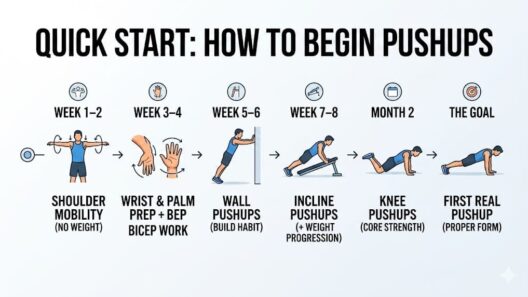
Push-Ups & Rows: Developing upper body strength through pushing and pulling movements creates a balanced physique while contributing significantly to total muscle mass. Many women discover that improved upper body strength enhances their ability to perform daily tasks while contributing to overall metabolic elevation.
Deadlifts (or Modified Hip Thrusts): These posterior chain movements target the glutes, hamstrings, and spinal erectors—muscles essential for posture, athletic performance, and metabolic health. The core stabilization required during these lifts provides exceptional indirect abdominal training while building calorie-consuming muscle mass.
2. High-Intensity Interval Training (HIIT): Maximizing the Afterburn Effect
High-Intensity Interval Training alternates between brief periods of near-maximal effort and active recovery phases. Its exceptional efficiency for fat loss, particularly abdominal fat reduction, has been substantiated by numerous research studies examining its effects on visceral adipose tissue (Maillard et al., 2018). I distinctly remember my first true HIIT session—after just 15 minutes of alternating sprinting and walking intervals, I was completely exhausted yet simultaneously energized for hours afterward, experiencing what I later learned was the pronounced metabolic effect of this training modality.
The Physiological Mechanism: Understanding EPOC
HIIT creates what exercise scientists term “excess post-exercise oxygen consumption” (EPOC)—sometimes called the “afterburn” effect. Following intense exercise, your body works to restore various systems to homeostasis: replenishing oxygen stores, clearing metabolic byproducts, reducing core temperature, and returning hormones to baseline levels. This recovery process requires additional energy, meaning you continue burning extra calories for hours after your workout concludes. Research indicates that HIIT can elevate metabolism for 24-48 hours post-exercise, depending on intensity and duration (Boutcher, 2011).
Practical HIIT Implementation: A Sample Circuit
Perform each exercise at maximum sustainable effort for 40 seconds, followed by 20 seconds of active recovery (marching in place or slow stepping). Complete 4-5 rounds with 60 seconds of rest between rounds for a 20-25 minute total session.
- Jump Squats: Explosive lower body movement that elevates heart rate rapidly
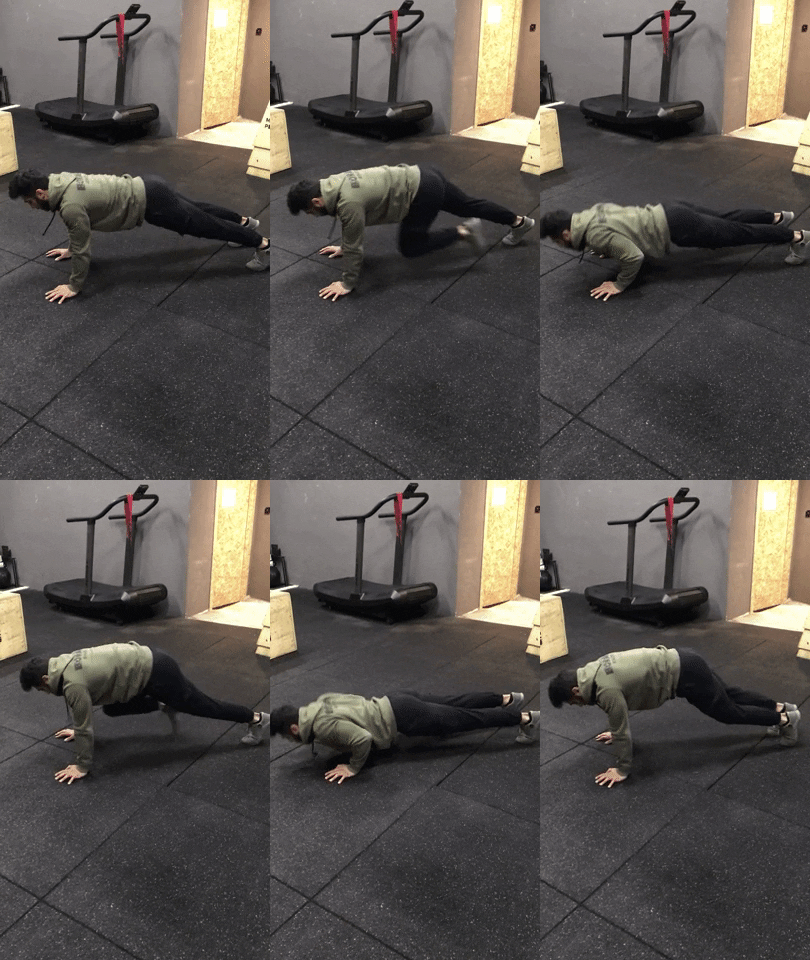
- Mountain Climbers: Dynamic core and cardiovascular challenge
- Burpees: Full-body metabolic demand generator
- High Knees: Athletic movement with cardiovascular emphasis
3. Core Strengthening & Functional Stability Training
While direct abdominal exercises won’t burn the adipose tissue covering your abdominal muscles, they serve the non-negotiable purpose of developing the strong, supportive musculature beneath. A robust core—encompassing not just the superficial “six-pack” muscles but the deeper stabilizing layers—improves posture, reduces injury risk, enhances athletic performance, and makes all other physical activities more efficient and effective. I’ve witnessed numerous clients transform their movement quality and eliminate chronic discomfort simply through consistent core stability work. One particularly memorable client, a 55-year-old office worker with persistent lower back pain, reported complete resolution of her discomfort after just six weeks of regular plank variations and bird-dog exercises, alongside noticeable improvement in her abdominal definition as she continued her comprehensive fitness program.
(Best Exercises to Lose Belly Fat for Faster Results)
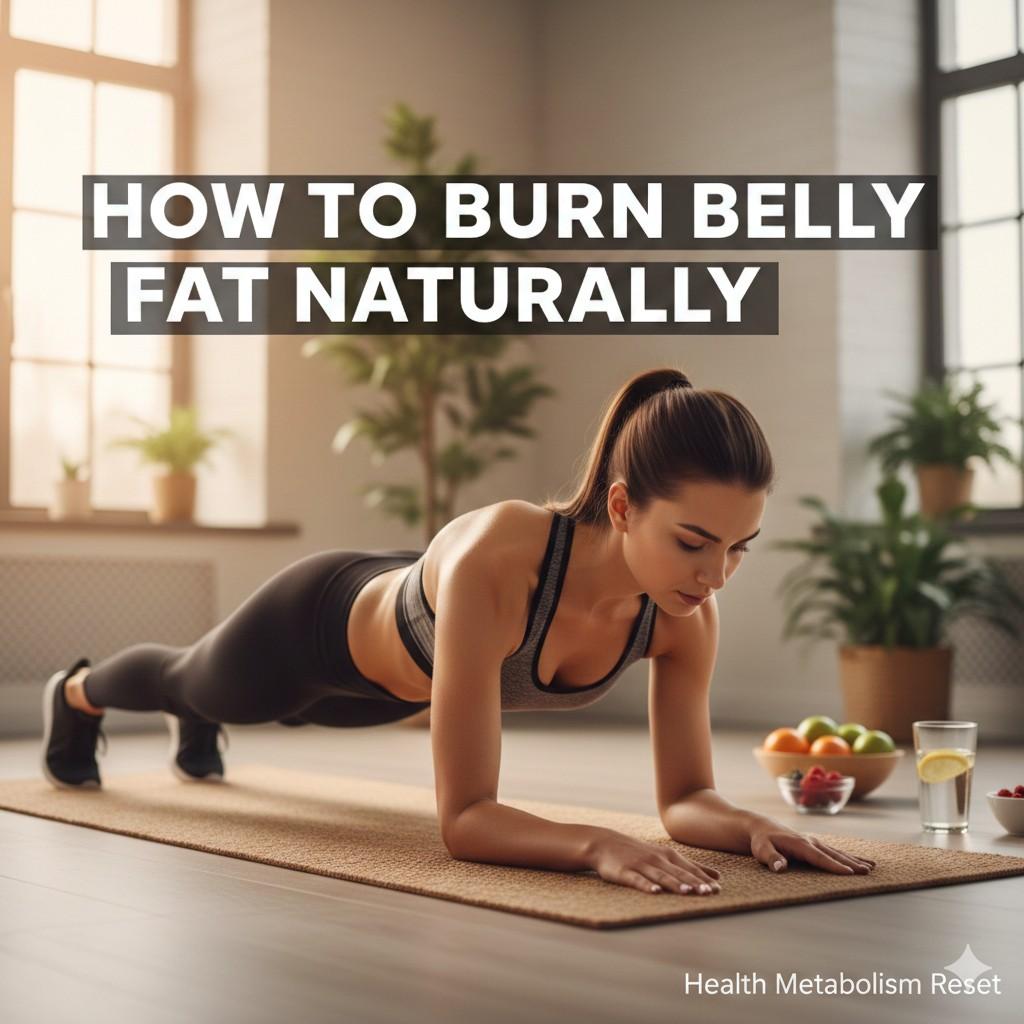
Planks & Anti-Extension Variations: The standard plank and its many progressions (side planks, plank with shoulder taps, plank with leg lifts) build endurance throughout the anterior core by resisting spinal extension—the tendency for the lower back to sag. These isometric holds train the core to stabilize under load, with direct carryover to daily activities like lifting objects or maintaining proper sitting posture.
Bird-Dogs & Anti-Rotation Training: This deceptively challenging exercise develops spinal stability while promoting contralateral limb movement—essentially training your core to resist rotational forces. By extending opposite arms and legs while maintaining a neutral spine, you engage the deep stabilizers critical for spinal health and functional movement.
Dead Bugs & Anti-Flexion Patterns: These movements teach coordinated limb movement while maintaining pelvic and spinal stability. By alternately lowering opposite arms and legs while keeping your back pressed firmly to the floor, you develop the neuromuscular control necessary to prevent excessive spinal flexion during dynamic activities.
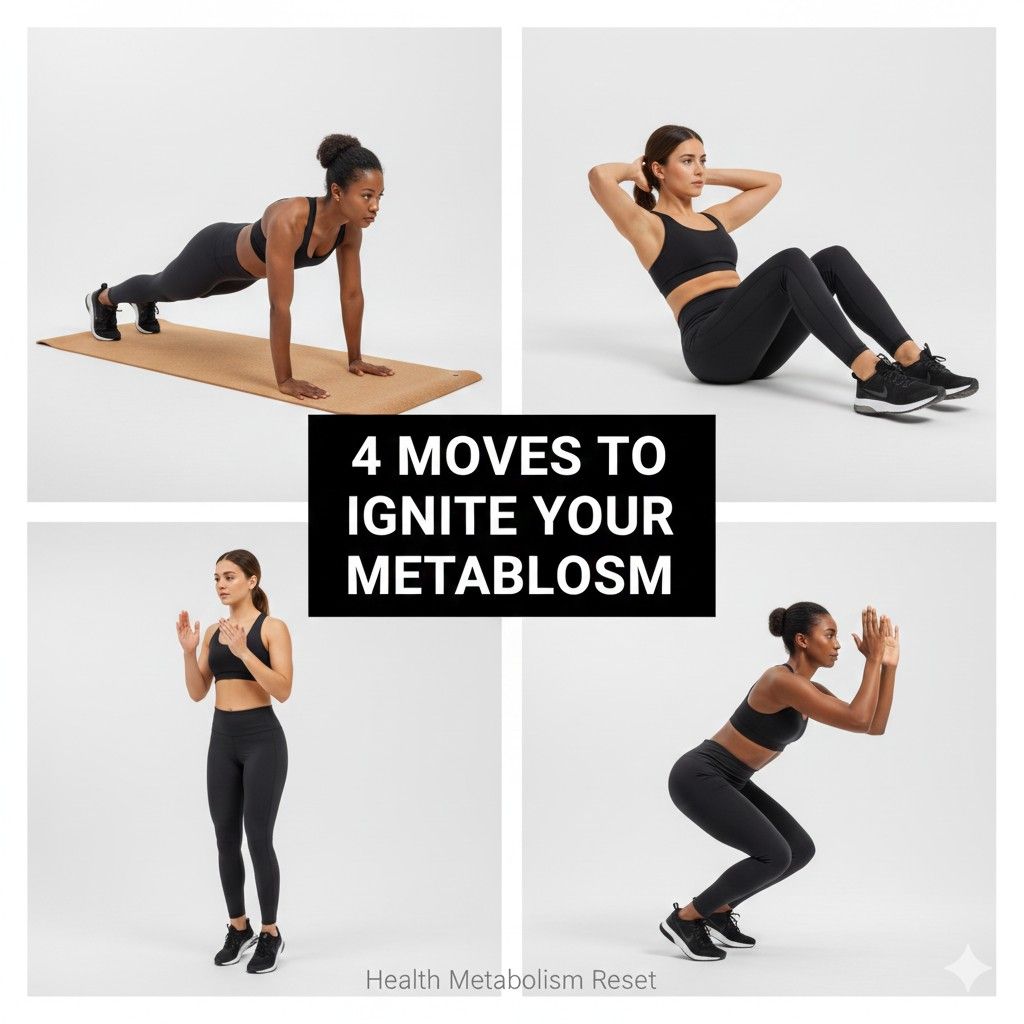
What Exercise Burns the Most Belly Fat for Females?
Multiple studies suggest that HIIT combined with core strengthening is the single most effective approach for reducing belly fat in women (PubMed – HIIT and Females). HIIT boosts calorie burn during and after workouts, while core movements tighten the abdominal muscles.
For females specifically, the most effective fat-burning exercises include:
- Burpees
- Fast high knees
- Plank jacks
- Bicycle crunches
These exercises activate major muscle groups, increase metabolic rate, and help balance hormones that affect fat storage (Women’s Health Research).
(Best Exercises to Lose Belly Fat for Faster Results)
The reason HIIT works exceptionally well for women is that it taps into stored fat more efficiently and improves insulin sensitivity—both essential for reducing abdominal fat (Johns Hopkins Medicine).
Designing Your Weekly Exercise Plan for Optimal Results
This sample weekly structure integrates all three exercise categories strategically, creating balanced programming that promotes fat loss while developing functional strength and preventing overtraining. When I transitioned from sporadic, unstructured workouts to a similar planned approach, I noticed not only better physical results but also psychological benefits—I no longer dreaded my workouts because I knew exactly what to expect each day, and I began to appreciate the variety rather than viewing exercise as monotonous repetition.
- Monday: Full-Body Strength Emphasis – 45 minutes focused on compound movements: Barbell or goblet squats (3 sets of 8-12), push-ups or bench press (3×8-12), bent-over rows (3×8-12), and finished with plank variations (3 holds of 30-60 seconds).
- Tuesday: Metabolic Conditioning – 25-30 minutes of HIIT training using the circuit format described earlier, focusing on maintaining intensity during work intervals while using recovery periods strategically.
- Wednesday: Active Recovery & Mobility – 30-45 minutes of low-intensity movement: walking outdoors or on an incline treadmill, gentle yoga flow focusing on hip and thoracic mobility, or a dedicated foam rolling and stretching session.
- Thursday: Lower Body & Core Focus – 40 minutes emphasizing lower body development and core stability: lunges (3×10-12 per side), hip thrusts (3×12-15), lat pulldowns (3×8-12), followed by bird-dogs (3×10 per side) and dead bugs (3×10 per side).
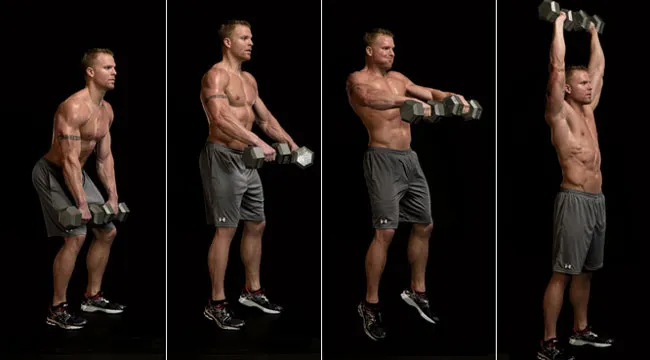
- Friday: Full-Body Circuit Training – 35 minutes using different exercises from Monday: kettlebell swings (3×15), dumbbell overhead press (3×8-12), inverted rows (3×8-12), and finishing with side planks (3×30-45 seconds per side).
- Saturday: Enjoyable Activity or Steady-State Cardio – 45-60 minutes of sustained moderate-intensity activity: hiking in nature, recreational cycling, swimming, or a brisk walk while listening to a podcast or audiobook.
- Sunday: Complete Rest & Recovery – Prioritize sleep, nutrition, hydration, and stress management to allow physiological adaptation to the week’s training stimulus.
Key Principles for Sustainable Success and Lasting Results
Prioritize Consistency Over Occasional Intensity: Three 30-minute focused workouts per week consistently performed over months will yield far superior results to sporadic marathon sessions followed by weeks of inactivity. Exercise adaptation occurs through regular, manageable stimulus that challenges your body without overwhelming its recovery capacity.
Implement Progressive Overload Gradually: As exercises become comfortable, strategically increase the challenge by adding resistance, increasing repetitions, decreasing rest intervals, or progressing to more advanced variations. I once maintained the same 10-pound dumbbells for months, wondering why my progress had stalled—implementing small, regular increases in challenge was transformative for both my strength development and body composition.
Integrate Exercise with Strategic Nutrition: Physical training and nutritional intake represent complementary components of body composition change. Even the most well-designed exercise program cannot overcome a significant caloric surplus if fat loss is the primary goal. Focus on consuming adequate protein to support muscle repair and maintenance, complex carbohydrates to fuel training sessions, and healthy fats for hormonal regulation.
(Best Exercises to Lose Belly Fat for Faster Results)
Practice Intelligent Recovery and Listen to Physiological Signals: Distinguish between productive muscular fatigue that indicates adaptation and joint pain or excessive soreness that suggests potential overtraining. Rest days and recovery periods are when your body actually repairs and strengthens itself in response to training stimulus.
Develop Mindfulness in Movement: Rather than viewing exercise as a punishment for dietary indiscretions or purely as a means to aesthetic ends, cultivate appreciation for what your body can do. Notice improvements in strength, endurance, mobility, and daily function alongside changes in physical appearance.
Remember, the most effective exercises to lose belly fat are ultimately those you find sustainable and engaging enough to incorporate regularly into your lifestyle. By focusing on developing a stronger, more capable body through these evidence-based belly fat exercises, you’ll not only work toward reduced abdominal adiposity but simultaneously build energy resilience, functional strength, and body confidence that extends far beyond any single workout session or measurement. The journey toward improved body composition and health is ongoing—each consistent workout represents an investment in your long-term wellbeing and vitality.
FAQ,s
What are the best exercises to lose belly fat quickly?
The best exercises to lose belly fat include HIIT, planks, bicycle crunches, mountain climbers, and leg raises. These workouts boost calorie burn, strengthen the core, and help reduce both subcutaneous and visceral belly fat when done consistently.
How long does it take to lose belly fat with exercise?
Most people begin noticing changes in 4–8 weeks with consistent workouts and a balanced diet. Combining strength training, cardio, and targeted belly fat exercises helps speed up fat loss and improves core definition over time.
Can women reduce belly fat with simple exercises?
Yes. Women can reduce belly fat using simple exercises like planks, walking, Pilates movements, and low-impact HIIT. These exercises for women are effective, safe for beginners, and help tone the midsection while improving metabolism.
Do I need to do belly exercises every day to see results?
No. Training your core 3–4 times per week is enough. Daily workouts may cause fatigue and reduce performance. A mix of belly fat exercises, strength training, and rest days delivers better results and supports long-term fat loss.
Is HIIT good for burning belly fat fast?
Yes, HIIT is one of the fastest ways to reduce belly fat. It boosts metabolism, increases calorie burn even after the workout, and targets stubborn visceral fat. Adding short HIIT sessions to your routine enhances fat-loss efficiency.
Sources & Further Readings
Boutcher, S. H. (2011). High-intensity intermittent exercise and fat loss. Journal of Obesity. https://doi.org/10.1155/2011/868305
Klein, S., et al. (2007). Waist circumference and cardiometabolic risk. The American Journal of Clinical Nutrition. https://academic.oup.com/ajcn/article/85/5/1197/4633007
Maillard, F., et al. (2018). Effect of high-intensity interval training on total, abdominal and visceral fat mass: A meta-analysis. Sports Medicine. https://link.springer.com/article/10.1007/s40279-017-0807-y
McArdle, W. D., Katch, F. I., & Katch, V. L. (2010). Exercise Physiology: Nutrition, Energy, and Human Performance. Lippincott Williams & Wilkins.
Vispute, S. S., et al. (2011). The effect of abdominal exercise on abdominal fat. Journal of Strength and Conditioning Research. https://journals.lww.com/nsca-jscr/abstract/2011/09000/the_effect_of_abdominal_exercise_on_abdominal_fat.41.aspx
Vissers, D., et al. (2013). The effect of exercise on visceral adipose tissue in overweight adults: a systematic review and meta-analysis. PLoS One. https://journals.plos.org/plosone/article?id=10.1371/journal.pone.0056415
Westcott, W. L. (2012). Resistance training is medicine. Current Sports Medicine Reports. https://journals.lww.com/acsm-csmr/fulltext/2012/07000/resistance_training_is_medicine__effects_of.13.aspx
Harvard Health – https://www.health.harvard.edu
CDC – https://www.cdc.gov
Cleveland Clinic – https://my.clevelandclinic.org
Mayo Clinic – https://www.mayoclinic.org
ACE Fitness – https://www.acefitness.org
Disclaimer
Important Medical Disclaimer
The information provided on this website is for educational and informational purposes only. It is not intended as a substitute for professional medical advice, diagnosis, or treatment. Always seek the advice of your physician or other qualified health provider with any questions you may have regarding a medical condition. Never disregard professional medical advice or delay in seeking it because of something you have read on this website.
The content, including text, graphics, and images, is designed to support, not replace, the relationship that exists between you and your healthcare provider. Reliance on any information provided by this website is solely at your own risk.

Shawn Lasater is a health content writer, certified editor, and ISSA-certified nutritionist with an M.Sc. in Nutrition from the University of Texas at Austin.
She specializes in writing and editing evidence-based articles on metabolism, nutrition, and lifestyle health, combining scientific accuracy with clear, search-optimized content.
Shawn collaborates with licensed medical professionals to ensure all published content is medically accurate and intended for educational purposes only. She does not provide medical advice or diagnoses.