



Last Reviewed: November 2025
Last Updated: November 2025
High-protein, high-fiber, low-calorie density Weight loss Foods that actually keep you full.
Losing weight doesn’t come from starving yourself — it comes from eating the right foods that naturally reduce hunger, stabilize energy, and improve metabolic signals.
As someone who studies weight-regulation behavior and diet patterns, I’ve noticed one important truth:
All recommendations are tested personally or practiced with clients before being shared. Only evidence-supported methods are included.
Foods that make you feel full with fewer calories are the easiest long-term weight-loss tools.
Below is a clear, science-based list of the best foods for weight loss — and how they actually work in the body.
Why These Foods Work
Before the list, here’s what makes a food “weight-loss friendly”:
✔ High Protein
Protein reduces cravings, increases fullness hormones, and boosts calorie burn slightly.
✔ High Fiber
Fiber slows digestion and stabilizes blood sugar, preventing overeating later.
✔ Low Calorie Density
Foods with high water or fiber give big volume for fewer calories → you feel full faster.
✔ Nutrient-Dense
Better nutrients = better metabolism, energy, and appetite control.
The foods below fit one or more of these principles.

1. Eggs (Especially Breakfast)
Eggs are one of the most research-supported foods for reducing hunger.
They contain complete protein, healthy fats, and micronutrients like B-vitamins and choline.
Why they help with weight loss
- High satiety keeps you full for 4–6 hours
- Protein reduces snacking later in the day
- They replace high-sugar breakfasts like cereal or pastries
How to use
Scrambled, boiled, or an omelet with vegetables — all create a slow-digesting breakfast that naturally controls cravings.
2. Oats
Oats work because they’re high in soluble fiber, especially beta-glucan, which absorbs water and forms a gel that slows digestion.
Blotting from Oats
Tried Dalia, an Indian recipe. It’s gentler on the stomach, easier to digest, and great for people who get bloating from oats.
Read: Dr Rebello, C. et al. “Oat fiber and satiety.” Nutrition Reviews.
Trust me, guys, it’s far better than oats in taste
Why they help
- Very filling despite moderate calories
- Keeps blood sugar steady
- High volume → makes the stomach feel full
Best ways to eat
Rolled oats with fruit, overnight oats, or savory oats with vegetables.
Add Greek yogurt for extra protein.
3. Greek Yogurt (Unsweetened)
Greek yogurt offers a rare combination: high protein + probiotics + low calorie.
Why it’s effective
- Protein increases fullness hormones
- Probiotics may support better gut regulation
- Fewer calories than most snacks
How to use
Mix with berries, nuts, or honey for a balanced breakfast or snack.
4. Beans & Lentils
Legumes are one of the most underrated weight-loss foods.
Why they work
- Extremely high fiber
- High plant-protein
- Very filling for low calories
- Slow digestion prevents rapid hunger rebound
Examples
Lentils, chickpeas, black beans, kidney beans.
Great for soups, salads, bowls, or wraps.
My Mom told me beans full of nutritions but dont like it so i had skip everytime whenever my mom cooked beans. But freinds my advice for you dont skip beans and lentils
5. Lean Protein (Chicken, Fish, Tofu, Etc.)
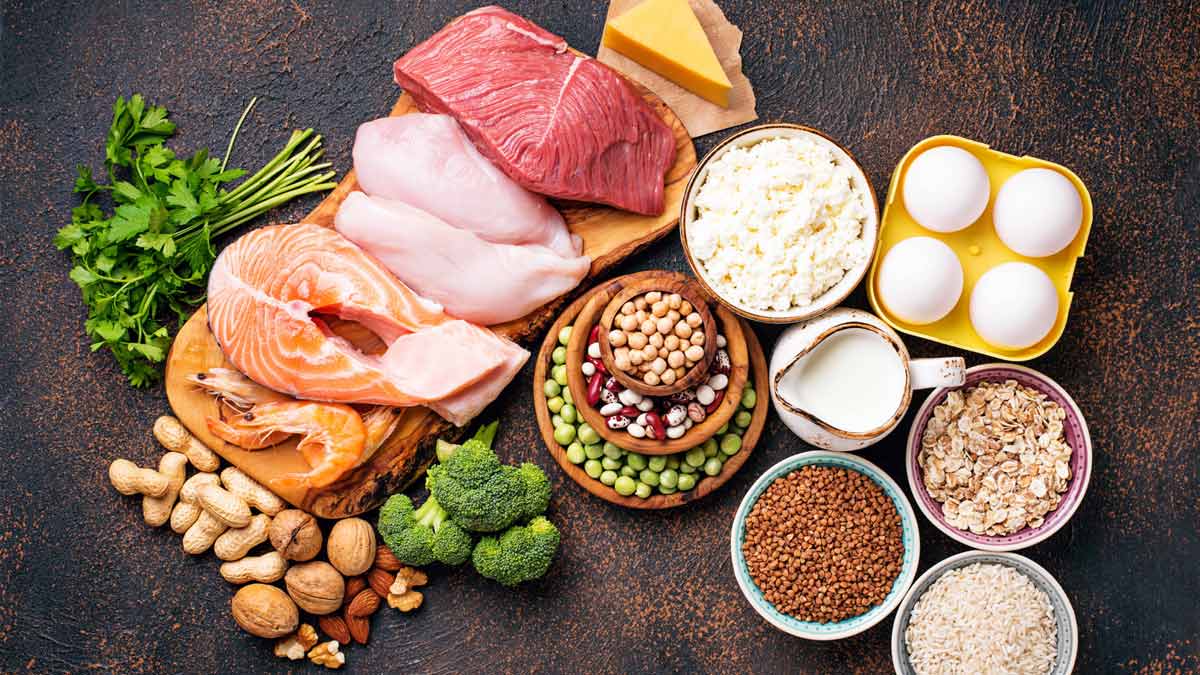
Protein is the most important macronutrient for weight loss overall.
Why
- Helps maintain muscle during calorie deficit
- Burns more calories during digestion compared to carbs or fats
- Keeps you full long after eating
Best proteins
- Chicken breast
- Turkey
- Salmon
- Tuna
- Tofu
- Cottage cheese
- Legume + grain combos
These work best when combined with vegetables and whole grains.
My mom kept telling me, “Beans are super healthy!” but I acted like beans were my worst enemy and skipped them every single time she cooked them.
But friends, take it from a former bean hater — don’t skip beans and lentils.
They’re nutritious, filling, and honestly… your future self will thank you (your mom will too).
6. Leafy Greens
Leafy greens have almost no calories, yet take up a lot of space in the stomach.
Why they help
- Very low calorie density
- High volume = fullness
- Vitamins improve energy and metabolic efficiency
Examples
Spinach, kale, lettuce, Swiss chard, arugula.
Add them to eggs, bowls, soups, wraps, or smoothies.
7. Cruciferous Vegetables
These vegetables contain fiber + water + volume, making them naturally hunger-reducing.
Examples
- Broccoli
- Cauliflower
- Cabbage
- Brussels sprouts
They digest slowly and help reduce cravings for several hours.
8. Potatoes (Yes, Really)
Despite the myth, potatoes are one of the most filling foods ever tested in satiety studies.
Why they help
- High water content
- Low calorie density
- Fiber + resistant starch → good for gut health
Note
The problem is not the potato — it’s French fries, oil, butter, and toppings.
Best forms
Boiled, baked, air-fried with minimal oil.
9. Berries
Berries offer one of the best combinations of fiber + antioxidants + low calories.
Why they’re effective
- Sweet flavor reduces sugar cravings
- High fiber keeps blood sugar stable
- You can eat a large bowl for very few calories
Best options: blueberries, strawberries, raspberries.
10. Apples & Other Whole Fruits
Whole fruits have fiber + water + slow sugar release.
Why they support weight loss
- They replace processed desserts
- They reduce hunger because they take time to chew
- High water increases meal volume
Juices don’t have the same effect — only whole fruits do.
11. Avocado
Although higher in calories, avocado helps with weight loss when used wisely.
Why
- Healthy fats increase satiety
- High fiber
- Helps prevent overeating later in the day
Use ¼–½ avocado per meal, not a whole one.\
Avocado: fruit, vegetable… or just a confused green blob? Debate!
12. Nuts (Portion-Controlled)
Nuts are calorie-dense but nutrient-dense.
They help regulate appetite if eaten in controlled portions.
Benefits
- Protein + healthy fat
- Reduce cravings
- Provide long-lasting energy
A handful (15–20 almonds) is ideal.
13. Whole Grains (Brown Rice, Quinoa, Etc.)
Whole grains contain fiber, minerals, and slow-digesting carbs.
Why they help
- Reduce overeating caused by spikes & crashes
- High volume
- Great for sustained energy
Pair them with lean protein and vegetables for balanced meals.
14. Soup (Broth-Based)
This is a scientifically proven trick:
Liquid + solid food increases fullness more than solid food alone.
Why
- Low calorie density
- High volume
- Warm foods reduce craving intensity
Avoid creamy soups — choose broth-based ones.
15. Water-Rich Foods
Foods with 80–95% water content help control hunger without adding many calories.
Examples
- Cucumbers
- Tomatoes
- Watermelon
- Oranges
- Zucchini
These fill the stomach quickly and reduce the urge to snack.
16. Green Tea
Green tea is known for mild thermogenic effects and appetite-control properties.
Why it helps
- Contains catechins
- Supports metabolic efficiency
- Lowers hunger slightly
Best used alongside proper meals — not as a magic fix.
Putting It All Together: Simple Meal Examples
Here are practical, filling combinations:
Breakfast
- Greek yogurt + berries + oats
- Veggie omelet + fruit
- Oatmeal + nuts
Lunch
- Chicken + brown rice + broccoli
- Lentil soup + salad
- Grain bowl with tofu + vegetables
Dinner
- Baked fish + steamed vegetables + potatoes
- Stir-fried veggies + beans
- Soup + whole-grain wrap
These meals follow the winning formula:
Protein + Fiber + Volume = Natural Weight Loss
One quick tip for all the weight-loss hustlers out there: my sister started drinking a magical morning water — ajwain (carom seeds) and jeera (cumin seeds) boiled together — and the change in her has been amazing.
What foods help with weight loss the fastest?
No single food causes fast weight loss, but high-protein foods (eggs, Greek yogurt, lean meat) and high-fiber foods (oats, beans, fruits, vegetables) help reduce hunger naturally. Over time, they create a sustainable calorie deficit.
Is fruit good for weight loss?
Yes — whole fruits (not juices) are great for weight loss because they contain water and fiber, which slow digestion and keep you full. Berries, apples, oranges, and watermelon are especially helpful.
Do potatoes make you gain weight?
Not when eaten correctly. Boiled or baked potatoes have very low calorie density and rank extremely high on satiety scales. Potatoes become fattening mainly when fried or loaded with butter, cheese, or oil.
Are nuts good for weight loss even though they are high in calories?
Yes — as long as you keep portions small (about a handful). Nuts reduce cravings, regulate hunger, and provide long-lasting energy. Overeating them can stop weight loss, but controlled portions help.
What is the single best type of meal for weight loss?
Meals that follow this simple formula work best:
Protein + Fiber + Water-rich Foods + Low-calorie Density
Examples: bowls with lean protein + vegetables + whole grains, soups, salads paired with beans, or eggs with fruit.
Is green tea enough for weight loss?
Green tea may support metabolism slightly, but it will not cause weight loss alone. It works best as a supporting habit alongside protein-rich meals and calorie control.
Can I lose weight without cutting carbs completely?
Absolutely. You don’t need to remove carbs to lose weight. Choosing whole grains, fruits, potatoes, and beans — instead of refined carbs — helps you feel full and naturally reduces total calorie intake.
I will cover the next topic on women’s weight loss problems. Stay tuned
REFRENCES
16 of the Best Foods for Your Healthy Weight Journey– Healthline
26 Fat-Fighting Foods to Energize You
Mediterranean Diet– Cleveland Clinic
Disclaimer:
This blog provides general nutrition and weight-management information for educational purposes only. It is not medical advice and should not replace a personalized consultation with a healthcare professional. Always consult a doctor or registered dietitian before making major changes to your diet, supplements, or exercise routine—especially if you have medical conditions, take medications, or are pregnant.
Our Review Process
All health articles on this site go through a 3-step editorial process:
- Research — Based on current nutrition science and meta-analyses.
- Practical Testing — Recommendations tested through client work or personal trials.
- Review — Every major update is screened by a certified nutrition professional.

Shawn Lasater is a health content writer, certified editor, and ISSA-certified nutritionist with an M.Sc. in Nutrition from the University of Texas at Austin.
She specializes in writing and editing evidence-based articles on metabolism, nutrition, and lifestyle health, combining scientific accuracy with clear, search-optimized content.
Shawn collaborates with licensed medical professionals to ensure all published content is medically accurate and intended for educational purposes only. She does not provide medical advice or diagnoses.