





When people noticed Symone Sanders looking visibly slimmer, the questions started immediately. What diet did she follow? What was her workout routine? Did she take any supplements?
But the more interesting question — the one that actually matters for anyone trying to do the same thing — is not what she did specifically. It is why stress-related weight loss looks so different from regular weight loss, and what the real process behind a 40-pound transformation actually involves.
The Symone Sanders weight loss story follows a pattern that is remarkably consistent across public figures who go through significant transformations. It is not about a secret diet or an exclusive trainer. It is about fixing the metabolic damage that chronic stress causes — and doing it in the right order.
Why Stress Makes Weight Loss So Much Harder

Before getting into what works for stress related weight loss, it helps to understand exactly what chronic stress does to the body — because this is the part most weight loss content completely ignores.
Public figures like political commentators, journalists, and media personalities live under a level of sustained pressure that most people never experience. Long hours, constant scrutiny, irregular sleep, and almost no time for consistent healthy habits. This creates a very specific metabolic pattern.
Chronic stress elevates cortisol. Elevated cortisol raises blood glucose. Elevated blood glucose triggers insulin. Elevated insulin promotes fat storage — specifically around the abdomen. And the cycle compounds over months.
This is not a willpower problem. It is a hormonal problem. Understanding how hormones affect metabolism is the foundation of fixing it — because cortisol and weight gain are directly linked in ways that make standard calorie restriction approaches far less effective on their own.
Symone Sanders Weight Loss — The Pattern Behind Public Transformations
The Symone Sanders weight loss transformation follows the same pattern seen in most significant public figure weight loss stories. It typically comes after a sustained high-stress period — an election cycle, a major career shift, a demanding role — followed by a deliberate reset.
Not a dramatic overhaul. A reset.
That reset almost always involves the same core elements:
First — removing the biggest sources of metabolic disruption. Chronic sleep deprivation, reliance on processed convenience food during long work days, and the cortisol-driven eating patterns that develop under sustained pressure.
Second — repairing the metabolic damage before aggressively cutting calories. A damaged metabolism responds to extreme restriction by slowing down further. The right sequence is repair first, then deficit. This means understanding your basal metabolic rate and working with it rather than fighting against it.
Third — addressing the hormonal environment driving the weight gain. Because stress related weight loss requires a different approach than weight loss from simple overeating. The cortisol and weight gain connection changes everything about how the body responds to diet and exercise changes.
How to Lose Weight Under Stress — The Diet Approach That Actually Works
There is no secret celebrity diet behind transformations like the Symone Sanders weight loss story. What actually works for stress related weight loss is a set of principles that address the hormonal environment first.
Reduce ultra-processed food — not just for calories, but for inflammation.
Ultra-processed foods drive systemic inflammation which worsens insulin resistance and disrupts cortisol regulation. Replacing them with whole foods — even without dramatically changing total calorie intake — produces measurable improvements in how the body manages glucose and stores fat. Our guide on best weight loss foods covers the specific foods that support this process.
Prioritize protein at every single meal.
Protein stabilizes blood sugar, reduces appetite, and preserves muscle during weight loss. It is the single most consistent dietary element across successful weight loss transformations — celebrity or otherwise. High protein eating is especially important for stress related weight loss because cortisol actively breaks down muscle tissue during chronic stress.
Time carbohydrates strategically.
People dealing with stress related weight gain and elevated cortisol tend to be more carbohydrate sensitive than average. Complex carbohydrates in the evening can actually support cortisol reduction and improve sleep quality — which feeds back into the entire metabolic repair process.
Eat consistently — never skip meals.
Irregular eating is extremely common in high-pressure careers. Skipping meals during busy periods followed by large late-night eating is one of the most metabolically disruptive patterns possible. Consistent meal timing stabilizes blood sugar and reduces the cortisol spikes that come from going too long without food. This is something we cover in detail in our complete weight loss guide.
How to Lose Weight Under Stress — The Exercise Approach
One of the most counterintuitive elements of stress related weight loss is that aggressive exercise can make things worse in the early stages.

Intense exercise is a stressor. For someone already running on chronically elevated cortisol, adding high-intensity training on top of that stress load increases cortisol further — worsening the hormonal environment that is driving the weight gain in the first place.
The approach that consistently works better for how to lose weight under stress is movement over intensity.
Daily walking — 7,000 to 10,000 steps — is the foundation.
It burns real calories without spiking cortisol. It improves insulin sensitivity. It supports sleep quality. And it is sustainable in a way that daily intense training is not for someone managing a demanding schedule. We cover this in our guide on whether running is good for weight loss — and the principle applies here too.
Strength training added progressively — not aggressively.
Even two sessions per week of basic compound movements makes a meaningful difference in body composition over several months. Strength training builds the muscle mass that improves resting metabolic rate and insulin sensitivity — two things that are actively damaged by chronic stress and cortisol and weight gain cycles.
Intense cardio comes later — as a complement, not the foundation.
Once the foundational metabolic repair is underway, higher intensity training can be added. But leading with aggressive cardio when cortisol is already elevated is one of the most common mistakes people make when trying to lose stress-related weight.
Sleep — The Non-Negotiable Element of Stress Related Weight Loss
Poor sleep is one of the most underappreciated drivers of weight gain and one of the most powerful levers in stress related weight loss.
Sleep deprivation disrupts ghrelin and leptin — the hormones that regulate hunger — causing appetite to increase significantly the following day. It directly impairs how sleep affects metabolism — reducing the body’s ability to process glucose efficiently and increasing fat storage even without any change in diet.
Most significant weight loss transformations — including the kind of celebrity weight loss story that generates public attention — involve a period where sleep is actively prioritized and protected above almost everything else.
Seven to nine hours of consistent sleep does more for cortisol and weight gain management than almost any diet or supplement change. It is also the element that makes every other intervention — diet, exercise, stress management — work significantly better.
What About Supplements for Stress Related Weight Loss
Supplements are consistently overrepresented in celebrity weight loss narratives and consistently overrated in terms of their actual contribution.
No supplement produces meaningful results without the foundational elements in place. Sleep, stress management, consistent eating, and regular movement are what move the needle. Supplements support those processes at the margin.
The supplements with genuine evidence for supporting stress related weight loss include:
Magnesium — widely depleted in people under chronic stress, directly involved in cortisol regulation and sleep quality improvement.
Vitamin D — low in most people who work demanding indoor schedules, linked to metabolic function and immune regulation.
Ashwagandha — adaptogenic herb with evidence for reducing cortisol levels and improving the hormonal environment for weight loss in people under chronic stress.
Collagen protein — supports skin elasticity during significant weight loss and provides easily digestible protein for people with appetite disruption from stress.
None of these work without the other elements. But as part of a complete approach to how to lose weight under stress, they provide meaningful support.
5 Best Supplements to Lose Weight
The Mindset Behind Every Significant Stress Related Weight Loss Transformation
The most consistent element behind transformations like the Symone Sanders weight loss story — and behind significant sustainable weight loss generally — is a shift from fighting the body to working with it.
The adversarial approach treats the body as something to be forced into compliance through restriction and intensity. This works temporarily and then fails — especially for stress related weight gain where the body is already in a defensive hormonal state.
The collaborative approach asks: what does my body actually need right now? Better sleep. Less cortisol. More consistent fuel. Less inflammation. More movement. Less intensity, more consistency.
This is the approach behind the 40-pound transformations that last. Not a dramatic intervention. A systematic reset of the conditions that caused the weight gain in the first place.
If you are dealing with weight that accumulated during a high-stress period — a demanding job, a difficult life phase, a sustained period of poor sleep and inconsistent eating — the path is not more aggression toward your body. It is addressing what actually caused the weight gain.
Our weight loss plan for beginners and women’s weight loss guide both cover the practical steps in detail — with the hormonal and metabolic context that most weight loss content leaves out.
Frequently Asked Questions
Q1. What is the Symone Sanders weight loss story about?
The Symone Sanders weight loss transformation is an example of stress related weight loss — the kind that happens when someone coming out of a sustained high-pressure period addresses the hormonal and metabolic damage chronic stress causes. It follows a pattern common to public figures who go through visible transformations after demanding career periods.
Q2. How do you lose weight when stressed?
Stress related weight loss requires addressing the cortisol and weight gain connection directly — not just cutting calories. Prioritizing sleep, reducing inflammation through diet, eating protein consistently, moving daily without excessive intensity, and managing cortisol through lifestyle changes are the core elements of how to lose weight under stress effectively.
Q3. Why does stress cause weight gain?
Chronic stress elevates cortisol which raises blood glucose and triggers insulin-driven fat storage — particularly around the abdomen. It also disrupts sleep hormones, increases appetite, drives cravings for processed food, and reduces motivation for exercise. The cortisol and weight gain cycle is hormonal — which is why willpower-based approaches often fail for stress related weight gain.
Q4. How long does stress related weight loss take?
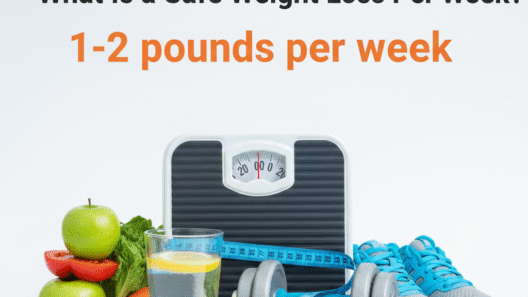
At a safe rate of 1 to 2 pounds per week, losing 40 pounds takes 5 to 10 months. For stress related weight loss specifically, the first 4 to 6 weeks typically focus on metabolic repair — improving sleep, reducing cortisol, stabilizing eating patterns — before significant fat loss begins consistently.
Q5. What exercise is best for stress related weight loss?
Daily walking of 7,000 to 10,000 steps combined with two to three strength training sessions per week. Aggressive high-intensity training worsens cortisol levels in people already under chronic stress. The approach for how to lose weight under stress is movement first, intensity later.
Q6. Do supplements help with stress related weight loss?
Magnesium, vitamin D, and ashwagandha have evidence for supporting cortisol regulation and metabolic repair during stress related weight loss. They work as supportive tools alongside sleep, diet, and movement — not as replacements. No supplement produces meaningful results without the foundational lifestyle elements in place.
Q7. Is celebrity weight loss different from regular weight loss?
The principles are identical. What differs is access to resources — nutritionists, trainers, better sleep environments. The biology is the same. Stress related weight loss in public figures follows the same hormonal and metabolic pattern as anyone dealing with chronic stress weight gain. The approach that works is also the same.
Disclaimer:
This article is for educational and informational purposes only and does not constitute medical advice. Always consult a qualified healthcare professional before making significant changes to your diet, exercise routine, or supplement regimen.
Sources
- Epel, E.S. et al. (2000) — Stress and body fat distribution — cortisol and abdominal obesity. Psychosomatic Medicine. https://doi.org/10.1097/00006842-200001000-00019
- Spiegel, K. et al. (2004) — Sleep deprivation effects on leptin and ghrelin — hunger hormones. PLOS Medicine. https://doi.org/10.1371/journal.pmed.0010062
- Leproult, R. & Van Cauter, E. (2010) — Sleep loss increases cortisol levels and metabolic disruption. JAMA. https://doi.org/10.1001/jama.2010.201
- Chandrasekhar, K. et al. (2012) — Ashwagandha reduces cortisol and stress in adults. Indian Journal of Psychological Medicine. https://doi.org/10.4103/0253-7176.106022
- Paddon-Jones, D. et al. (2008) — Protein and muscle preservation during weight loss and stress. American Journal of Clinical Nutrition. https://doi.org/10.1093/ajcn/87.5.1558S
- Holick, M.F. (2007) — Vitamin D deficiency and metabolic health. New England Journal of Medicine. https://doi.org/10.1056/NEJMra070553

ISSA Certified Personal Trainer | Nutrition Specialist (Boston University)
Naithen Matthews is an ISSA-certified personal trainer and a nutrition graduate from Cornell University, with advanced graduate study (MS and PhD level work) in Nutrition & Metabolism focusing on nutrient metabolism, energy balance, chronic disease mechanisms, and obesity.
With over five years of experience in fitness coaching and more than two years of writing in the health and wellness space, Naithen specializes in metabolism, women’s health, weight management, and natural wellness. He is passionate about turning complex science into clear, practical guidance that anyone can understand.
Naithen’s work reflects strong E-E-A-T principles, combining real-world coaching experience with evidence-based nutrition knowledge to help readers make safe, informed, and confident health decisions.

This story is such a great reminder that weight loss isn’t just about diet or exercise. Stress and mental well-being really impact our health, and it’s refreshing to see that connection highlighted in a real-life example.